
Plants
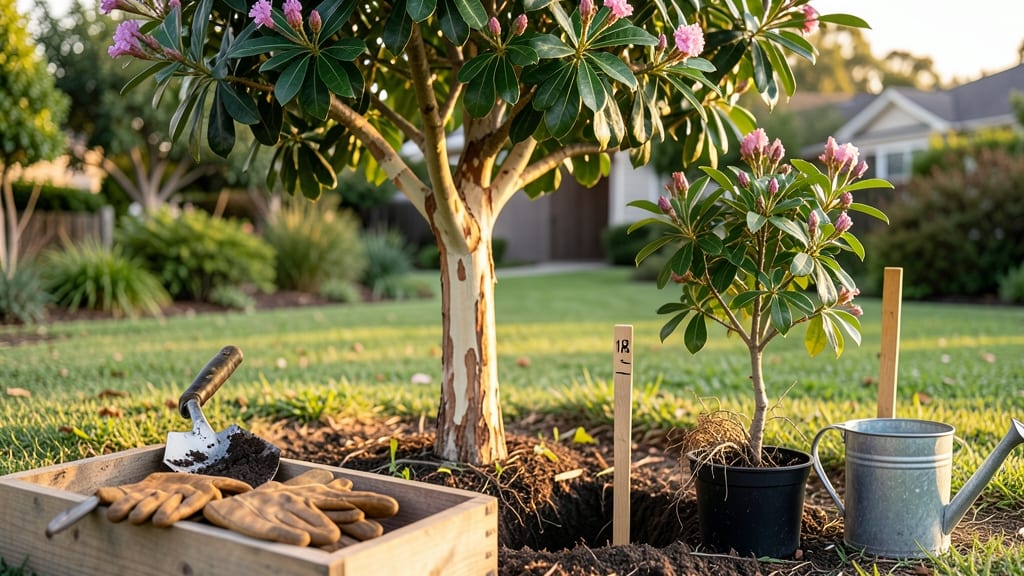
Planting your 🌸 crepe myrtle in Florida at the wrong time could mean struggling with weak roots or frost damage—but getting the timing right unlocks vibrant blooms and decades of effortless beauty.
Unlike many plants, crepe myrtles thrive when planted outside Florida's frost windows, so knowing the best months makes all the difference for long-term success.
Most Florida gardeners wait until late winter or spring to plant, but your exact timing depends on where you live in the state.
In North Florida (Zone 8a), you’ll want to avoid planting before mid-February to dodge late frosts, while Central and South Florida (Zones 9-11) can plant year-round with minimal risk. The key is giving your tree’s roots time to establish before summer’s intense heat kicks in.
Whether you’re planting a bare-root seedling or a container-grown tree, the right timing also affects how quickly your crepe myrtle adapts.
I’ll show you how to read soil conditions, choose the best window for your zone, and even adjust for container planting—so you can skip the guesswork and enjoy stronger growth from day one.
Ready to plant with confidence? Let’s break down the exact months that work best for your Florida location, plus pro tips to keep your crepe myrtle thriving for years to come.
Best months to plant crepe myrtle in Florida (with frost risk zones)
Florida’s diverse climate zones mean crepe myrtle planting windows vary dramatically from Panhandle frost zones to Miami’s frost-free paradise. In North Florida (Zones 8a-9a), timing is critical to avoid late-winter frosts that can kill young roots.
Meanwhile, Central and South Florida (Zones 9b-11) offer year-round planting flexibility—but even here, summer heat stress requires strategic scheduling.
Crepe myrtles thrive when planted during cooler months when soil temperatures stay between 60°F and 75°F. This ideal range promotes rapid root establishment before summer’s brutal heat or winter’s occasional frost.
My experience shows that spring and fall are the gold standard for Florida gardeners, but let’s break it down by zone for precision.
Here’s the exact window for each Florida region, including frost risk dates and root growth optimization tips tailored to your location:
| Florida Zone | Last Frost Date | Best Planting Months | Avoid Planting | Root Growth Tip |
|---|---|---|---|---|
| North (8a-9a) | January 15 | February-March | December-April (frost risk) | Mulch heavily to insulate roots |
| Central (9b-10a) | January 1 (rare) | March-April or September-October | June-August (peak heat) | Water deeply 2x/week after planting |
| South (10b-11) | None | Year-round (best: March-May) | None (but avoid summer heatwaves) | Use shade cloth for young plants |
*Frost risk decreases moving south; Zone 11 has no frost history.
In North Florida’s frost-prone zones, I’ve seen crepe myrtles planted in late March thrive while those planted in January often suffer from root freeze damage. The 60-day window between your last frost date and summer’s arrival gives roots time to establish before 90°F+ temperatures stress young plants.
For Central Florida gardeners, the September-October window offers a second planting opportunity before winter’s mild chill. This fall planting gives roots a head start before summer’s return, while spring planting aligns with natural rainfall patterns that reduce irrigation needs.
South Florida’s frost-free advantage lets you plant crepe myrtles year-round, but I still recommend March-May for optimal growth. During summer’s 95°F+ heatwaves, young plants struggle to establish roots. Even drought-tolerant crepe myrtles benefit from shade cloth protection during their first 60 days in summer plantings.
Pro tip: Soil temperature matters more than air temperature. Use a soil thermometer to confirm 60°F+ before planting. In North Florida, this often means waiting until mid-March even if air temps seem mild. For container planting, you can push these windows slightly earlier since pots warm faster.
After planting, mulch with 3-4 inches of pine bark or wood chips to regulate soil temperature. In frost zones, this mulch layer can mean the difference between survival and loss during unexpected cold snaps. For summer plantings, mulch also reduces water evaporation by 30-40%.
Remember: Crepe myrtles hate soggy roots. While Florida’s humidity is high, well-draining soil is non-negotiable. Amend heavy clay soils with compost or sand to prevent root rot, especially in low-lying areas prone to water pooling.
With these zone-specific windows and root care strategies, your crepe myrtle will establish strong roots before Florida’s summer heat or winter frosts can stress it. The result? Vibrant blooms for decades with minimal maintenance.
Signs your crepe myrtle planting timing is perfect (or terrible)
Timing your crepe myrtle planting in Florida can make the difference between a thriving tree and one struggling to survive. The perfect window balances soil warmth, rainfall patterns, and pest activity. Here’s how to tell if you’re planting at the right—or wrong—time.
First, check the soil temperature—it should be consistently above 60°F (15°C). Use a soil thermometer to measure 3-4 inches deep. If the ground is still chilly, your crepe myrtle’s roots won’t establish properly, leading to transplant shock or even death.
In North Florida, aim for late March to May, while South Florida gardeners can plant year-round with minimal risk.
⚠️ callout warning ⚠️
🚨 Red Flags: When Planting Is TERRIBLE
- Soil temp below 60°F: Roots won’t grow; plant risks transplant shock.
- Peak summer heat: High temps + dry soil = pest vulnerability (e.g., borers).
- Heavy rain forecast: Waterlogged soil suffocates roots; delays establishment.
- Frost warning (North FL): Even young trees can suffer cold damage.
💡 Pro Tip: Plant when soil is warm, humidity is moderate, and pests are dormant (spring/fall).
Next, monitor the weather forecast. Avoid planting during prolonged dry spells or heavy rain periods. Crepe myrtles need time to adjust, and waterlogged soil can drown young roots. Aim for a week with steady, light rain or your watering can ready for deep soaks.
In Central Florida, early spring (February-March) is ideal, while South Florida can handle summer plantings if you provide extra shade initially.
Pay attention to your crepe myrtle’s condition before planting. Healthy seedlings have firm stems, vibrant green leaves, and no signs of yellowing or wilting.
If the plant looks stressed—even slightly—it’s already struggling and won’t bounce back after transplanting. Bare-root seedlings should have moist roots and no dried-out areas. If you’re buying container-grown trees, gently squeeze the root ball; if it’s rock-hard, the plant is underwatered.
Finally, watch for local pest activity. Early spring often brings aphids or spider mites, while summer attracts crepe myrtle bark scale. Planting during these peaks invites infestations. Instead, time it for late spring (May-June) or fall (September-October), when pests are less active.
If you must plant in summer, apply a neem oil spray 2 weeks before and after transplanting for protection.
With the right timing, your crepe myrtle will establish roots quickly, resist pests, and reward you with vibrant blooms for decades. Keep an eye on those soil temps, forecasts, and plant health—and you’ll nail the perfect window every time. 🌸