
Plants
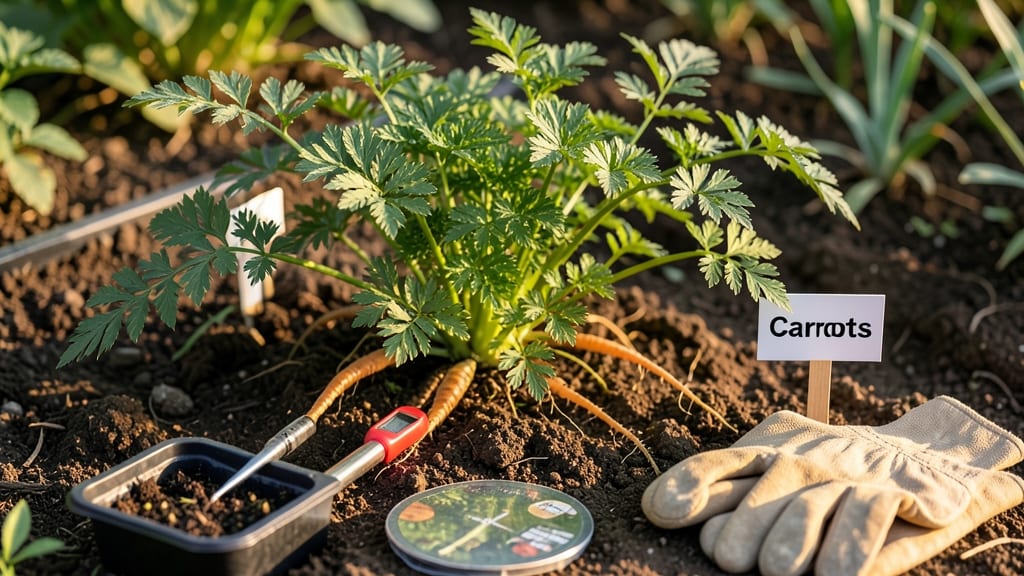
Timing your carrot planting in Connecticut isn't just about the calendar—it's about catching that 50-65°F soil window when those tiny seeds finally decide to sprout. Too early, and your 🥕 seeds will sit in cold, stubborn silence; too late, and you might miss the sweet spot for harvest before frost.
I've learned the hard way that Connecticut's fickle spring weather demands patience—planting too soon means waiting weeks for germination, while rushing it risks stunted roots. The key? Understanding your local frost dates and soil temperature triggers to maximize your growing season.
Whether you're aiming for crisp spring harvests or fall storage carrots, this guide will break down the exact planting windows that work in USDA Zone 6a. We'll cover soil prep secrets, variety choices, and how to stretch your season without gambling on Mother Nature's mood swings.
Ready to grow carrots that actually thrive? Let's dive into the science behind fast germination and how to time your plantings for success—no more wasted seeds or disappointed gardeners.
Connecticut carrot planting timeline: soil temperature rules for success
Timing your carrot planting in Connecticut isn't just about avoiding frost—it's about waiting for the soil to warm to 50-65°F. Carrot seeds are notoriously slow to germinate in cold soil, often taking 2-3 weeks when temperatures dip below 55°F.
In my USDA Zone 6a garden, I’ve learned the hard way that rushing planting leads to patchy, slow germination and stunted roots.
Connecticut’s last spring frost typically arrives around April 15, but that doesn’t mean it’s time to plant. The key is soil temperature, not air temperature. Coastal areas like New Haven warm up faster than inland spots like Hartford, so adjust your timeline accordingly.
For example, I plant 2 weeks earlier in my coastal garden compared to my inland plot.
Here’s the golden rule: Wait until the soil reaches 50°F for early varieties and 60°F for slower-germinating types. Use a soil thermometer to check—don’t guess!
I’ve seen carrots fail to sprout when planted in 45°F soil, even if the air felt warm enough. Patience pays off with faster, more uniform germination.
| Planting Window | Soil Temp Requirement | Germination Time | Best Varieties |
|---|---|---|---|
| Early Spring (Coastal) | 50-55°F | 14-21 days | 'Paris Market', 'Little Finger' |
| Late Spring (Inland) | 55-60°F | 7-14 days | 'Nantes', 'Chantenay' |
| Summer (Succession) | 60-65°F | 5-10 days | 'Danvers', 'Rainbow' |
| Fall (Before Frost) | 50-55°F | 10-18 days | 'Autumn King', 'Sweet Crunch' |
For spring planting, aim for mid-April to mid-May in coastal CT, but push back to late April to early June inland.
I’ve had success with succession planting every 2 weeks until early June to stretch the harvest season. Summer planting is possible in CT, but only if you can provide consistent moisture and shade during heatwaves—carrots bolt quickly when stressed.
Fall planting is my favorite strategy for Connecticut gardens. Start late August to early September to ensure roots mature before the first frost (October 20). I’ve grown 'Autumn King' carrots that stayed crisp through November with just a light row cover on chilly nights.
The key is planting 6-8 weeks before frost—use your frost-free date calculator to plan.
Don’t overlook microclimates in Connecticut. A south-facing bed warms up 3-5 days earlier than a north-facing one. I’ve also noticed that raised beds reach optimal temperatures 1 week sooner than in-ground plots.
If you’re in a cold pocket like the Farmington Valley, consider using black plastic mulch to warm the soil faster.
One common mistake I see is planting too deep when trying to cool the soil. Carrot seeds need light to germinate—bury them only ¼ inch deep. Overly deep planting leads to stunted roots and poor yields.
I’ve also learned to avoid fresh manure in the planting bed, as it can cause forked roots. Instead, I mix in composted cow manure 2 weeks before planting to improve soil structure.
To track your soil temperature like a pro, place your thermometer 2 inches deep in the soil and check it mid-morning when it’s most accurate.
If you’re unsure, use the "finger test": Stick your finger in the soil—if it feels warm but not hot, it’s likely in the 55-60°F range. For fastest germination, aim for 60°F+ soil—this cuts germination time from 3 weeks to just 5-7 days.
Pro tip: If you’re eager to start early, try starter beds with row covers to warm the soil faster. I’ve seen 10-14 day germination improvements using this method.
Just remember to remove covers once seedlings emerge to prevent overheating. With the right timing and soil prep, you’ll be harvesting sweet, crisp carrots from June through November
5 Proven strategies to extend carrot season in Connecticut’s short growing period
Connecticut’s short growing season (just 165 frost-free days) makes timing critical for carrot success. By using these 5 proven strategies, you can stretch your harvest from early summer through crisp fall—even when late frosts threaten.
The key? Succession planting, cold-hardy varieties, and protective row covers that shield tender seedlings from New England’s unpredictable weather.
First, choose the right carrot varieties for CT’s climate. 'Danvers' and 'Nantes' types thrive in cooler soils and tolerate light frosts, while 'Chantenay' varieties handle heavier soils better. I’ve found that 'Nantes' carrots germinate faster in 50°F soil, giving you a head start when spring dawdles.
For fall plantings, 'Danvers' holds up better against early frosts, extending your harvest window by 3-4 weeks.
- 🌱 Succession Plant every 2 weeks from mid-April to early June, then again in August for fall harvests. This creates a continuous supply despite CT’s short season.
- 🌡️ Use row covers when nights dip below 40°F—they raise soil temps by 5-8°F and protect seedlings from frost damage.
- ✂️ Thin seedlings to 2-3 inches apart when they’re 2 inches tall—this prevents crowding and ensures straight, pencil-thick roots.
- 💧 Water deeply every 3-4 days in spring/fall, but reduce to 2x weekly in summer heat to prevent bolting.
- 🌿 Mulch with straw or leaves to retain moisture and suppress weeds, which compete with carrots for nutrients.
For late-season protection, I swear by floating row covers (like Reemay fabric) when frost warnings appear. These lightweight covers trap heat during the day and insulate at night, letting you harvest 2-3 weeks later than unprotected plots.
In my USDA Zone 6a garden, this has added 10-14 extra harvest days in October—no small feat in Connecticut!
Another game-changer? Interplanting carrots with radishes or lettuce. Radishes mature in 30 days, giving you an early harvest while carrots develop. Once you pull the radishes, the carrots have more space to grow without thinning.
This space-saving trick lets me fit 30% more carrots in the same bed, maximizing my short season.
Don’t forget about soil preparation—loose, rocky-free soil is non-negotiable for carrots. I mix in compost and coarse sand before planting to prevent forked roots. For fall plantings, add a light fertilizer (like 5-10-10) in early September to boost root development before the first frost.
This one-time boost can increase yield by 20-25% compared to unfertilized beds.
With these strategies, you’ll turn Connecticut’s short growing season into a carrot lover’s paradise. Start with succession planting, protect seedlings with row covers, and choose cold-hardy varieties—your taste buds (and dinner table) will thank you all season long. 🥕