
Plants
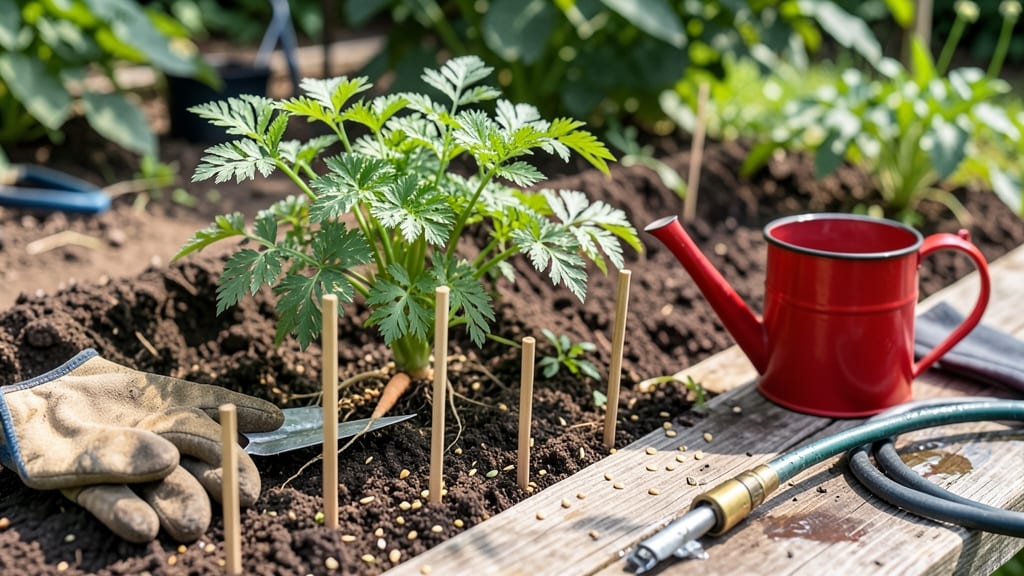
Planting carrots in Montana isn’t just about tossing seeds into the dirt—it’s about mastering the frost-free window that can make or break your harvest. With USDA zones 3-7 and elevation swings from valleys to high country, timing is everything to avoid stunted roots or bitter greens.
The 🥕 you grow could thrive in early spring or late summer, but getting it wrong means bolting before you even get a taste.
Let’s cut through the guesswork. Whether you’re in Missoula’s milder climate or the cooler highlands near Bozeman, I’ll break down the exact planting windows that align with Montana’s unpredictable frost dates.
You’ll learn how to stretch your growing season with succession planting and which varieties hold up best in rocky soil—because not all carrots are created equal here.
Skip the trial-and-error. By the end, you’ll know precisely when to plant for crisp, sweet carrots every season, even if your neighbors are still waiting for their first frost. Ready to grow carrots that actually work in Montana? Let’s get started.
This isn’t just gardening—it’s about outsmarting Montana’s climate to get the harvest you deserve. No more wasted seeds or disappointing yields. Just reliable, delicious carrots from your own patch.
Montana carrot planting calendar by elevation zone (lowland to high country)
Montana’s dramatic elevation shifts—from river valleys to alpine meadows—mean your carrot seeds face wildly different frost risks and growing seasons. At 3,000 feet, you might enjoy 150 frost-free days, while at 8,000 feet, that shrinks to just 90 days.
Planting at the wrong time can lead to bolted greens or stunted roots from cold soil. Here’s how to sync your carrot planting with Montana’s three key elevation zones.
Carrots need soil temperatures above 50°F to germinate reliably, but Montana’s spring warming varies by 1,000 feet of elevation gain. Lowland areas near Missoula or Great Falls often hit germination temps by mid-April, while high-country gardens near Bozeman or Whitefish may wait until late May.
Use these guidelines to avoid wasted seeds and maximize your harvest.
🌱
For lowland zones (3,000–5,000 ft), like the Missoula Valley, start sowing carrot seeds in mid-April once soil temps hit 50°F. Use row covers if late frosts linger, as even 28°F can damage young seedlings.
Aim for two spring plantings: one in early April and another in early May for staggered harvests.
Mid-country gardens (5,000–7,000 ft, e.g., Bozeman or Butte) should wait until late April to plant, as cold nights delay germination. Prioritize cold-tolerant varieties like ‘Danvers Half Long’ and extend your season with black plastic mulch to warm the soil faster.
Summer plantings here can start as early as July 15 for a fall harvest.
High-country gardens (7,000+ ft, like Whitefish or Libby) face the toughest constraints. Plant only after May 10, using heat-loving varieties with 50–60 days to maturity. Succession planting is nearly impossible—focus on one late-spring crop and protect it with cloches or cold frames if frost threatens.
🌿
Montana’s summer planting window (July–August) works best in lowland zones, where carrot rust fly pressure is lower. For high elevations, limit summer sowings to early August and choose bolt-resistant varieties like ‘Paris Market’. Always water deeply after planting to prevent seed desiccation, especially in dry Montana summers.
Fall planting is risky above 5,000 feet due to early frosts, but lowland gardeners can try August sowings for 60-day varieties. Use straw mulch to insulate roots and harvest before first frost, which can arrive as early as mid-September in high country.
Pro tip: Test your soil’s germination readiness with a soil thermometer. Carrot seeds won’t sprout below 50°F, and waiting until soil hits 55°F speeds up growth. In rocky Montana soil, mix in compost or sand to prevent forking.
☀️
5 Critical factors that shift Montana carrot planting timing (beyond elevation)
Montana’s rocky soil and variable microclimates can throw off even the most precise planting calendar. While elevation sets the baseline, these five factors often shift your carrot planting window by weeks—sometimes months.
Ignoring them means risking forked roots or plants bolting before maturity. Let’s break down what truly moves the needle for Montana gardeners.
First, your soil type isn’t just about drainage—it’s about seedling emergence. Clay-heavy soils in the Missouri River valley can delay germination by 10-14 days compared to sandy loam in Bozeman’s high country.
Amending with compost isn’t optional; it’s a timing hack. I’ve seen gardeners in Helena push planting dates back by two weeks simply by prepping their beds with fine-textured compost to prevent crusting.
Next, microclimates create invisible boundaries in your yard. A south-facing slope in Kalispell might be 10°F warmer than your north-facing garden, extending your planting window by three weeks. Even within 100 feet, frost pockets can delay your first planting by 1-2 weeks.
I test microclimates by planting a test row of radishes—if they thrive, your carrots will too.
- Soil Type: Sandy loam = plant 2 weeks earlier than clay. Amend with compost to speed germination.
- Microclimates: South-facing beds = 3-week extension. North-facing? Delay planting by 1-2 weeks.
- Succession Planting: Stagger sowings every 2 weeks for continuous harvest. Last planting by July 15 in lowlands.
- Carrot Rust Fly: Avoid planting after June 1 in valleys. Use floating row covers for high-risk areas.
- Spring Frost: Wait until soil temps hit 50°F (not air temp). Use black plastic mulch to warm soil faster.
Succession planting is your secret weapon against Montana’s short season. Instead of one big planting, I sow carrot seeds every 2 weeks from late April through July. This ensures a steady supply—critical when your neighbors’ gardens bolt by August. For high-elevation areas (7,000+ ft), stop by July 1; in valleys, you can push to July 15 with row covers.
The carrot rust fly is Montana’s silent harvest killer. These pests thrive in warm, moist soil, and their larvae chew through roots. To avoid them, I never plant carrots after June 1 in lowland areas.
In Bitterroot Valley, I use floating row covers from late June to September. If you’re planting late, opt for short-season varieties like ‘Paris Market’ (55 days) to outpace the flies.
Finally, unpredictable spring frosts can derail even the best-laid plans. I’ve lost three spring plantings to late frosts in Great Falls, but I’ve learned to wait for soil temperatures (not air temps) to hit 50°F consistently.
A trick I swear by? Laying black plastic mulch 2 weeks before planting warms the soil by 5-8°F, shaving weeks off your wait time.
Montana’s carrot growing season isn’t one-size-fits-all—it’s a puzzle where soil, microclimates, pests, and frosts all play a part. Master these five factors, and you’ll turn your garden into a carrot powerhouse, no matter where you are in the state. 🥕