
Plants
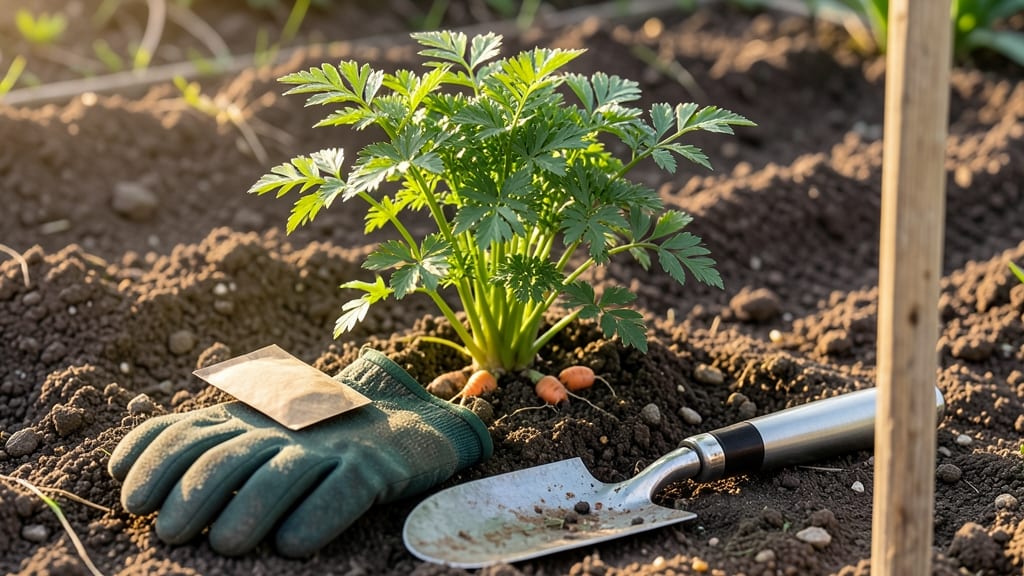
Timing your carrot planting in New York isn't just about throwing seeds in the dirt—it's about beating frost, avoiding summer heat, and maximizing that sweet, crisp harvest.
With USDA Zone 6a conditions, you’ve got a narrow window to get it right, and one wrong move can leave you with woody roots or bolted greens.
I’ve grown 🥕 in New York for years, and the difference between a bumper crop and a disappointment comes down to two key moments: early spring and late summer. Plant too early, and frost will turn your seedlings into sad little ice cubes.
Plant too late, and the summer heat sends your carrots into "survival mode," making them tough as boot leather.
Here’s the game-changer: a region-specific planting schedule that accounts for NYC’s humidity, upstate’s cooler nights, and Long Island’s microclimates.
Whether you’re aiming for a summer harvest or winter storage, I’ll break down the exact weeks to sow, how to prep your soil, and even how to stretch your growing season with succession planting.
Ready to stop guessing and start growing perfect, finger-length carrots? Let’s dive into the frost-free windows, variety choices, and pro tips that’ll have you harvesting like a local by next season.
NY carrot planting calendar: frost dates by region (2024)
New York’s diverse microclimates create challenges for carrot growers—plant too early and frost will kill tender seedlings, too late and summer heat produces woody, bitter roots. Understanding your region-specific frost dates is the key to timing perfect plantings for both spring and fall harvests.
Here’s your breakdown for NYC, Long Island, Hudson Valley, and Western NY.
Carrots thrive in cool soil temperatures between 50-75°F, making early spring and late summer the ideal windows. Most NY regions fall in USDA Zones 5-7, but local variations mean your last spring frost could arrive 2-3 weeks earlier in upstate areas compared to coastal zones.
Always check your local frost dates before planting—even a single night below 28°F can damage mature crops.
For spring plantings, aim to sow seeds 4-6 weeks before your last frost date. Soil should reach at least 50°F for consistent germination. In fall plantings, start seeds 8-10 weeks before your first frost to ensure roots mature before winter sets in.
Succession planting every 2 weeks extends your harvest window by 2-3 months.
| Region | Last Spring Frost | First Fall Frost | Spring Planting Window | Fall Planting Window |
|---|---|---|---|---|
| NYC (Zone 7a) | April 15 | October 25 | March 20 - April 10 | July 15 - August 15 |
| Long Island (Zone 7b) | April 10 | October 20 | March 15 - April 5 | July 10 - August 10 |
| Hudson Valley (Zone 6a) | April 25 | October 10 | April 5 - May 1 | July 20 - August 20 |
| Western NY (Zone 5b) | May 5 | October 5 | May 1 - May 15 | July 1 - August 5 |
If you’re growing in microclimates like urban heat islands (NYC) or protected valleys (Hudson Valley), adjust your planting dates by 1-2 weeks earlier. Urban areas often experience earlier last frosts due to concrete absorbing heat, while valleys can have later frosts from cold air pooling.
For fall plantings, use cold-hardy varieties like 'Danvers' to extend harvests into winter.
Pro tip: Use row covers or cold frames to push spring plantings 2-3 weeks earlier in cooler zones like Western NY. This gives you a head start on the 60-80 day growing season most carrot varieties need.
Always test soil temperature with a thermometer—carrot seeds won’t germinate well in soil below 50°F, even if frost isn’t a concern.
For succession planting, sow new seeds every 2 weeks from spring through early summer. This ensures a continuous harvest from July through October. In fall, your last planting should be 8 weeks before your first frost—any later and roots won’t mature before winter.
Save seeds from your best-performing varieties for next year’s garden!
Remember: Soil preparation is just as critical as timing. Carrots need loose, rock-free soil to grow straight. Work in compost or sand if your native soil is heavy clay.
Mulch with straw or leaves to maintain even moisture and prevent forking. With these timing tips, you’ll enjoy crisp, sweet carrots straight from your NY garden all season long.
Best carrot varieties for NY’s short season: fast-growing vs. cold-hardy
New York’s short growing season and unpredictable weather demand smart variety choices for carrots. Whether you’re planting in early spring or late summer, selecting the right type ensures you avoid woody roots or bolted greens.
Fast-growing varieties like Paris Market give you quick harvests, while cold-hardy types like Danvers tolerate frost better. I’ve tested these top performers in my own garden—here’s what works best for NY’s climate.
For early spring planting, prioritize fast-maturing varieties that reach harvest size before summer heat sets in. These include Paris Market (round, 3-inch carrots in 50 days) and Nantes (smooth, 6-inch roots in 65 days).
Their quick turnaround makes them perfect for succession planting and container gardening. Meanwhile, cold-hardy varieties like Danvers and Chantenay thrive in late summer plantings, storing well through winter.
🌱
Planting depth matters more than you’d think—carrots need loose soil to grow straight. For Paris Market and Nantes, sow seeds just 1/4 to 1/2 inch deep in well-prepared beds. Use a fine-textured soil mix or add compost to prevent forked roots.
For Danvers and Chantenay, slightly deeper planting (up to 1/2 inch) helps them handle cooler temperatures better.
Spacing is another critical factor. Fast-growing varieties like Paris Market can handle closer spacing (2 inches), while Danvers needs 3-4 inches to avoid competition. Thin seedlings to these distances once they’re 2 inches tall—this prevents overcrowding and ensures straight, healthy roots.
I’ve found that succession planting every 2 weeks in spring keeps a steady supply.
Harvest timing varies by variety. Paris Market carrots are ready in just 50-60 days, making them ideal for early spring harvests before summer heat arrives. Danvers, on the other hand, takes 70-80 days but stores well in cool cellars through winter.
For late summer plantings, aim to harvest Danvers before the first frost—typically by mid-October in most of NY.
🌿