
Plants
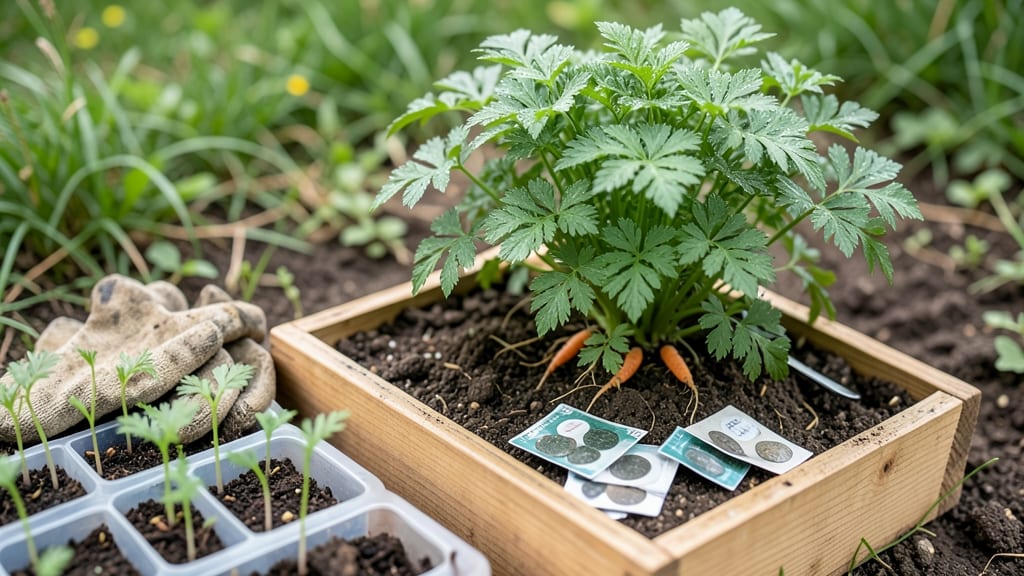
Planting carrots in Seattle isn't just about throwing seeds into the ground—it's about outsmarting the rain, the chill, and those pesky late frosts that can turn your 🥕 dreams into a soggy mess.
If you've ever stared at your garden calendar, wondering when to plant carrots in Seattle without guessing wrong, you're not alone. The key lies in reading your microclimate: West Seattle's coastal fog, the Eastside's heat pockets, or rural Skagit's longer summers all demand different strategies.
I'll show you the exact frost-free windows for 3 Seattle zones, plus how to stretch your growing season with row covers and fast-maturing varieties—because nobody wants to wait until next year for crisp, sweet roots.
From soil prep tricks for our heavy clay to container gardening hacks for urban balconies, we'll cover everything so you can finally grow carrots that rival the ones at the farmers' market—without the $4 price tag.
Seattle carrot planting deadlines by microclimate zone
Seattle’s cool, wet climate makes timing critical for growing sweet, crisp carrots. Unlike warmer regions, our short growing season and unpredictable frosts demand precise planting windows. Urban areas like West Seattle face more heat island effects, while rural Snohomish/Skagit zones enjoy longer frost-free periods.
Here’s how to align your planting with Seattle’s three distinct microclimates.
Spring planting begins 4-6 weeks before your area’s last frost date, while fall plantings should occur 8-10 weeks before the first frost. Seattle’s USDA Zone 8a averages a 165-day frost-free window, but microclimates can shift these dates by 2-3 weeks.
Urban areas often experience earlier heatwaves, while rural zones may see late spring frosts.
Key factors to consider include:
- Urban heat islands (West Seattle) can push last frost dates 3-5 days earlier
- Suburban Eastside areas typically follow regional averages
- Rural Skagit/Snohomish zones may have 10-14 days longer frost-free seasons
| Microclimate | Spring Planting Window | Fall Planting Window | Last Frost Date | First Frost Date | Heatwave Risk |
|---|---|---|---|---|---|
| Urban (West Seattle) | March 20 - April 15 | July 15 - August 10 | March 10-15 | November 10-15 | High (June-August) |
| Suburban (Eastside) | March 25 - April 20 | July 20 - August 15 | March 15-20 | November 15-20 | Moderate (July-September) |
| Rural (Snohomish/Skagit) | April 1 - April 25 | July 25 - August 20 | April 1-5 | November 20-25 | Low (August-September) |
📅 Note: Adjust dates 1 week earlier for southern Seattle (e.g., Kent) and 1 week later for northern suburbs (e.g., Woodinville).
For spring plantings, urban gardeners should start seeds indoors by March 1 to transplant outdoors after the last frost. Rural areas can direct-sow outdoors as early as late March. My personal trick is to use biodegradable pots for seedlings, which eliminates transplant shock when moving to garden beds.
Fall plantings require earlier timing to ensure harvest before frost. Urban areas must plant by mid-July, while rural zones have until mid-August. Choose fast-maturing varieties like 'Paris Market' (50 days) for fall harvests, as they tolerate cooler soils better than longer-season types.
Seattle’s unpredictable heatwaves can stress carrots, especially in urban microclimates. If temperatures exceed 85°F (29°C) for more than 3 consecutive days, consider using shade cloth (30-50%) to protect seedlings.
My 2021 garden lesson proved that row covers saved an entire batch of carrots during a 90°F heatwave in July.
Container gardening works well in urban spaces but requires deeper pots (12+ inches) for full-sized carrots. Start seeds in late April for containers, as they warm up more quickly than ground soil.
I’ve successfully grown 'Little Finger' carrots in 18-inch-deep pots on my West Seattle balcony, harvesting from July through September.
Soil preparation is non-negotiable in Seattle’s heavy clay. Amend beds with compost and coarse sand to prevent forked roots. My go-to method is mixing in 1 part compost and 1 part perlite for every 3
How to adjust carrot planting for Seattle’s unpredictable weather
Seattle’s cool, wet springs and unpredictable heatwaves can derail even the most well-planned carrot crop. To beat the odds, I’ve learned to stagger plantings and use protective strategies like row covers. The key is flexibility—fast-maturing varieties and extended-season techniques turn Seattle’s challenges into opportunities for a longer harvest.
For example, my urban garden in West Seattle often faces late frosts in May, while Eastside gardens might experience early heat in July.
By choosing the right carrot varieties and adjusting planting times, I’ve consistently harvested sweet, plump roots from June through October, even in the most unpredictable years.
Late Frost Risk in Seattle
Seattle’s last frost date averages March 15, but urban areas like West Seattle can experience frosts until April 15. Planting ‘Paris Market’ carrots (ready in 50 days) after April 1 reduces frost risk while ensuring a summer harvest before heat stress sets in.
For fall planting, aim for August 15 to harvest before first frost (November 15). Use row covers to extend the season by 2-3 weeks.
One of my go-to strategies is using row covers to protect young seedlings. I’ve found that floating row covers (like those from GrowGuard) raise soil temperatures by 5-8°F, accelerating growth and shielding plants from late spring frosts.
For early plantings in March, I cover seeds until they sprout, then remove the cover once they’re 2 inches tall.
Another trick? Succession planting every 2 weeks from March to July. This ensures a continuous harvest and reduces the impact of unpredictable weather.
I plant ‘Danvers’ carrots (ready in 70 days) in early March for a summer crop, then switch to ‘Nantes’ varieties (ready in 60 days) in May for a fall harvest.
For container gardening in Seattle, I’ve had success with deep pots (12+ inches) filled with loose, well-draining soil. Varieties like ‘Little Finger’ (ready in 55 days) thrive in containers and tolerate cooler temperatures better than larger varieties.
Just ensure pots get full sun (6+ hours) and keep soil consistently moist.
Finally, always monitor local forecasts and adjust planting dates accordingly. The National Weather Service’s Seattle office provides 10-day outlooks that help me decide whether to delay planting or use extra protection.
With these strategies, even Seattle’s unpredictable weather becomes an advantage for a longer, more reliable carrot harvest. 🥕