
Plants
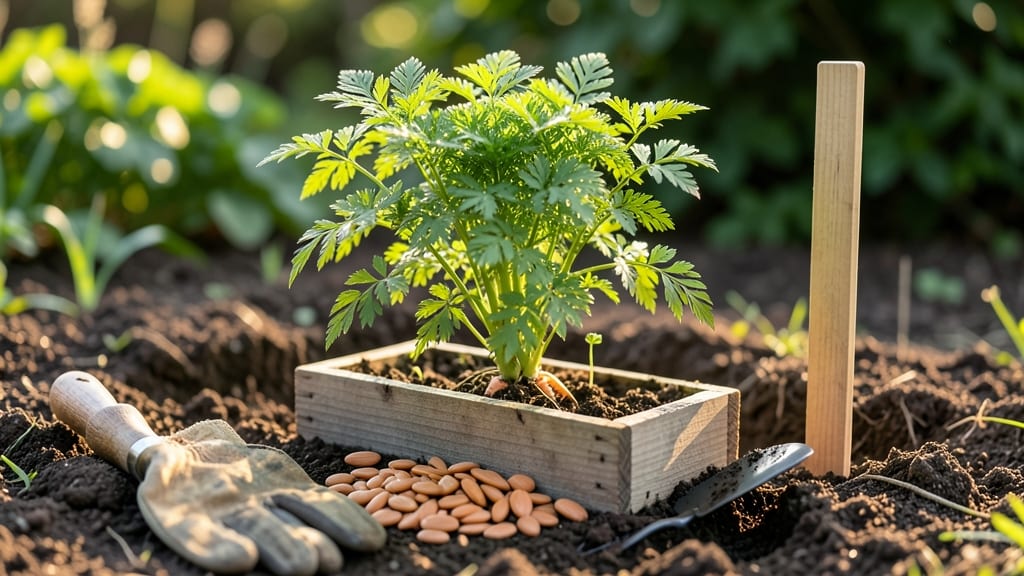
Timing your carrot planting in Zone 7a can mean the difference between sweet, crisp 🥕 roots and bitter, woody failures. Plant too early, and frost will turn your seedlings into sad, mushy memories. Too late, and you’ll end up with tough, unappetizing harvests that taste more like regret than victory.
Most gardeners in Zone 7a swear by two planting windows: early spring (March to April) and late summer (July to August). But here’s the secret—getting the exact timing right depends on your last frost date and soil temperature, not just the calendar.
I’ll break down the precise weeks before your last frost to ensure your carrots grow like they’re in a gourmet chef’s dream.
Why does this matter? Because Zone 7a has a short window between frost and scorching summer heat. Miss it, and you’ll either be dealing with bolting carrots or waiting forever for harvest.
The good news? With the right strategy, you can enjoy fresh carrots from late spring through fall—no waiting, no stress, just delicious roots.
Ready to master the art of carrot timing? I’ll walk you through the exact weeks to plant, how to prep your soil, and even share my favorite varieties for Zone 7a’s tricky climate.
Let’s get those seeds in the ground the right way—so you can pull perfect carrots all season long.

Best planting weeks for carrots in Zone 7a: exact timing before last frost
In Zone 7a, where average last frost dates hover around mid-April, timing your carrot plantings correctly means the difference between sweet, crisp roots and disappointing harvests. Carrots thrive in cooler temperatures, making spring and fall your best planting windows.
Let’s break down the exact weeks to maximize your yield and avoid common pitfalls like frost damage or bolting.
For spring plantings, aim to sow seeds 4-6 weeks before your last frost date. In Zone 7a, this typically lands in the first two weeks of March. This early start ensures seedlings emerge when soil temperatures are ideal—around 50-65°F—without risking frost damage to tender sprouts.
If you miss this window, your next best chance is early April, but be prepared to protect seedlings with row covers if frost lingers.
Fall plantings offer a second harvest opportunity, with seeds sown 8-10 weeks before your first frost (around mid-October in Zone 7a). This means your late July to early August planting window is critical.
Carrots sown too late in summer may bolt prematurely due to longer daylight hours, so prioritize shade cloth or succession planting for extended harvests.
| Planting Window | Soil Temp Requirement | Days to Harvest | Key Consideration |
|---|---|---|---|
| First two weeks of March | 50-65°F | 60-80 days | Avoid frost; use row covers if needed |
| Early April | 55-70°F | 70-90 days | Risk of bolting; choose slow-bolting varieties |
| Late July to early August | 50-60°F | 50-70 days | Sow before daylight stretches too long |
| Early September | 50-65°F | 60-80 days | Harvest before hard frost; use cold frames |
Soil temperature is just as critical as air temperature. Carrot seeds won’t germinate below 50°F, so always check soil temps with a soil thermometer before planting. In Zone 7a, March soils often hover around 45°F—too cool for reliable germination.
To speed things up, use black plastic mulch or plant in raised beds, which warm faster.
One of my biggest mistakes was planting carrots in late February—the seeds sat in cold soil for weeks without sprouting. If you’re eager to start early, consider starter kits or indoor seedling trays under grow lights. Transplant seedlings outdoors once soil reaches 55°F and all frost risk has passed.
For fall plantings, focus on short-day varieties like 'Paris Market' or 'Little Finger', which mature quickly and tolerate cooler temps. These varieties also resist bolting, a common issue when carrots experience warm spells in late summer.
Succession plant every 2 weeks in July and August to stagger harvests through October.
Protect your fall crop with lightweight row covers if frost threatens. Even a light frost can damage leaves, but the roots often survive. In Zone 7a, October harvests are possible if you plant by early September—just be prepared to harvest before hard frost (below 25°F) sets in.
Don’t forget to loosen soil and remove rocks before planting—carrots need deep, stone-free soil to grow straight. In Zone 7a’s clay-heavy soils, mix in compost or sand to improve drainage.
Overcrowding is another common issue; thin seedlings to 2-3 inches apart once they’re 2 inches tall to prevent forked or stunted roots.
With these exact planting windows and soil prep tips, you’ll enjoy crisp, homegrown carrots from May through October in Zone 7a. Happy growing! 🥕
How to extend carrot growing season in Zone 7a: success tips for spring and fall plantings
Extending your carrot harvest in Zone 7a isn’t just about planting once—it’s about strategic timing and variety selection. Most gardeners focus only on spring planting, but fall offers a second chance for sweet, crisp roots.
The key? Understanding how to stretch your growing season without risking bolting or bitterness from heat or cold stress.
In my garden, I’ve learned that succession planting and cold-hardy varieties are game-changers. By planting every 2-3 weeks during spring and again in late summer, I’ve enjoyed fresh carrots from May through October.
The trick is balancing soil warmth, frost dates, and shade protection to keep your carrots happy all season long.
Here’s how I extend my carrot season without the guesswork—from soil prep to variety choices and even a little shade magic.
5 Key Steps to Extend Your Carrot Season
- 1. Start with early spring plantings (March 15-April 1) when soil reaches 50°F—use row covers for frost protection.
- 2. Choose bolt-resistant varieties like 'Danvers Half Long' or 'Nantes' for heat tolerance.
- 3. Succession plant every 2-3 weeks until June 15 for staggered harvests.
- 4. Plant fall crops by August 1 for harvests before first frost—use shade cloth in late summer.
- 5. Mulch heavily in fall with straw or leaves to insulate roots from temperature swings.
For spring plantings, I always test soil temperature with a soil thermometer—carrot seeds need warmth to germinate. If your soil is still chilly in early March, wait until mid-March or use a cold frame to jumpstart germination.
In my experience, 'Paris Market' carrots are my top pick for spring—they mature in just 55 days and handle light frost beautifully.
Fall plantings require even more attention. I start seeds indoors in late July and transplant seedlings in early August. The secret? Shade cloth during the hottest part of summer prevents bolting.
I also avoid fertilizing heavily in late summer—too much nitrogen can lead to leafy tops and small roots. Instead, I focus on consistent watering and light mulching to keep soil cool.
One mistake I made early on was planting fall carrots too late. If you miss the August 1 deadline, your carrots may bolt before harvest. To avoid this, I now mark my calendar and set reminders.
Another tip? Interplant carrots with radishes—radishes mature quickly and mark the spot for your carrots, while their shallow roots won’t compete.
With these strategies, I’ve turned my Zone 7a garden into a carrot powerhouse. Whether you’re a beginner or a seasoned gardener, extending your season is all about timing, variety, and a little extra care. Try it this year—your taste buds (and dinner table) will thank you! 🥕