
Plants
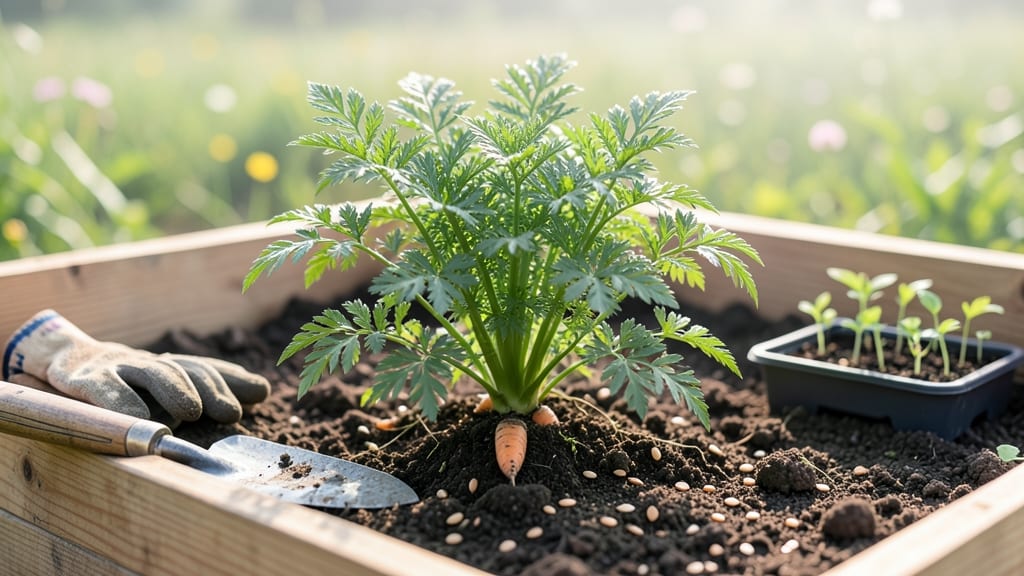
To grow sweet, straight 🥕 carrots in Zone 9a, when to plant carrots is the first key to success—timing isn't just about the calendar, it's about catching the perfect soil temperature window before the heat sends them bolting.
I've learned the hard way that planting too early or too late in this warm climate can turn your garden into a sad patch of leafy stalks with no roots.
The key to success lies in those cool fall and winter months when soil temps drop just enough to slow down growth without stopping it.
If you've ever watched your carrot seeds sprout only to watch the plants bolt into flower before you get a single edible root, you know how frustrating it can be. But there's a science to this, and I'm about to share exactly when to plant for that perfect balance.
We're talking about two main planting windows that work beautifully in Zone 9a: the fall window from September through November, and the winter window from December through February. Each has its own advantages, and I'll walk you through how to maximize your chances of success in each.
The goal? A steady supply of crisp, flavorful carrots from December right through April.
What you'll discover is that the right planting time isn't just about when you put seeds in the ground—it's about understanding how your local microclimate affects soil temperature and growth patterns. Let's dive into the specifics that will transform your carrot-growing game in Zone 9a.

Optimal planting windows for carrots in Zone 9a by soil temperature
In Zone 9a, where summer heat can cause carrots to bolt prematurely, timing your plantings based on soil temperature—not just calendar dates—is the secret to success. Carrot seeds need 50-60°F soil to germinate, while ideal growth occurs between 65-75°F.
Missing this window means stunted roots or bitter flavors. Let’s break down the best times to plant for zero-bolt carrots.
Fall planting (September through November) is your golden window in Zone 9a. As summer heat fades, soil temperatures drop into the perfect 55-65°F range, giving seeds the ideal conditions to sprout without stress.
This timing also lets you harvest before winter rains arrive, avoiding waterlogged soil that can cause rot.
Winter planting (December through February) works too, but requires extra care. Soil temps hover around 50-60°F—just right for germination—if you use row covers or plant in microclimates like south-facing slopes. Mulching with straw keeps roots insulated from cold snaps, ensuring steady growth.
Spring planting is tricky in Zone 9a. By March, soil can warm too quickly, pushing carrots into bolting mode (flowering prematurely). To delay bolting, sow seeds in partial shade or use shade cloth (30-50%) until soil temps stabilize below 70°F.
| Planting Window | Soil Temp (°F) | Key Strategy | Harvest Window |
|---|---|---|---|
| Early Fall (Sept-Oct) | 55-65°F | Direct sow; mulch for moisture | Nov-Dec |
| Late Fall (Nov) | 50-55°F | Use row covers; shallow sow | Jan-Feb |
| Winter (Dec-Feb) | 45-55°F | Plant in microclimates; mulch heavily | Mar-Apr |
| Spring (Mar-Apr) | 50-60°F | Shade cloth; succession plant | May-Jun |
For fall plantings, aim for September sowings when daytime highs drop below 85°F. Use a soil thermometer to confirm temps are 55-65°F—this is your sweet spot. If soil is warmer, wait 2-3 weeks or plant in shaded beds to cool the ground.
Winter plantings thrive in Zone 9a’s mild winters. December sowings in 50-55°F soil germinate reliably, while January-February plantings may need row covers to protect from chilly nights. Always test soil moisture—carrots need consistent dampness but hate soggy conditions.
Spring is riskier, but with succession planting, you can stretch the season. Start with shade cloth over seeds until soil temps stabilize below 70°F, then remove it gradually. Plant every 2-3 weeks for continuous harvests through summer’s edge.
Pro tip: Bolting-resistant varieties like ‘Danvers Half Long’ or ‘Nantes’ handle Zone 9a’s heat better than standard types. Pair them with mulch to keep soil cool and roots sweet.
Remember, soil temperature is your gardener’s compass. A $10 soil thermometer is your best friend—check it daily until seeds sprout. With these windows, you’ll grow straight, sweet carrots all year in Zone 9a’s warm embrace. 🥕
How to adjust planting times for zero bolt carrots in hot climates
Zone 9a’s heat can turn your carrot dreams into bolting nightmares, but with the right adjustments, you can grow sweet, straight roots all season long. The key is cooling soil temperatures and extending the growing window through smart planting strategies.
I’ve learned that succession planting and shade protection are my secret weapons against bolting.
Carrots bolt when exposed to consistent temperatures above 80°F, so timing is everything. By planting at the right times and using heat-tolerant varieties, you can push your harvest window well into spring. Let’s break down the exact adjustments that work in my Zone 9a garden.
🌱 5 Critical Adjustments for Zero Bolt Carrots
- Plant in fall (Sept-Nov) when soil temps drop to 65-75°F—ideal for germination without bolting risks.
- Use 30% shade cloth during summer months to keep soil temps below 75°F for new plantings.
- Choose Danvers varieties for cooler months and Nantes types for mild winters—they bolt less in heat.
- Stagger plantings every 2-3 weeks from Sept to Jan to ensure continuous harvests.
- Mulch heavily with straw or wood chips to insulate roots from heat spikes after planting.
My first adjustment is fall planting—this is non-negotiable in Zone 9a. I start sowing Danvers carrots in early September when daytime temps drop below 85°F. The goal is to get seeds in the ground before soil temps rise again in late fall.
For winter plantings, I switch to Nantes varieties, which handle cooler temps better.
Shade cloth is my game-changer for summer plantings. I drape 30% shade fabric over new beds in June and July, keeping soil temps 10-15°F cooler than ambient air.
This simple trick prevents bolting and extends my growing window into late summer. Just remember to secure the cloth tightly—carrots hate being disturbed!
Succession planting keeps my carrot supply steady. I make weekly sowings from September through January, with a final push in March before spring heat arrives. This staggered approach ensures I always have mature carrots ready to harvest while avoiding the bolting window.
Pro tip: Mark your planting dates on a calendar—consistency is key!
Don’t overlook soil preparation either. Amend your beds with compost and sand to improve drainage—carrots hate soggy soil. I also add a thin layer of mulch right after planting to lock in moisture and regulate soil temps. These small steps make a huge difference in preventing bolting.
With these adjustments, you’ll enjoy crisp, sweet carrots from fall through spring—no bolting in sight! The secret isn’t just timing; it’s combining the right varieties, shade protection, and consistent care. Try it in your garden this year—your taste buds will thank you. 🥕