
Plants
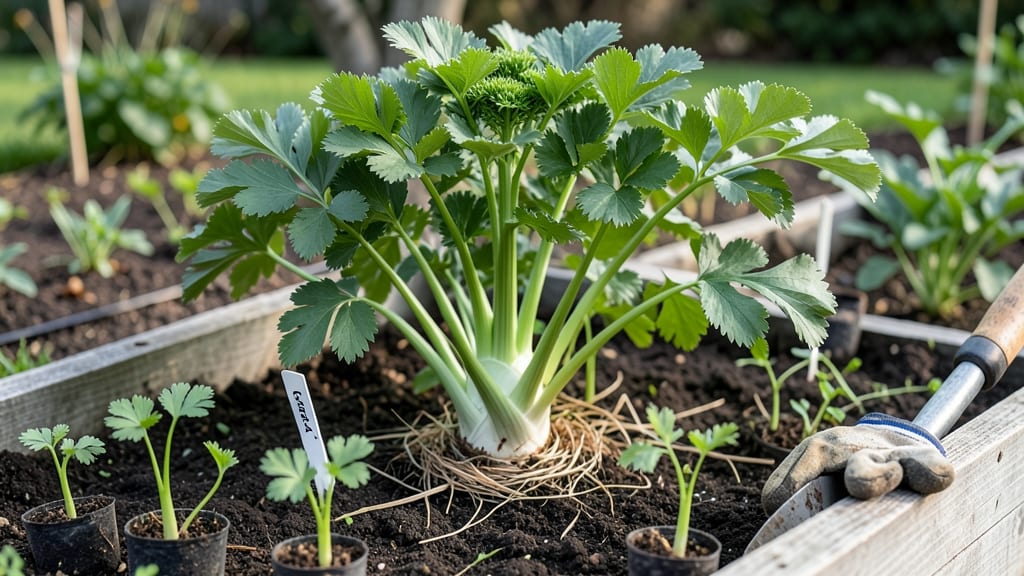
Timing your celery planting in Ohio isn’t just about the calendar—it’s about outsmarting the state’s unpredictable frosts to guarantee a harvest that’s crisp, vibrant, and ready for your kitchen.
With Ohio’s USDA Zone 6a climate, planting too early risks stunted growth, while waiting too long can leave you with bitter stalks by summer’s end.
The secret lies in those mid-April to early May windows, when soil temperatures finally climb to 50°F—the magic number for celery roots to take hold. But here’s the twist: Ohio’s microclimates mean your neighbor’s perfect timing might leave your 🥬 wilting.
Whether you’re direct-sowing seeds or transplanting seedlings, I’ll show you how to read frost forecasts like a pro and adjust for your corner of the state.
What if you want to push your harvest into October? Spoiler: It’s possible with the right tricks—like succession planting or cold frames—to extend Ohio’s growing season for celery. We’ll cover those game-changer strategies so you’re not left scrambling when the first frost rolls in.
Ready to grow celery that’s sweeter, crisper, and more reliable than store-bought? Let’s dive into the exact steps—from soil prep to frost-proofing—that’ll turn your Ohio garden into a celery powerhouse this year.
Ohio’s frost dates for celery planting: exact timing by month
Celery thrives in Ohio’s cool spring and fall seasons but wilts under late frosts or summer heat. Knowing your region’s last frost dates is key—because planting too early risks frost damage, while waiting too long means bitter stalks.
Ohio’s climate varies dramatically between Northern and Southern zones, so let’s break down the exact windows for success.
Northern Ohio (Zones 5b-6a) has earlier frosts than Southern Ohio (Zone 6b-7a). The average last spring frost arrives around April 15-30 in the north, while southern areas can plant as early as April 1-15.
For fall planting, aim for August 1-15 in the north and August 15-September 1 in the south to harvest before the first frost in October-November.
Here’s your Ohio celery planting timeline by region, including adjustments for early/late frost years and both direct sowing and transplanting methods.
| Region | Last Frost Date | First Frost Date | Direct Sow Window | Transplant Window | Fall Planting Window |
|---|---|---|---|---|---|
| Northern Ohio (Zones 5b-6a) | April 15-30 | October 15-November 1 | April 20-May 15 | April 20-May 10 (start indoors March 15) | August 1-15 |
| Southern Ohio (Zones 6b-7a) | April 1-15 | October 30-November 15 | April 10-May 10 | April 10-May 5 (start indoors March 1) | August 15-September 1 |
| Adjustments for Early/Late Frost Years | Add 2 weeks if frost is late | Subtract 2 weeks if frost is early | Use row covers for March starts | Transplant with cold frame if soil < 50°F | Extend to September 15 with frost cloth |
For direct sowing, plant seeds ¼-inch deep in well-draining soil once nighttime temperatures stay above 50°F. In Northern Ohio, this typically means waiting until mid-April to early May, while Southern Ohio gardeners can start as early as early April.
If you’re eager to try, use black plastic mulch to warm the soil faster and protect seedlings from late frosts.
Transplanting seedlings is often easier for Ohio gardeners. Start seeds indoors 10-12 weeks before your last frost date—so late February to early March for Northern Ohio and early to mid-February for Southern Ohio.
Harden off seedlings for 7-10 days before transplanting them 12-18 inches apart in rows 18-24 inches apart. Choose a sunny spot with partial afternoon shade to prevent bolting.
Ohio’s fall frost dates are just as critical. Celery needs 90-150 days to mature, so time your fall planting to harvest before the first frost. In Northern Ohio, aim for August 1-15 for a September-October harvest, while Southern Ohio gardeners can push it to September 1.
Use frost cloth or row covers to extend your harvest window into early November if needed.
Pro tip: Check Ohio State University’s Ohio Agricultural Research and Development Center for localized frost forecasts. Their Midwest Regional Climate Center also provides historical frost data to help you adjust your planting schedule.
For example, if the past 5 years show early October frosts, plan your fall planting accordingly.
If you’re in a microclimate—like a south-facing slope or urban heat island—you may have 2-3 weeks earlier frost-free windows. Test your soil temperature with a soil thermometer; celery roots need to stay above 55°F for consistent growth.
If temperatures dip below this, use mulch or row covers to insulate the soil.
Remember, celery is a cool-season crop that bol
How to extend Ohio’s growing season for celery: 3 proven tricks
Ohio’s unpredictable frosts can turn your celery dreams into wilted disappointment—but with the right tricks, you can extend the growing season and enjoy crisp stalks well into fall. Celery needs consistent warmth (soil temps above 50°F) to thrive, and Ohio’s early/late frosts often disrupt this.
The good news? You can create microclimates and use protective tools to push your harvest window by 4-6 weeks.
Here’s the secret: Celery hates cold snaps but loves stable conditions. By combining row covers, cold frames, and succession planting, you can trick Ohio’s climate into giving you a longer harvest.
These methods aren’t just for experts—even beginners can master them with the right steps. Let’s dive into the three proven tricks that’ll keep your celery growing when others are giving up.
- 1 Cold Frames: Use low-cost cold frames (even DIY plywood boxes with plastic lids) to raise soil temps by 10-15°F. Plant 4-6 weeks before your last frost date—this lets you start early March in Southern Ohio or late March in the north. Just remove the lid on warm days to prevent overheating.
- 2 Row Covers: Floating row covers (like Reemay fabric) add 4-8°F protection and block light frosts. Use them for fall planting (August-September) to extend harvests into October-November. Secure edges with soil or bricks to prevent wind damage. Remove covers during the day in 70°F+ temps to avoid overheating.
- 3 Succession Planting: Stagger planting every 2-3 weeks from April to August for a continuous harvest. For example, plant April 15, May 1, May 15—each batch will mature at different times. In fall, add one last batch in late July to harvest before the first frost.
Why does this work? Celery is a cool-season crop that bolts (goes to seed) in heat—so extending its season means avoiding both early frosts and summer scorching. Cold frames and row covers create microclimates that mimic Ohio’s spring/fall conditions even in unseasonable weather.
For example, a cold frame can turn a March soil temp of 40°F into a 55°F growing zone—perfect for celery roots.
Pro tip: Combine these tricks for maximum protection. Start with a cold frame in early spring, then switch to row covers in fall. Add straw mulch (3-4 inches deep) around plants to insulate roots and retain moisture.
This 3-layer approach has helped Ohio gardeners harvest celery as late as November 1—even in Zone 5b.
Don’t forget to monitor soil temps with a soil thermometer. Celery roots need to stay above 50°F for growth, but below 40°F will stunt them. If temps drop unexpectedly, add a lightweight blanket over the row cover for extra insulation.
With these tricks, you’ll turn Ohio’s short growing season into a celery powerhouse—no matter what Mother Nature throws your way.
Ready to try? Grab a cold frame kit (or build one from scrap lumber) and start your first early-planted batch this month. Your taste buds—and your dinner table—will thank you for homegrown celery that’s sweeter and crisper than anything from the store.