
Plants
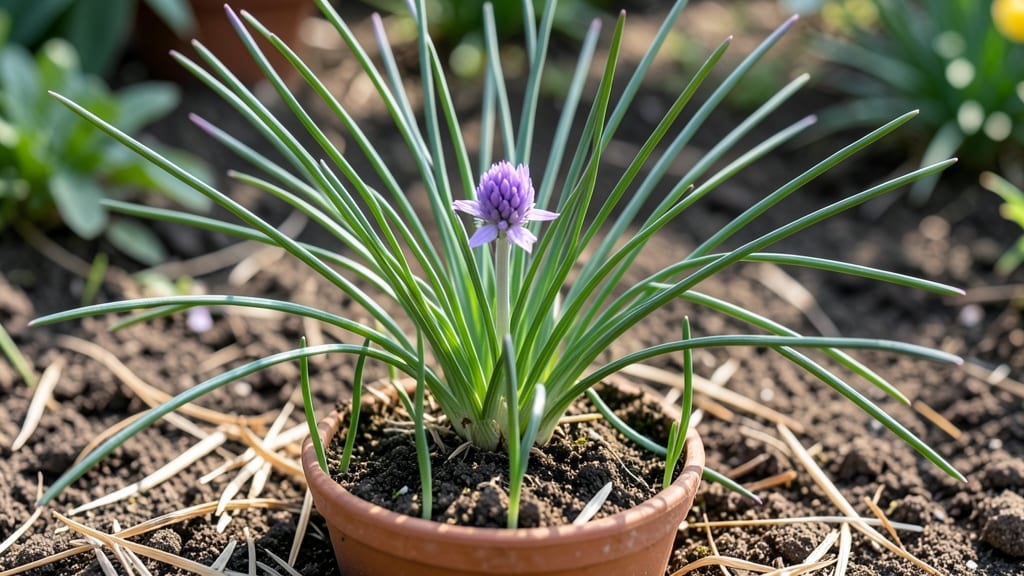
Planting chives in Texas at the wrong time means watching your hard work wilt under the scorching sun or freeze before it even gets started.
The key to thriving 🌿 chives in zones 8a-10b isn’t just about throwing seeds in the ground—it’s about timing them perfectly to beat the heat and avoid the chill.
Most gardeners swear by fall planting (September-October) as the best window, but Texas’ diverse climate means your neighbors in North Texas might have different rules than those in South Texas.
I’ll break down exactly when to plant for your specific region, so you can enjoy fresh chives year-round without the guesswork.
Whether you’re prepping containers for your balcony or digging in clay-heavy soil, the right schedule makes all the difference. Let’s cut through the confusion and get your chives growing strong—no matter where you are in the Lone Star State.
You’ll learn the exact months to plant, how to protect your chives from Texas’ extremes, and even how to extend harvests beyond the usual seasons. Ready to turn your garden into a chive powerhouse?
Optimal planting months for chives in Texas by region
Texas gardeners face unique challenges with chives—scorching summers and unpredictable winters make timing critical. Plant too early, and your chives will bolt from the heat; too late, and you’ll miss the first harvest.
The key is understanding your USDA zone and local frost dates, which vary dramatically from North Texas to South Texas. I’ve broken down the best months for planting by region, so you can grow chives year-round with minimal stress.
Chives thrive in cool seasons, but Texas’ climate demands a nuanced approach. In North Texas (Zones 8a-8b), frost can linger until mid-February, while South Texas (Zones 9b-10b) rarely sees frost at all.
Central Texas (Zones 8a-9a) falls somewhere in between, with mild winters and hot summers. By aligning your planting schedule with these regional differences, you’ll avoid common pitfalls like heat stress or winter dieback.
Here’s the comparison table for planting chives in Texas by region, including ideal months, frost considerations, and seasonal tips:
For North Texas gardeners, the fall planting window (September-October) is ideal because chives establish roots before winter. Start seeds indoors in late February for spring harvests, but avoid planting outdoors until after the last frost date.
In Central Texas, you can push planting into August for a fall harvest, but provide afternoon shade to prevent heat stress.
In South Texas, chives are perennial and can be planted almost year-round, but summer heat (June-August) is the worst time. Opt for container growing in partial shade during peak summer months.
I’ve grown chives in South Texas containers with success by placing them under 50% shade cloth during the hottest afternoons.
Spring planting in Texas is tricky because chives bolt quickly when temperatures rise above 85°F. If you plant in March-April, choose a shady spot and harvest leaves aggressively to keep the plant cool.
For year-round harvests, I recommend succession planting: sow seeds every 6-8 weeks in fall and spring to ensure a continuous supply.
Soil preparation is just as critical as timing. Texas soils are often clay-heavy and poorly draining, which can lead to root rot. Amend your soil with compost or aged manure before planting, and ensure your garden bed has well-draining soil.
If your yard is heavy clay, consider raised beds or containers filled with a 50/50 mix of potting soil and perlite.
Finally, don’t overlook container gardening for urban Texas gardeners. Chives grow beautifully in 6-inch pots with adequate drainage. This method gives you flexibility to move plants to shadier spots during summer or brighter locations in winter.
I’ve had great success with chives in terracotta pots on my balcony, harvesting fresh leaves all year.
With the right planting schedule and a few Texas-specific tweaks, you can enjoy fresh chives year-round—no matter where you garden in the Lone Star State. Start with the optimal months for your region, and don’t hesitate to experiment with shade
How to extend chive harvests year-round in Texas climates
Texas summers can turn your chives into sad, wilted relics if you don’t plan ahead. The trick to year-round harvests? Succession planting and smart overwintering strategies tailored to our climate.
I’ve grown chives in North Texas heat and South Texas humidity—here’s how to keep them thriving when most gardeners give up.
Start by choosing heat-tolerant varieties like ‘Garlic Chives’ or ‘Common Chives’ (Allium schoenoprasum). These handle 100°F+ temperatures better than delicate herbs. Pair them with shade cloth during peak summer (June-August) to prevent bolting, and you’ll extend harvests by 3-4 months.
- Fall Planting (Sept-Oct): Sow seeds or transplants 6-8 weeks before first frost (e.g., Nov 15 in Central Texas). Use straw mulch (2-3 inches) to insulate roots.
- Winter Protection: Add row covers in North Texas (Dec-Feb) when temps drop below 25°F. In South Texas, minimal protection suffices.
- Spring Succession: Plant every 3 weeks from Feb-March for continuous harvests. Use drip irrigation to avoid water stress.
- Summer Shade: Install 30-50% shade cloth over containers or in-ground beds during 12-4 PM to reduce heat stress.
- Container Hacks: Use 10-inch pots with well-draining mix (50% potting soil, 50% perlite). Move containers to patio shade in summer.
For urban gardeners, container growing is a game-changer. I’ve kept chives alive on balconies in San Antonio using self-watering pots with a 1-inch layer of pebbles at the bottom. This prevents root rot while keeping moisture consistent—critical during 90°F+ days.
Mulching isn’t just for looks—it’s a Texas gardener’s secret weapon. Apply wood chip mulch (3-4 inches) around plants in spring and fall to regulate soil temperature. In summer, switch to straw mulch, which reflects sunlight and retains moisture better.
Harvesting smartly also extends yields. Cut outer leaves only (never more than 1/3 of the plant) and always use clean, sharp scissors. This encourages regrowth and prevents disease. I harvest my chives every 2-3 weeks from March-November with minimal gaps.
Don’t let Texas’ extremes limit your chive harvests—with these strategies, you’ll enjoy fresh 🌿 chives from spring through fall, and even overwinter them with minimal effort. Start with one test batch this fall, and you’ll be hooked on year-round flavor!