
Plants
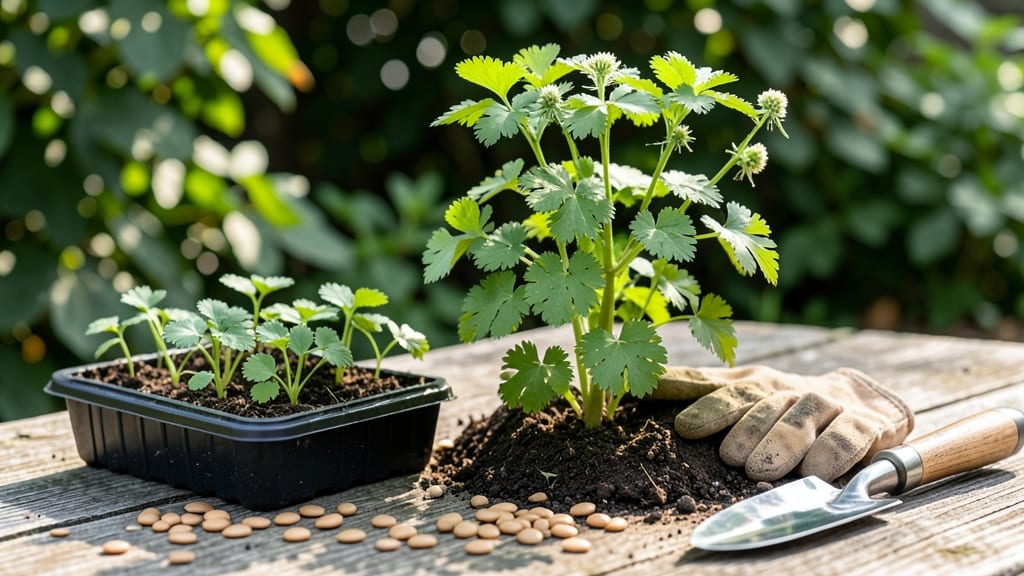
Planting cilantro in Florida at the wrong time means watching it bolt into bitter flowers before you even get a proper harvest. The key to lush, flavorful 🌿 cilantro all year lies in knowing exactly when to sow those seeds—because Florida’s heat and humidity play by their own rules.
Most gardeners assume cilantro thrives only in cool weather, but in USDA zones 9a-10b, you can actually grow it year-round with the right timing. The sweet spot? Fall and spring, when temperatures dip just enough to keep your cilantro happy without rushing into bolting.
But even then, North Florida’s occasional chilly snaps or South Florida’s relentless summer heat can throw off your plans.
I’ve learned the hard way that planting cilantro in May or August often leads to disappointment—unless you’re willing to baby it with shade and extra care. The solution? Strategic planting windows that align with Florida’s microclimates, plus a few pro tricks to outsmart the heat.
Let’s break down the exact months to plant for a harvest that lasts.
Whether you’re a seasoned gardener or just starting, these month-specific strategies will help you avoid the common pitfalls and enjoy fresh cilantro straight from your garden. Ready to stop the bolting and start the harvesting?
Best months to plant cilantro in Florida for maximum growth
Florida’s unique climate—with its humid summers and mild winters—means cilantro thrives best when planted during cooler months. The key is avoiding heat stress, which causes cilantro to bolt prematurely.
In North Florida, cooler temperatures arrive earlier, while South Florida stays warm longer, shifting planting windows by 1-2 months.
Cilantro grows best when daytime temperatures stay between 60°F and 75°F. If temperatures rise above 80°F, the plant will quickly bolt (flower and go to seed), ruining its fresh flavor.
Florida’s fall and spring seasons provide the perfect balance for cilantro’s growth cycle, while summer planting requires extra shade and watering to delay bolting.
Here’s a breakdown of the ideal planting windows for cilantro in Florida, tailored to the state’s three main regions:
| Region | Best Planting Months | Temperature Range (°F) | Key Tips |
|---|---|---|---|
| North Florida (USDA Zones 8a-9a) | September–October, February–March | 60–75°F (day), 50–60°F (night) | Plant after Labor Day to avoid early heat; protect from rare frosts in January. |
| Central Florida (USDA Zone 9b) | October–November, January–February | 65–78°F (day), 55–65°F (night) | Use shade cloth in late spring if planting in April. |
| South Florida (USDA Zone 10a-11) | November–December, March–April | 70–80°F (day), 60–70°F (night) | Prioritize afternoon shade and frequent watering to delay bolting. |
For North Florida gardeners, the fall planting window (September–October) is critical. Cilantro sown in late August may struggle with 90°F+ temperatures, leading to rapid bolting.
Instead, wait until September when nights cool down. In spring, aim for February–March to avoid the April heatwave, which can stress young plants.
Central Florida’s milder winters allow for a slightly extended fall planting season (October–November). However, January can still bring chilly nights, so use row covers if temperatures dip below 50°F. Spring planting in January–February works well, but transition to partial shade by April to protect plants from bolting.
In South Florida, cilantro can be planted year-round with careful management, but the best windows are November–December and March–April. The region’s warmer winters mean cilantro can handle December planting, but avoid summer sowing unless you’re prepared for daily shade and irrigation.
Even then, expect bolting within 3–4 weeks.
To maximize your cilantro harvest, succession plant every 2–3 weeks during the ideal months. For example, in North Florida, sow seeds in September, then again in October, and once more in February.
This ensures a continuous supply of fresh leaves without gaps. Always choose a well-draining soil with a pH of 6.2–6.8 and amend with compost before planting.
If you’re tempted to plant cilantro in summer, focus on shade-loving varieties like ‘Santo’ or ‘Calypso’, which tolerate slightly higher temperatures. Pair them with drip irrigation and mulch to retain moisture.
Even with these precautions, expect bolting within 4–6 weeks, so treat summer cilantro as a short-term crop.
Pro tip: Monitor your cilantro’s leaf color and growth rate. If leaves turn yellow or bitter, it’s a sign of heat stress or bolting. Harvest frequently to encourage bushier growth and delay flowering. With the right timing, you’ll enjoy fresh cilantro all year—no bolting in sight! 🌿
How to extend cilantro’s season: cooling tricks for Florida heat
Florida’s summer heat can send cilantro into a bolting frenzy within weeks, turning your fresh harvest into bitter flower stalks. The key to success? Cooling strategies that mimic its native Mediterranean climate.
I’ve tested these tricks in my North Florida garden and extended cilantro’s season by up to 3 months—here’s how.
Start with shade cloth rated for 30-50% blockage. This filters intense sunlight while allowing enough light for photosynthesis. My go-to method is draping lightweight fabric over hoops during peak afternoon heat (12 PM–4 PM). For container gardens, use breathable shade sails to avoid overheating roots.
🌿 Cooling Methods for Cilantro in Florida
| Method | Pros | Cons |
|---|---|---|
| Shade Cloth (30-50%) | ✅ Extends season by 6-8 weeks ✅ Reduces water loss |
❌ Requires setup/removal ❌ Can trap humidity |
| Organic Mulch (Straw) | ✅ Improves soil moisture ✅ Adds nutrients |
❌ Breaks down quickly ❌ May harbor pests |
| Synthetic Mulch (Landscape Fabric) | ✅ Lasts 1-2 seasons ✅ Blocks weeds |
❌ No nutrient benefits ❌ Can overheat soil |
| Companion Planting (Basil) | ✅ Repels pests naturally ✅ Shares nutrients |
❌ Needs space management ❌ Basil competes for water |
*Tested in USDA Zone 9a with consistent 85°F+ temps
For soil temperature control, mulch with 2-3 inches of straw or shredded leaves—organic options that decompose slowly. I’ve seen soil temps drop 10°F cooler under mulch during afternoon heat. Synthetic mulches like black plastic work too, but they trap heat and require drip irrigation to prevent root burn.
Pair cilantro with basils or parsley to create a natural cooling microclimate. These companions shade the soil while repelling pests like aphids. In my Central Florida raised beds, this combo delayed bolting by 4 weeks compared to solo cilantro.
Just avoid planting near dill or fennel, which cross-pollinate and cause bitter flavors.
Watering deeply in the morning (before 9 AM) prevents heat stress. Use drip irrigation or soaker hoses to deliver 1 inch of water weekly—never overhead spray, which evaporates quickly.
For container cilantro, I water every other day and place pots on reflective surfaces (like white gravel) to bounce back heat.
If cilantro bolts despite these tricks, harvest the flower stalks for coriander seeds or cut back to the base—new growth often emerges. In South Florida’s Zone 10b, I’ve even grown cilantro year-round using 50% shade cloth + daily misting, though yields are smaller.
The secret? Consistency—cilantro rewards patience with bold, fresh flavor all season long.