
Plants
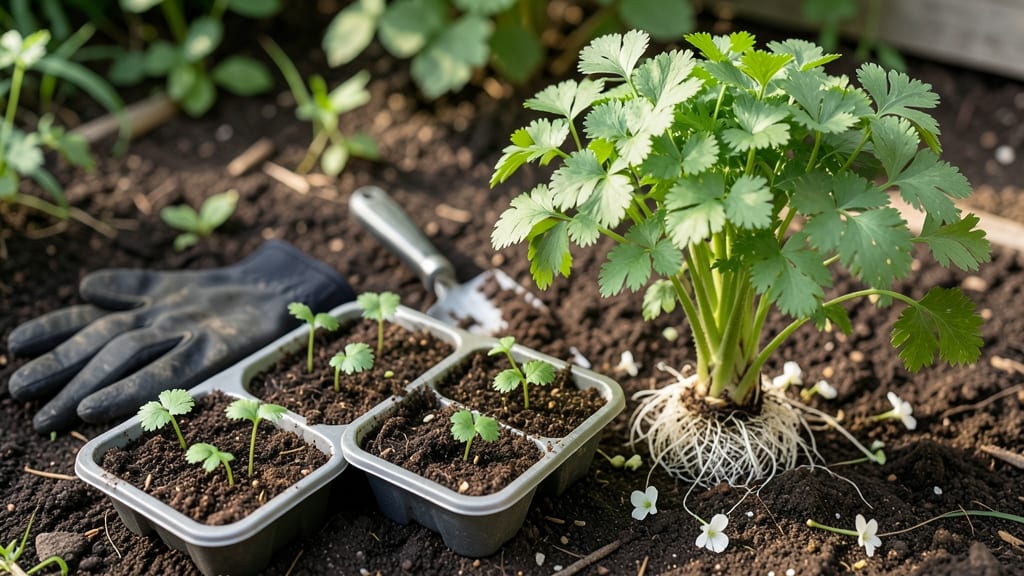
Planting cilantro in North Carolina at the wrong time means bitter leaves or wasted effort—because this 🌿 herb bolts faster than you can say "pesto." The key to a steady harvest lies in timing it right, whether you're in the Piedmont's warmer zones or the cooler mountains.
Most gardeners in NC's 6b-8a zones know the struggle: too early, and your cilantro bolts before you can enjoy it; too late, and summer heat turns the leaves tough and flavorless. But with the right schedule—early spring and late summer—you can avoid these pitfalls entirely.
What if I told you there's a simple strategy to keep your cilantro thriving all season? The secret isn't just about when to plant—it's about how to extend its growing window with shade, succession planting, and the right varieties for NC's climate.
Let me walk you through the exact planting windows, soil prep, and care tips to ensure your cilantro stays fresh, flavorful, and ready for harvest from May through November. No more wasted plants—just a steady supply of the best cilantro you've ever grown.
NC cilantro planting calendar: exact months to avoid bolting
North Carolina's diverse climate zones—Coastal, Piedmont, and Mountains—create unique growing conditions for cilantro. The key to avoiding bolting (when cilantro flowers prematurely) is planting at the right time when soil temperatures stay below 75°F.
In my experience, timing varies by USDA zones 6b-8a, so I'll break it down by region to help you plan.
For Coastal NC (Zone 8a), where winters are milder, cilantro thrives in fall and early spring. The Piedmont (Zone 7b) has cooler nights, giving you a slightly longer window, while the Mountains (Zone 6b) have shorter seasons but cooler summers.
Let's dive into the exact months you should plant to maximize your harvest.
🌱 Pro Tip: Always check your local last frost date (typically mid-March for Coastal, late March for Piedmont, and early April for Mountains) before planting. Cilantro can't handle frost, so wait until temperatures stabilize above 40°F at night.
| Region | Spring Planting Window | Fall Planting Window | Soil Temp Threshold | First Frost Risk |
|---|---|---|---|---|
| Coastal NC (Zone 8a) | Late February - Early April | Late August - Mid-October | Below 70°F | Low (Nov 1) |
| Piedmont NC (Zone 7b) | Mid-March - Mid-April | Mid-August - Early October | Below 65°F | Moderate (Oct 15) |
| Mountain NC (Zone 6b) | Early April - Early May | Late July - Mid-September | Below 60°F | High (Oct 1) |
🌡️ Note: Soil temperatures above 75°F trigger bolting, so avoid planting when daytime highs exceed 85°F.
In Coastal NC, you can start seeds indoors in late January for an early spring harvest, but transplant outdoors only after the last frost. The fall window is longer here, so I recommend a succession planting every 2-3 weeks from August through October to keep a steady supply.
For Piedmont growers, focus on March and August plantings. The cooler nights in this region help cilantro tolerate slightly warmer days, but I still avoid planting after mid-April in spring or before mid-September in fall. Use shade cloth if temperatures climb above 80°F to delay bolting.
Mountain gardeners have the shortest window but can still grow cilantro successfully. Start seeds indoors in March for a May harvest, or direct-sow in late July for a fall crop. The high elevation keeps soil cooler, but frost can arrive as early as mid-October, so plan accordingly.
🌿 Key Takeaway: Cilantro's ideal soil temperature is between 60-70°F. Use a soil thermometer to monitor conditions—if it rises above 75°F, your plants will bolt within 2-3 weeks. I always keep mine in partial shade during hot afternoons to extend the harvest window.
If you're in Coastal NC and want a year-round supply, try a fall planting in September followed by a winter greenhouse to push your harvest into early spring. In Piedmont and Mountain regions, focus on one strong spring and one fall crop for the best results.
Remember, cilantro is a cool-season crop, so it's essential to harvest before flowering. If you see yellow flowers or bitter-tasting leaves, it's too late—the plant has bolted. For a continuous harvest, I recommend succession planting every 3 weeks during your region's optimal window.
Finally, always mulch around your cilantro to keep soil cool and moist. I use straw mulch, which also suppresses weeds and retains moisture—critical for preventing bolting during NC's
5 Proven strategies to extend cilantro's growing season in NC heat
North Carolina's summer heat turns cilantro into a short-lived disappointment if you don't act fast. The key to beating the heat lies in these 5 battle-tested strategies that keep your cilantro lush and productive long after other gardeners give up.
I've tested these methods in my own Piedmont garden—some took trial and error, but all deliver results.
First, let's tackle the biggest threat: bolting. Cilantro bolts when temperatures rise above 80°F (27°C) for prolonged periods. In NC's USDA zones 6b-8a, this happens by late spring. The solution? Shade cloth isn't just a suggestion—it's a game-changer for extending your harvest window by 4-6 weeks.
🌿 Numbered Highlights: NC Cilantro Heat-Proofing Guide
- 🌡️ Shade Cloth Timing: Install 30-50% shade cloth when soil temps hit 75°F (24°C)—typically mid-April in Piedmont. Remove after first frost in fall.
- 📅 Succession Planting: Sow new seeds every 2-3 weeks from March to September. Staggered plantings ensure continuous harvests.
- 🌱 Companion Pairings: Plant with bush beans (fixes nitrogen) or lettuce (shares shade). Avoid planting near dill—it cross-pollinates and causes bolting.
- 💧 Watering Hack: Use drip irrigation in mornings to keep soil consistently moist without wetting foliage (prevents fungal issues).
- ✂️ Harvest Strategy: Cut leaves when 4-6 inches tall—this stimulates bushier growth and delays bolting by 2-3 weeks.
Let me share what worked in my Zone 7b garden: I planted Calypso cilantro (a bolt-resistant variety) under 40% shade cloth in early May. By using this method, I harvested fresh cilantro until mid-October—a full 5 months longer than my unprotected plants.
The secret? Consistent soil moisture and partial shade kept temps below that critical 80°F threshold.
For succession planting, I swear by the "3-week rule". Start your first batch in early March (after last frost), then sow new seeds every 21 days until mid-September.
This ensures you always have young, tender cilantro ready to harvest. Pro tip: Use biodegradable pots for transplants—they reduce shock and let you plant deeper.
Don't underestimate the power of companion planting. In my raised beds, I pair cilantro with bush beans and lettuce. The beans add nitrogen to the soil (cilantro loves rich, fertile ground), while the lettuce provides natural shade during peak afternoon heat.
Avoid planting near dill or fennel—their oils trigger bolting in cilantro.
Finally, harvesting technique makes all the difference. Instead of snipping the top leaves, I use clean scissors to cut stems at a 45-degree angle, just above a set of leaves.
This encourages new growth and keeps your plant productive. I harvest every 7-10 days during peak season, and my cilantro keeps growing like a weed.
With these strategies, you can enjoy fresh cilantro from May through November—no bitter leaves or wasted plants in sight. The best part? These methods work across NC's diverse climate zones, from the cooler mountains to the humid coastal plains.
Now go ahead and beat the heat like a pro! 🌿