
Plants
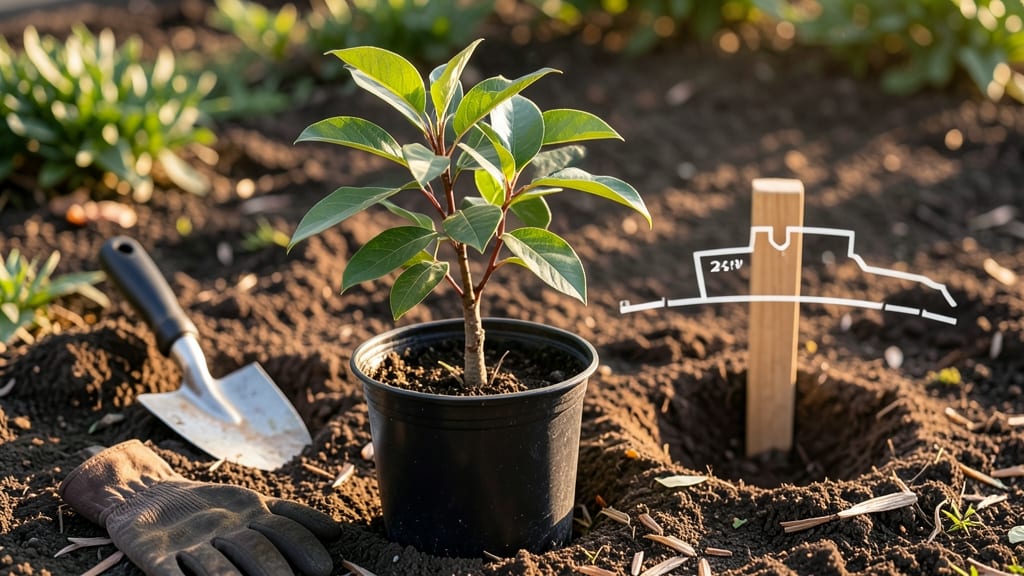
Planting your crepe myrtle 🌸 at the wrong time in North Carolina can mean the difference between a thriving tree and one that struggles to take root.
The key to success lies in understanding when to plant crepe myrtles in North Carolina—because timing affects everything from root growth to winter survival.
Most gardeners in zones 6a-8b know spring and fall are the ideal windows, but did you know the exact months matter? Planting too early in spring risks frost damage, while late fall planting can leave roots exposed before winter sets in.
Let’s break down the best months for your region and how to tell when your soil is truly ready.
Whether you’re planting in the ground or containers, the right timing ensures your crepe myrtle establishes strong roots before summer heat or winter chill hits. I’ll share the zone-specific planting schedule, soil temperature tips, and how to adjust for North Carolina’s coastal vs. Piedmont microclimates.
Ready to avoid common mistakes and give your tree the best start? Stick around—I’ll walk you through everything you need to know for a healthy, long-lived crepe myrtle that blooms beautifully every season.
Best planting months for crepe myrtles in North Carolina by USDA Zone
North Carolina's USDA Zones 7-8 create perfect conditions for crepe myrtles, but timing your planting is critical for strong root establishment. These stunning trees thrive when planted during optimal temperature windows, avoiding both frost risks and summer heat stress.
In most of the state, your best planting windows are late winter through early spring or early fall—each with distinct advantages for your crepe myrtle's long-term health.
For spring planting (most common), aim for March through April after your last average frost date (typically mid-March in most regions). This gives roots 6-8 weeks of warm soil before summer's peak.
In Zone 8 areas like the Coastal Plain, you might extend planting into early May, but avoid planting when soil temperatures exceed 80°F.
Fall planting offers cooler soil temperatures and reduced transplant shock, with September through October being ideal. By planting in fall, your crepe myrtle establishes roots before winter dormancy, giving it a head start next spring.
However, avoid planting when frost is forecasted within 4-6 weeks, as young roots are vulnerable to cold snaps.
| USDA Zone | Best Planting Window | Soil Temp Requirement | Frost Risk | Root Establishment Time |
|---|---|---|---|---|
| Zone 7a-7b (Mountains/Piedmont) | March 20 - April 15 | 55°F - 65°F | High (last frost ~March 15) | 6-8 weeks |
| Zone 7b-8a (Coastal Plain) | March 1 - April 30 | 60°F - 70°F | Moderate (last frost ~March 1) | 7-9 weeks |
| Zone 8a-8b (Coastal/Southeast NC) | February 28 - May 15 | 65°F - 75°F | Low (last frost ~February 15) | 8-10 weeks |
| Fall Window (All Zones) | September 1 - October 15 | 60°F - 70°F | Moderate (first frost ~November 15) | 8-12 weeks |
In Zone 7 (mountainous regions like Asheville or Boone), your planting window is shorter due to earlier frosts. Rush your spring planting by April 15 to avoid summer heat stress, and complete fall plantings by October 1 to prevent winter damage.
For Zone 8 areas (coastal regions like Wilmington or Morehead City), you have more flexibility—planting through May is often successful if you keep soil moist.
One common mistake is planting crepe myrtles too early in spring when soil is still cold. Roots struggle to establish in below 55°F soil, leading to stunted growth. Use a soil thermometer to confirm temperatures are consistently above 60°F before planting.
For container-grown trees, you can plant slightly earlier (by 1-2 weeks) since their root balls warm faster.
North Carolina's humid summers create another critical factor: planting in late afternoon or early evening helps reduce transplant shock from evaporation. Water deeply at planting (about 1-2 gallons for young trees) and maintain consistent moisture for the first 30 days.
Mulching with 2-3 inches of organic mulch helps retain soil moisture and regulate temperatures.
For container planting, your timing is slightly more flexible since you can move pots to shade during heatwaves. However, transplant container-grown crepe myrtles into the ground during the same spring/fall windows as bare-root trees.
Container roots are more sensitive to temperature fluctuations, so avoid planting when nighttime temps drop below 50°F.
Pro tip: If you miss the ideal windows, bare-root crepe myrtles can sometimes be planted in late fall (November) in Zone 8, but protect them with burlap wraps if frost
Signs your North Carolina soil is ready for crepe myrtle planting
Your crepe myrtle 🌸 won’t thrive if planted in cold, soggy, or still-frosty soil. The right conditions mean the difference between a tree that struggles and one that grows strong roots and blooms beautifully. In North Carolina, soil temperature, moisture levels, and frost-free confirmation are your top clues.
Crepe myrtles need soil that’s warmed to at least 60°F—this encourages root growth and prevents shock. If you plant too early, roots can freeze, stunting your tree for years.
Meanwhile, overly wet soil suffocates roots, while dry soil makes it hard for young plants to establish. Let’s explore the key signs your soil is perfect for planting.
- 1 Soil temperature reaches 60°F+: Use a soil thermometer to check. In NC, this typically happens by mid-April in most zones, but coastal areas may wait until May.
- 2 Frost-free period confirmed: Wait until after the average last frost date (March 15 in Piedmont, later in mountains). Check your local NC State Climate Office for updates.
- 3 Moist but well-draining soil: Press your finger 2 inches deep—soil should feel damp but not soggy. If it’s dry, water deeply 24 hours before planting to help roots settle.
- 4 No standing water: Crepe myrtles hate "wet feet." If your yard pools after rain, amend with compost or sand to improve drainage before planting.
- 5 Daytime highs stay above 65°F: Consistent warmth signals roots can grow actively. In NC’s Zone 7b, this usually aligns with late April; in Zone 8a, it’s often March.
For a quick DIY soil test, dig a small hole (6 inches deep) and feel the soil. If it’s cool to the touch, wait a few more days. If it’s warm and crumbly, your crepe myrtle is ready to go in!
Pro tip: Early morning is the best time to check—soil cools overnight, so daytime warmth is a better indicator.
Remember, fall planting (September-October) also works if you’re in a warmer zone like Zone 8b. Just ensure roots have time to establish before the first frost. In colder zones, stick to spring planting after the last frost date to avoid winter stress.
Once you’ve confirmed these signs, your crepe myrtle will have the perfect start—strong roots, vibrant blooms, and years of beauty in your NC landscape. Happy planting! 🌱