
Plants
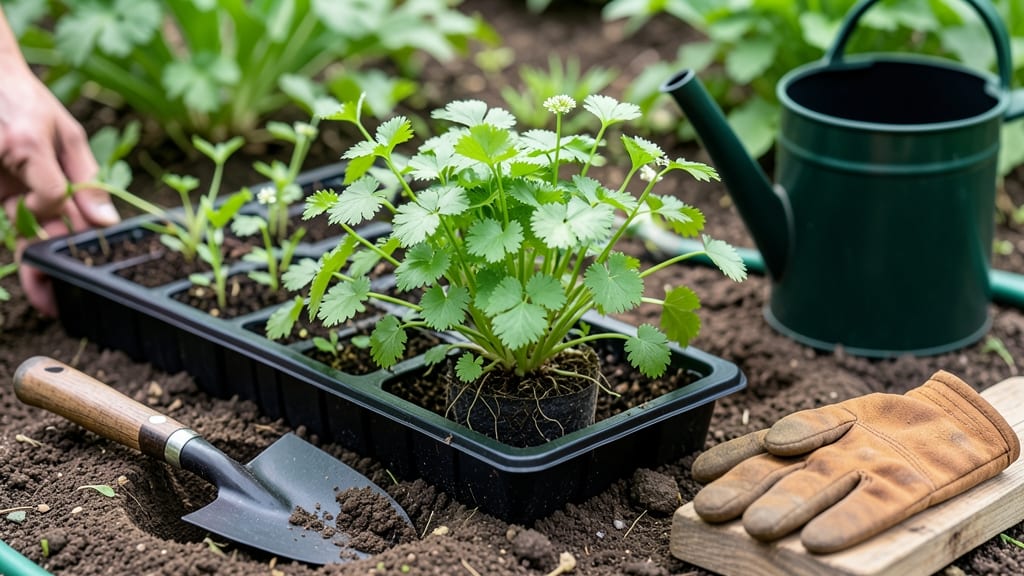
Planting cilantro in Ohio at the wrong time means either freezing seedlings or watching your crop bolt into bitter flowers before you can harvest. The key to success lies in understanding Ohio's Zone 6a frost dates—where timing can mean the difference between a thriving 🌿 cilantro patch and a failed experiment.
Most Ohio gardeners know cilantro thrives in cool weather, but many still struggle with when to actually start seeds or transplant seedlings.
The answer isn't just about avoiding frost—it's about working with Ohio's 165-day frost-free window, which gives you two prime planting opportunities: early spring (March-April) and late summer (August-September).
Why does this matter? Because cilantro hates heat—temperatures above 75°F trigger bolting, turning your fresh herb into a sad, bitter mess. I've learned the hard way that planting too early risks frost damage, while planting too late risks losing your crop to summer's wrath.
The solution? Strategic timing paired with shade and soil prep.
In this guide, I'll walk you through Ohio's exact planting deadlines, how to extend your cilantro's growing season, and the simple tricks that keep your plants lush and harvest-ready. Let's get those seeds in the ground at the perfect moment—before the weather ruins your plans.
Ohio cilantro planting calendar: exact frost-free deadlines by month
Ohio’s Zone 5-6 climate creates a tight window for growing cilantro—too early, and frost zaps seedlings; too late, and summer heat sends it bolting. The key is planting between March and April for spring harvests and August to September for fall crops.
These deadlines align with Ohio’s average last frost (April 15–May 15) and first frost (October 15–November 1).
Cilantro thrives in cool weather (50–75°F), making spring and fall the ideal seasons. Summer’s 90°F+ temperatures trigger bolting (flowering), turning your herb into a bitter, seed-producing plant. For summer success, choose heat-tolerant varieties like ‘Calypso’ or ‘Santo’ and provide afternoon shade.
Here’s your Ohio cilantro planting calendar, broken down by month with frost-free deadlines and variety recommendations:
| Season | Planting Window | Frost Risk | Best Varieties | Harvest Time |
|---|---|---|---|---|
| Spring | March 1–April 15 | Low (after April 15) | ‘Santo’, ‘Calypso’ | May–June |
| Summer (Shade) | June 1–July 15 | None | ‘Slow Bolt’ | July–August |
| Fall | August 1–September 15 | Low (before Oct 15) | ‘Leisure’ | October–November |
For spring planting, start seeds indoors 4–6 weeks before your last frost date (early February). Transplant seedlings outdoors when soil reaches 50°F and nighttime temps stay above 40°F. Use row covers if late frosts threaten—cilantro seedlings are delicate.
In summer, cilantro’s biggest enemy is heat. If you attempt a summer crop, plant in partial shade (3–4 hours of morning sun) and keep soil consistently moist. Mulch with straw or shredded leaves to insulate roots from heat spikes. Succession planting every 2 weeks ensures a steady supply.
Fall planting offers Ohio’s best cilantro success because cooler temps delay bolting. Aim to harvest before October 15, when first frosts arrive. Extend the season by sowing slow-bolting varieties like ‘Leisure’ and protecting plants with cold frames or row covers during early frosts.
Pro tip: Test your soil pH before planting—cilantro prefers 6.2–6.8. Amend heavy clay soil with compost or sand to improve drainage, which prevents root rot in Ohio’s humid summers. Well-draining soil is non-negotiable for healthy cilantro.
Remember, cilantro’s harvest window is tight. Once it bolts, the leaves turn bitter and seed stalks form. Harvest outer leaves first, cutting just above a leaf node to encourage regrowth. With precise timing, you’ll enjoy fresh cilantro from May through November in Ohio.
🌱
How to extend cilantro’s growing season in Ohio’s hot summers
Ohio’s summer heat turns cilantro into a finicky plant—it either bolts too fast or wilts under the sun. The key to success? Heat-resistant varieties and strategic growing conditions. I’ve found that ‘Calypso’ and ‘Santo’ cilantro varieties handle Ohio’s Zone 5-6 summers better than standard types.
These varieties stay leafy longer, giving you more harvest time before the heat sends them into bolting mode.
Another game-changer is shade cloth. A 30-40% shade cloth reduces soil and air temperatures by 10-15°F, which is enough to prevent bolting. I install mine in late May when daytime highs hit 85°F or higher.
It’s a simple setup—just drape it over a hoop or trellis—and it buys you 4-6 extra weeks of usable cilantro before the heat becomes unbearable.
Here’s the trade-off: shade cloth keeps cilantro cooler but also blocks some sunlight, which cilantro needs for growth. The solution? Succession planting—sow new seeds every 2-3 weeks in late spring and early summer.
This way, you always have fresh plants coming in while the older ones thrive under partial shade.
Extending Cilantro’s Summer Growing Season in Ohio
| Strategy | Pros | Cons |
|---|---|---|
| Heat-Resistant Varieties | Bolts slower; more harvest time | Harder to find; may still bolt |
| 30-40% Shade Cloth | Prevents bolting; extends season | Reduces sunlight; slower growth |
| Succession Planting | Continuous harvest; no gaps | More seeds; extra maintenance |
| Cooler Root Zones | Slows bolting; healthier plants | Requires mulch; extra prep work |
Don’t overlook soil preparation—cilantro roots stay cooler in moist, well-draining soil. Before planting, I mix in 2-3 inches of compost and top it with 1-2 inches of mulch (straw or shredded leaves work well).
This keeps roots 5-10°F cooler than surface temps, which is critical in Ohio’s 90°F+ summers. Water deeply early in the morning to avoid evaporation and fungal issues.
For late-summer plantings, aim for mid-August when temperatures start to dip slightly. Use shade cloth again if heatwaves persist, and harvest leaves before 10 AM when oils are at their peak flavor.
If you miss this window, don’t worry—cilantro also thrives in fall, so plan a second planting in early September for a late-season harvest.
With these strategies, I’ve managed to grow cilantro year-round in Ohio, even through the dog days of summer. The secret? Balance—combine heat-resistant varieties, shade, and succession planting to keep your cilantro happy and productive.
Just remember: cilantro is a cool-season crop at heart, so don’t push it too hard in the heat!