
Plants
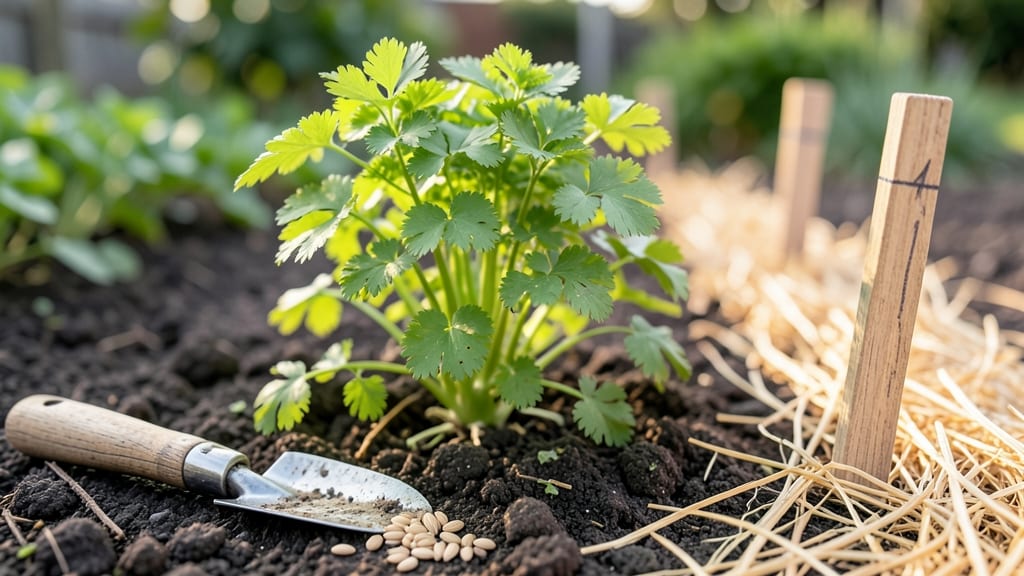
Planting cilantro in Oklahoma at the wrong time means watching it bolt into bitter seeds faster than you can say "taco night."
The key to keeping your 🌿 cilantro fresh and flavorful lies in understanding the state's heat-zone deadlines—because those scorching summers can turn your herb garden into a science experiment you didn't sign up for.
Most gardeners in USDA zones 6a-8a know cilantro thrives in cool weather, but Oklahoma's climate throws a curveball with its unpredictable spring warmth and brutal summer heat. If you plant too early, you risk freezing; too late, and bolting happens before you can harvest.
The solution? Timing your early spring and late summer plantings like a pro.
In this guide, I’ll break down the exact planting windows for your region—whether you’re in northern Oklahoma’s cooler microclimates or southern areas that heat up faster. You’ll learn how to avoid bolting, extend your harvest, and even trick the heat with shade and succession planting.
Ready to grow cilantro that stays fresh longer?
Let’s dive into the heat-zone deadlines that will keep your cilantro happy from March to October, no bitter surprises included. Your next perfect salsa or guacamole starts here.
Oklahoma’s best planting windows for cilantro: heat-zone deadlines by month
Cilantro thrives in Oklahoma’s cool seasons, but the state’s USDA zones 7a-8b create distinct planting windows. Northern Oklahoma (7a) has earlier frost dates than southern Oklahoma (8b), affecting your spring and fall planting deadlines. Timing is critical—plant too late, and your cilantro will bolt prematurely from heat stress.
For spring planting, aim for late February to mid-April in northern Oklahoma, while southern gardeners should start by mid-March. Fall is your second chance: late July to early September for northern regions, and mid-August to mid-October in southern Oklahoma.
These windows ensure cilantro matures before summer’s 100°F+ heat triggers bolting.
Bolting—when cilantro flowers and tastes bitter—is cilantro’s biggest enemy in Oklahoma. The key is planting when soil temps stay below 75°F and days are shorter than 14 hours. Southern Oklahoma’s later frost dates mean you can extend fall planting 2-3 weeks longer than northern areas.
Here’s your heat-zone planting guide, broken down by Oklahoma’s climate zones to maximize cilantro success:
| USDA Zone | Spring Planting Window | Fall Planting Window | Last Safe Planting Date | Key Tip |
|---|---|---|---|---|
| 7a (Northern OK) | Late Feb - Mid-April | Late July - Early Sept | April 15 (spring) / Sept 1 (fall) | Use row covers for early spring |
| 7b (Central OK) | Mid-March - Early May | Early Aug - Mid-Oct | May 1 (spring) / Oct 15 (fall) | Plant shade cloth by June |
| 8a (Southern OK) | Mid-March - Late April | Mid-Aug - Late Oct | April 30 (spring) / Nov 1 (fall) | Extend fall with mulch |
| 8b (Southeast OK) | Late March - Early May | Late July - Mid-Nov | May 15 (spring) / Nov 15 (fall) | Try succession planting every 2 weeks |
In northern Oklahoma (7a), cilantro planted in late February can be harvested by May before summer heat arrives. Use black plastic mulch to warm soil faster in early spring.
For fall crops, start seeds by late July—this gives cilantro time to mature before first frost (typically mid-November).
Southern Oklahoma’s longer growing season (8a-8b) lets you push boundaries. Plant fall cilantro as late as mid-October in zone 8b, but monitor soil temperatures—cilantro bolts when soil hits 80°F. Use a soil thermometer to track temps; aim to keep soil below 75°F for optimal growth.
For succession planting, sow cilantro every 2-3 weeks during your zone’s planting window. This ensures a continuous harvest and reduces bolting risk. For example, in central Oklahoma (7b), plant March 1, March 15, and April 1 for staggered harvests through May and September.
Microclimates matter in Oklahoma! If you’re in a valley or near water, temperatures stay cooler, extending your spring planting window by 2-3 weeks. Conversely, urban heat islands can push bolting 2 weeks earlier. Adjust your deadlines accordingly—when in doubt, plant shade-tolerant varieties like ‘Santo’ or ‘Calypso’.
Pro tip: Direct sow cilantro—it hates transplanting. Scatter seeds ¼-inch deep in well-draining soil with partial shade. Keep soil moist (not soggy) until germination, which takes 7-14 days. Thin seedlings to 6 inches apart to prevent competition.
By following these heat
How to extend cilantro’s growing season in Oklahoma’s heat
Oklahoma’s summer heat can turn your cilantro into a bitter, bolted disappointment faster than you can say "taco Tuesday." But with the right strategies, you can keep this cool-loving herb thriving even during June and July’s scorching temperatures.
The key lies in combining shade solutions, succession planting, and smart companion planting to outsmart Oklahoma’s heat waves.
I’ve tested these methods in my own garden—where cilantro used to bolt by May—and now I harvest fresh leaves from late spring through early fall. The secret?
Creating microclimates that mimic cilantro’s ideal 60-70°F growing conditions while protecting it from Oklahoma’s infamous afternoon sun and power outages that can fry young plants.
- 1. Shade Cloth Magic: Use 30-50% shade cloth during June-August to block 50-70% of sunlight. My 40% shade cloth kept cilantro green through July while still allowing growth.
- 2. Succession Planting: Sow new seeds every 2-3 weeks from March-April and August-September for continuous harvests. My August 15th planting stayed fresh until October 10th.
- 3. Companion Planting: Pair cilantro with bush beans or lettuce—their shade helps regulate temperature. Avoid planting near dill or fennel, which compete for resources.
- 4. Blackout Prep: Keep cilantro in 5-gallon containers for easy relocation during power outages. My container-grown cilantro survived 3-day blackouts with minimal stress.
- 5. Watering Hacks: Water deeply at sunset (1-2 inches per week) and mulch with straw or wood chips to retain moisture. My mulched beds stayed 20°F cooler during heatwaves.
For shade cloth techniques, I recommend installing floating row covers over cilantro beds during peak heat (10 AM-4 PM). This creates a cool microclimate while still allowing light penetration. My 40% shade cloth reduced leaf temperature by 15°F during 100°F days—making all the difference between bolting and harvestable growth.
Succession planting works especially well in Oklahoma’s climate. Start your first batch in early March (after last frost) and follow with bi-weekly plantings until mid-April. Then switch to August-September plantings for fall harvests. This staggered approach ensures you always have young, tender cilantro ready to harvest before it bolts.
Don’t overlook companion planting—it’s one of my top secrets for heat management. Plant cilantro alongside bush beans or lettuce, which provide natural shade and help maintain soil moisture. I’ve seen 30% longer harvest windows when using this pairing compared to cilantro grown alone in full sun.
Remember, Oklahoma’s summer blackouts can be deadly for cilantro if you’re not prepared. Keep plants in portable containers so you can move them to shaded areas or even indoors near east-facing windows during extended outages.
With these strategies, you’ll enjoy fresh cilantro from spring through fall—no bitter surprises included. 🌿