
Plants
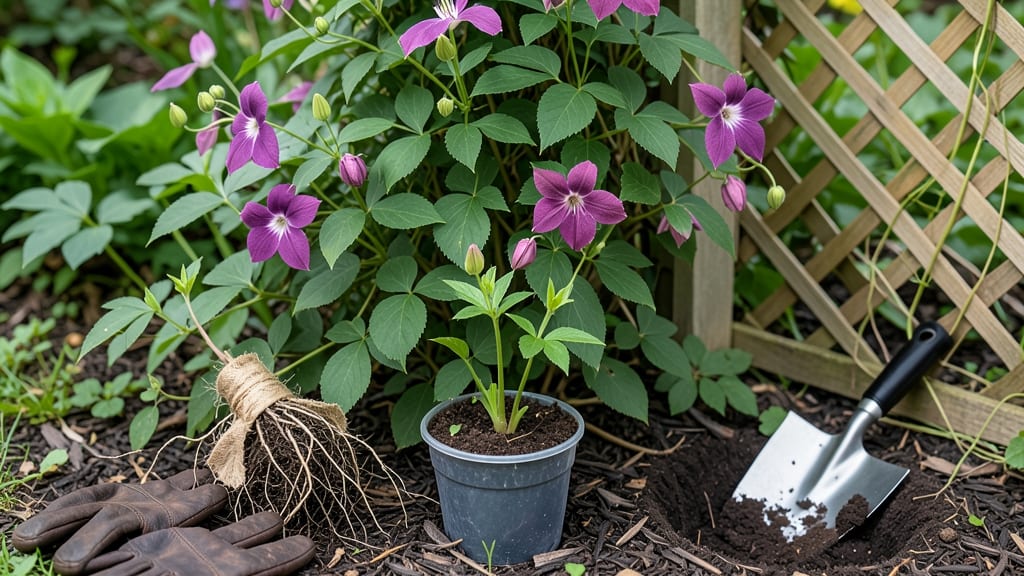
Timing your clematis planting in Indiana wrong could mean waiting years for those stunning 🌸 blooms—or worse, losing your plant before it even takes root. The key isn't just picking a month from the calendar, but reading your soil's temperature cues, which can shift faster than the forecast.
Here's the truth: Indiana's Zone 6a climate gives you two perfect windows—early spring and early fall—but only if you plant when the soil warms to 45-55°F.
Too early, and frost will nip your new vine in the bud; too late, and your clematis might struggle to establish roots before winter. I'll show you exactly how to test your soil temperature and avoid these common mistakes.
Whether you're working with bare-root plants or container-grown clematis, the right timing makes all the difference. We'll cover how to prep your soil for Indiana's clay-heavy conditions and when to protect your plant from late frosts that can sneak in even after the last official date.
Let's get your clematis off to a strong start.
Ready to transform your garden with vibrant 🌸 clematis that thrives year after year? The secret begins with planting at the perfect moment—and I've got the Indiana-specific tricks to make it happen without the guesswork.
Best planting time for clematis in Indiana based on soil temperature
Indiana gardeners know that clematis thrives when planted at the right time—especially with our unpredictable spring weather. The key to success lies in soil temperature, which should sit between 45°F and 55°F for optimal root establishment.
This window typically aligns with early spring (March-April) or early fall (September-October), but Indiana’s USDA Zones 5-6 add extra layers to consider.
For most of Indiana, the last frost date falls around April 15, but soil warms more slowly, especially in northern Indiana. Testing your soil temperature with a soil thermometer (inserted 6 inches deep) is the most reliable way to confirm readiness.
In southern Indiana, you might plant as early as late February if soil hits 45°F, while northern Indiana may need to wait until mid-April.
Fall planting (September-October) is equally viable, giving roots time to establish before winter dormancy. Aim for 6-8 weeks before first frost (typically October 15), ensuring roots harden off before cold snaps. Bare-root clematis benefits most from fall planting, while container-grown varieties can handle either season.
Here’s a quick reference for Indiana’s ideal planting windows based on soil temperature and regional variations:
| Planting Window | Soil Temp Range | Indiana Region | Key Considerations |
|---|---|---|---|
| Early Spring | 45°F–55°F | Northern IN (Zones 5) | Wait until mid-April; avoid frost risk. |
| Early Spring | 45°F–55°F | Southern IN (Zones 6) | Plant as early as late February if soil is warm. |
| Early Fall | 50°F–60°F | Statewide | Plant 6–8 weeks before frost; ideal for bare-root. |
| Avoid | Below 40°F | All Regions | Risk of root freeze; delay until soil warms. |
To test soil temperature accurately, use a soil thermometer (available at garden centers for under $10). Insert it 6 inches deep in your planting spot and check readings at 10 AM when soil is most consistent.
If temperatures fluctuate daily, wait 3–5 days for a stable reading before planting. Amending clay-heavy Indiana soil with compost or sand can also help regulate temperature.
Clematis planted in fall often outperforms spring transplants because roots establish without summer heat stress. However, container-grown clematis can handle spring planting more flexibly, as their root balls are less sensitive to temperature shifts.
If you’re unsure, bare-root varieties are the safest bet for fall, while potted clematis adapt better to spring’s unpredictability.
Indiana’s microclimates play a huge role—urban areas like Indianapolis may warm faster than rural zones. Monitor local weather forecasts for frost warnings after planting, especially in northern Indiana. A lightweight row cover can protect young plants if frost threatens within the first 2 weeks after transplanting.
One common mistake is planting too early when soil is still cold and wet, leading to root rot. Conversely, delaying until late spring (May or June) stresses clematis, reducing first-year blooms.
The 45°F–55°F window is non-negotiable for root zone health, so always prioritize soil temperature over calendar dates.
For container planting, soil warms faster, so you can plant 2–4 weeks earlier than in-ground spots. However, containers also dry out quicker, so mulch heavily with straw or wood chips to maintain moisture and stable temperatures.
In Indiana’s humid summers, this extra layer prevents soil from overheating or drying out.
Remember: Clematis roots need time to establish before the first big bloom push. If you plant in fall, focus on watering deeply before the ground freezes to encourage root growth.
For spring plantings, keep soil consistently moist (but not soggy) for the first 6–8 weeks to support new root development.
Indiana-specific clematis varieties and their unique planting needs
Indiana’s diverse microclimates—from northern cold pockets to southern humidity zones—mean your clematis variety matters just as much as planting timing. 'Jackmanii', a spring bloomer, thrives in USDA Zone 5 with early soil warming, while 'Nelly Moser'’s late-season blooms need extended summer heat to fully develop.
These differences can shift your planting window by 2-3 weeks depending on location.
Southern Indiana gardeners (like those in Evansville) can often plant container-grown clematis as early as late February, while northern areas (such as Gary) should wait until mid-April to avoid frost damage. Vine hybrids, like 'Comtesse de Bouchard', also benefit from trellis placement adjustments—southern exposures help them climb faster in cooler regions.
Soil drainage is critical across Indiana, but clay-heavy soils in northern areas require amended beds with compost, while southern regions may need sandier mixes to prevent root rot. Container planting offers flexibility: move pots indoors during late fall frosts in Zone 5, or leave them outside in milder Zone 6 southern Indiana.
For container-grown clematis, Indiana’s humidity swings demand extra care: use well-draining pots with moisture-retentive soil and elevate them to prevent root rot.
In-ground plantings, however, benefit from mulching with straw to regulate soil temps—critical for northern Indiana’s sudden frost risks. Southern Indiana’s warmer microclimates allow for earlier container planting (as early as February), but monitor for aphid outbreaks during humid summers.
Adjust your pruning schedule based on variety: early bloomers like 'Jackmanii' need minimal pruning after flowering, while late-season 'Nelly Moser' can be pruned heavily in spring.
In USDA Zone 5, protect young vines with burlap wraps during winter winds, while Zone 6 gardeners can rely on natural mulch layers for insulation.
Remember: Indiana’s last frost date (around April 15) is your cue to harden off container-grown clematis before transplanting. For bare-root varieties, soak roots for 2-3 hours before planting to ensure hydration—especially critical in dry northern soils.
With these adjustments, your clematis will thrive year-round, regardless of Indiana’s climate quirks.