
Plants
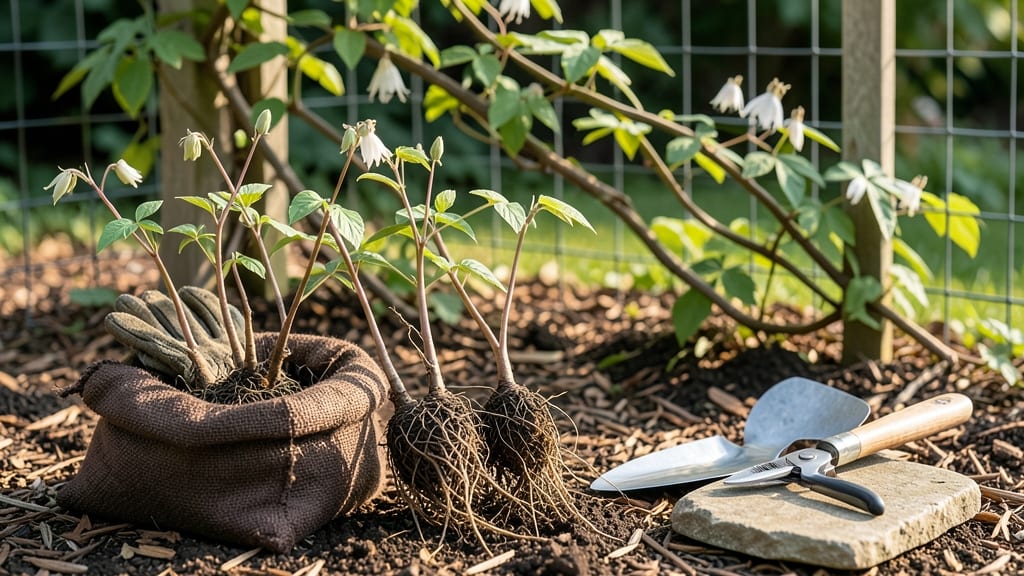
Planting clematis in Zone 8 at the wrong time could mean the difference between a stunning 🌸 display and struggling vines that never quite thrive. The key isn't just picking a month—it's understanding how your local climate affects root growth before summer's relentless heat kicks in.
Most gardeners in Zone 8 know spring planting is ideal, but what about the late winter window or even fall options?
I'll break down the science behind why February-March gives your clematis the best head start, plus how to adjust for coastal vs. inland microclimates where frost dates vary by weeks.
You'll also discover why container planting can be a game-changer for Zone 8's heat-prone summers, giving you more control over soil moisture and temperature. Plus, I'll share the 3 signs your planting timing might be off—and how to fix it before it's too late.
Whether you're a first-time clematis grower or a seasoned gardener looking to optimize your Zone 8 plants, these insights will help you time your planting for maximum blooms and minimal stress. Let's get those roots established the right way.

Optimal planting months for clematis in Zone 8: root growth before summer heat
Clematis in Zone 8 faces a unique challenge: mild winters and intense summer heat. Planting at the wrong time can trigger heat stress or shallow root growth, leading to weak vines and sparse blooms. The ideal window focuses on soil temperature thresholds that encourage deep root establishment before summer arrives.
Scientifically, clematis roots thrive when soil temps stay between 45°F and 60°F. This range aligns perfectly with late winter to early spring (February–March) in most Zone 8 regions. Cooler soil prevents transplant shock while allowing roots to spread aggressively before the heat sets in.
Here’s why timing matters: Clematis planted in summer heat (April–May) often suffers from wilting and leaf scorch because its roots can’t absorb enough moisture. Conversely, fall planting (September–October) offers a backup window—but only if your region’s first frost arrives after early November.
Soil temperature is the critical factor. Use a soil thermometer to confirm temps are ideal before planting. For Zone 8’s inland areas (like Las Vegas or Phoenix), aim for February planting. Coastal areas (like San Diego) can extend to early March due to milder microclimates.
🌱
Fall planting in Zone 8 works best in September when daytime highs remain below 85°F. Planting in October is riskier unless you’re in a cooler microclimate, like higher elevations. The goal is to give roots 6–8 weeks to establish before winter dormancy.
If you miss the spring window, don’t panic—container planting offers flexibility. Potted clematis can be planted in late spring (April) as long as you provide afternoon shade and consistent watering. However, expect slower initial growth compared to roots established in cooler soil.
Pro tip: Pair your clematis with a heat-tolerant companion plant, like Russian sage or lavender, to create a microclimate that retains moisture and reduces stress on young roots during Zone 8’s summer heat.
For container-grown clematis, adjust your planting timeline by 2–4 weeks later than in-ground plants. Pots heat up faster, so monitor soil moisture closely and use self-watering containers to prevent drought stress.
🌿
Remember: The first 30 days after planting are critical. Focus on deep watering (1–2 inches per week) and mulching with 3–4 inches of organic matter to insulate roots. Avoid fertilizing until new growth appears—nitrogen-heavy feeds can burn tender roots in warm soil.
By aligning your planting with soil temperature thresholds and Zone 8’s microclimates, you’ll set your clematis up for vibrant blooms and decades of growth. The key? Cool soil + patience—never rush it.
☀️
How to prepare soil and site for clematis in Zone 8’s climate
Zone 8’s hot summers and mild winters demand special attention when preparing soil for clematis. These vines need well-draining yet moisture-retentive soil to thrive without succumbing to root rot or heat stress. Start by testing your soil’s pH level—clematis prefers 6.0 to 7.0, slightly acidic to neutral.
If your soil is heavier clay or sandy, amend it with organic matter like compost or aged manure to improve structure and fertility.
Before planting, clear the area of weeds and debris to reduce competition for nutrients. Clematis roots spread widely, so give your plant at least 3 to 4 feet of space from other plants or structures.
If planting near a trellis or arbor, ensure the support is sturdy enough to handle the vine’s 8 to 20-foot mature height. A south-facing wall can provide afternoon shade, protecting delicate foliage from intense Zone 8 sun.
⚠️ Critical Warning: Avoid Planting in Extreme Heat
Zone 8’s summer heat (often exceeding 90°F) can cause root shock and transplant failure. Never plant clematis when soil temperatures exceed 75°F. For fall planting (September–October), wait until nighttime temps drop below 70°F to prevent stress. If planting in late winter (February–March), ensure soil is workable but not frozen.
To retain moisture and regulate soil temperature, mulch heavily around the base of your clematis with 3 to 4 inches of organic mulch (like wood chips or straw). This layer also suppresses weeds and gradually enriches the soil.
However, avoid piling mulch directly against the stem—keep it 2 to 3 inches away to prevent rot. For container-grown clematis, use a fast-draining potting mix blended with perlite or vermiculite to prevent waterlogging, which is deadly in Zone 8’s humid summers.
Clematis benefits from a deep soil amendment of bone meal or phosphorus-rich fertilizer at planting time to encourage strong root development. Mix 1 to 2 cups of bone meal into the bottom 6 inches of soil where the roots will grow.
Avoid high-nitrogen fertilizers early on, as they promote leafy growth at the expense of flowers. Instead, opt for a balanced 5-10-10 fertilizer to support both roots and blooms. Water deeply after planting to settle the soil and eliminate air pockets around the roots.
In Zone 8’s microclimates, coastal areas may experience cooler, more humid conditions, while inland regions face higher heat and lower humidity. Adjust your site preparation accordingly: Coastal gardens can handle more morning sun, while inland sites need afternoon shade to prevent leaf scorch.
If your clematis will climb a trellis, plant it 2 to 3 inches deeper than its container level to protect the crown from temperature fluctuations. This simple trick can mean the difference between a vibrant, blooming vine and a struggling transplant.
Finally, water consistently for the first 4 to 6 weeks after planting to help roots establish. Aim for 1 to 1.5 inches of water per week, delivered in the early morning to reduce evaporation.
Use a soaker hose or drip irrigation to deliver water directly to the root zone without wetting the foliage, which can lead to fungal diseases in Zone 8’s humid climate.
With the right soil prep and site conditions, your clematis will establish strong roots and reward you with stunning blooms for years to come. 🌸