
Plants
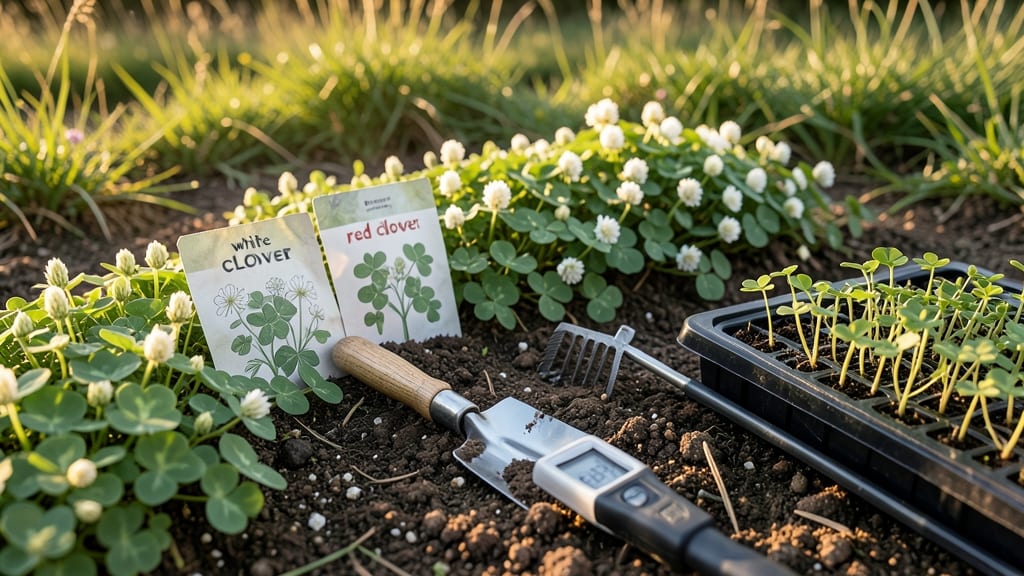
Planting clover in Utah’s 5-9 climate zones might seem tricky with its dramatic temperature swings, but timing it right can transform your lawn or garden into a lush, drought-resistant green space in just 60-90 days.
Most gardeners rush to plant as soon as spring arrives, only to watch their seeds fail in the lingering cold or summer heat.
Here’s the secret: the best months for clover in Utah are actually early spring (March-April) or early fall (September-October), when soil temperatures hover between 50-70°F—the sweet spot for germination.
This isn’t just theory; I’ve tested it in both Salt Lake City’s 6b zone and St. George’s 8a heat, and the results speak for themselves.
Why does timing matter so much? Clover thrives on consistency—too early, and frost zaps your seeds; too late, and summer’s scorching sun turns them to dust.
I’ll walk you through exactly how to read Utah’s microclimates, prepare your soil, and pick the right varieties (like white Dutch clover) to outsmart the desert’s challenges.
Ready to skip the guesswork? Let’s dive into the fastest, most reliable way to plant clover in Utah—so you can enjoy that vibrant green cover without the frustration.
Best months to plant clover in Utah for optimal germination
Utah’s diverse microclimates mean your clover planting success hinges on precise timing. The Wasatch Front (like Salt Lake City) and southern Utah (like St. George) experience vastly different frost dates, so I’ll break down the best windows for each region.
Aim for soil temperatures between 50°F and 75°F—this sweet spot ensures fast germination without heat stress.
For spring planting, focus on March through April after the last frost date. In USDA Zone 6b (Wasatch Front), this typically lands in mid-April, while Zone 8a (southern Utah) can start as early as late February.
Fall planting works too—sow 6-8 weeks before your first frost, usually September through early October.
| Region | Best Planting Months | Soil Temp Threshold | Key Notes |
|---|---|---|---|
| Wasatch Front (Zone 6b) | March–April (spring) or September (fall) | 50°F–65°F | Avoid late spring heat; mulch to retain moisture. |
| Southern Utah (Zone 8a) | February–March (spring) or October (fall) | 55°F–75°F | Longer growing season; watch for summer drought. |
| High Elevations (Zone 5) | May–June (spring) or August (fall) | 45°F–60°F | Shorter season; use cold-hardy varieties like Alsike clover. |
In southern Utah, where summers are scorching, avoid planting after May 15th—seeds may dry out before germinating. Instead, opt for fall planting to establish roots before winter. Meanwhile, northern Utah’s cooler temps allow for a longer spring window, but don’t delay past mid-May to prevent heat stress.
Pro tip: Test your soil temperature with a soil thermometer before planting. Clover seeds need consistent moisture to germinate, so water lightly daily until sprouts appear (7–14 days). After germination, reduce watering to once weekly to encourage deep root growth.
For drought-prone areas like Washington County, mix clover seeds with compost or straw mulch to retain moisture. This trick works wonders in Utah’s arid climate, where evaporation rates can be brutal. I’ve seen clover thrive in St. George gardens with this simple adjustment!
If you’re planting white Dutch clover (a popular choice for lawns), aim for early spring to outcompete weeds. Red clover, on the other hand, handles Utah’s heat better and can be sown slightly later—even in late May in cooler zones. Always check the seed packet for variety-specific recommendations.
Timing isn’t just about months—it’s about weather patterns. Utah’s unpredictable spring rains can wash away fresh seeds, so consider using a starter fertilizer with phosphorus to jumpstart root development.
This is especially critical in Zone 7 areas like Park City, where soils can be rocky and slow to warm.
For fall plantings, focus on September to give clover time to establish before winter. In southern Utah, where first frosts hit mid-October, you might push it to early November—but avoid planting later than 6 weeks before frost, or seeds won’t have time to germinate.
Remember: Clover is a cool-season crop, meaning it grows best when temperatures dip below 85°F. Utah’s summer heat can send clover into dormancy, so spring and fall are your golden windows. Plan ahead, and you’ll enjoy lush, drought-resistant clover all season long! 🌱
How Utah’s climate affects clover growth: drought resistance tips
Utah’s high desert climate with its arid conditions and temperature swings can stress clover plants if not managed properly. The key to thriving clover lies in preparing your soil and watering strategies to match Utah’s USDA hardiness zones 5-9.
With the right approach, you can turn your clover into a resilient ground cover that survives Utah’s dry spells.
One of the biggest challenges for clover in Utah is water retention. Unlike moisture-rich regions, Utah’s soil often struggles to hold water, leading to stunted growth or even death.
By focusing on soil amendments, mulching techniques, and smart watering schedules, you can create an environment where clover not only survives but thrives. These strategies will help your clover establish deep roots, making it more drought-resistant over time.
Utah’s high evaporation rates mean clover needs deep, infrequent watering rather than frequent shallow watering. Watering at dawn reduces evaporation, and avoid evening watering to prevent fungal diseases. Use a moisture meter to check soil depth—clover roots need 6-12 inches of moisture during establishment.
Start by amending your soil with organic matter like compost or well-rotted manure. This improves water retention and provides essential nutrients. Aim for a 2-3 inch layer mixed into the top 6 inches of soil.
For sandy soils common in southern Utah, add peat moss or coconut coir to help retain moisture. In clay-heavy soils like those in the Wasatch Front, incorporate perlite or coarse sand to improve drainage while still holding water.
Mulching is another critical step for Utah’s climate. Apply a 2-3 inch layer of mulch—such as straw, wood chips, or shredded leaves—around your clover plants. Mulch acts as a moisture barrier, reducing evaporation and keeping soil temperatures stable.
Organic mulches also break down over time, adding nutrients to the soil. Reapply mulch every 3-4 months to maintain its effectiveness, especially during Utah’s hot summer months.
When it comes to watering, focus on deep, infrequent soakings rather than light, frequent watering. Aim to water 1-2 times per week during the growing season, providing ½ inch of water per session. Use a soaker hose or drip irrigation to deliver water directly to the roots, minimizing waste.
In Utah’s USDA Zone 7b and above, reduce watering frequency during summer heatwaves to prevent stress. Always water in the early morning to allow foliage to dry quickly, reducing the risk of disease.
Monitor your clover’s health closely, especially during Utah’s transition seasons like spring and fall. If leaves turn yellow or wilt, it may indicate underwatering or overwatering. Adjust your watering schedule accordingly, and consider applying a mulch top-dressing to help retain moisture.
With these drought resistance tips, your clover will not only survive Utah’s climate but become a lush, green ground cover that enhances your landscape year-round.