
Plants
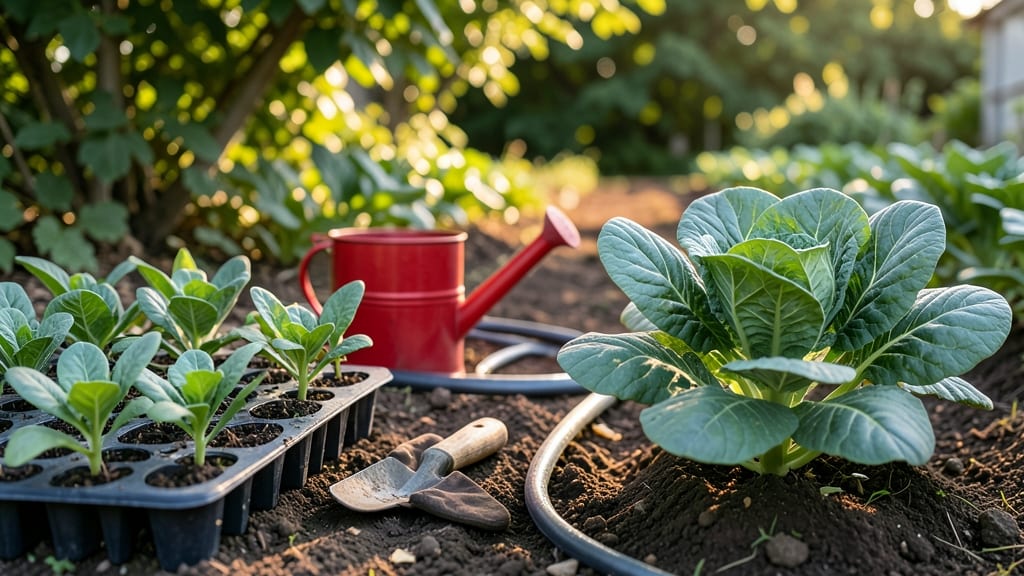
Planting collard greens in Alabama isn't just about timing—it's about unlocking year-round harvests that taste sweeter than store-bought. With Alabama's 7b-8a climate, you can grow crisp, flavorful 🥬 from spring through fall, but one wrong move—like planting too early or too late—can turn your greens bitter or frost-bitten.
Most gardeners assume spring is the only window for collard greens, but Alabama's mild winters and long growing season mean you can actually plant twice a year.
The key is knowing when to start seeds: mid-February to early April for spring harvests, and late July to early September for fall crops. Miss these windows, and you'll end up with tough, woody leaves instead of the tender greens you crave.
What if you could stretch your harvest even further? With the right soil prep and succession planting, you can enjoy fresh collards from May through November—no greenhouses required.
I'll show you exactly how to time your plantings so you're always harvesting at peak tenderness, no matter which part of Alabama you're in.
Ready to grow collards that outshine the grocery store? Let's dive into the exact schedule that works for Alabama's unique climate, plus pro tips to keep your plants thriving through heat, humidity, and even light frosts. Your taste buds will thank you!
Best planting windows for collard greens in Alabama’s climate zones
Alabama’s unique climate zones—ranging from USDA 7b in the north to 8a in the south—create distinct planting windows for collard greens. In cooler northern regions like Huntsville or Decatur, you’ll need to plan around later frosts, while southern areas like Mobile or Dothan enjoy extended growing seasons.
The key is planting when soil temperatures stay above 40°F (4°C) but before summer heat triggers bolting.
Collard greens thrive in Alabama’s cool-season windows, which means focusing on spring (February–April) and fall (August–September) plantings. Spring plantings in northern Alabama should start in mid-February, while southern gardeners can begin as early as late January.
Fall plantings work best when seeded 6–8 weeks before your first frost, typically late July to early September.
Here’s how Alabama’s microclimates affect your planting schedule, including frost dates and heat tolerance thresholds:
For year-round harvests, Alabama gardeners can use succession planting in both spring and fall. Start with two-week intervals between plantings to ensure a continuous supply.
For example, if you plant your first batch in late January (south) or mid-February (north), follow up with another batch in early March and a final one in mid-April to extend your harvest through summer.
In fall, begin with late July plantings and repeat every 3 weeks until early September. This strategy ensures you’ll have collards ready for harvest just as cool weather arrives in October, when their flavor peaks.
Use row covers or cold frames to protect young plants from unexpected late-summer heatwaves or early frosts.
Collard greens can tolerate light frosts down to 20°F (-7°C), making them ideal for Alabama’s winter gardens. However, if temperatures drop below 15°F (-9°C), use thick mulch or row covers to insulate the soil and roots.
Varieties like ‘Georgia Southern’ and ‘Vates’ are especially cold-hardy and perform well in Alabama’s USDA 7b–8a zones.
To maximize your harvest, avoid planting collards during peak summer heat (June–July), as temperatures above 85°F (29°C) cause them to bolt prematurely. Instead, focus on spring and fall plantings and use shade cloth if you must grow them in summer.
This approach ensures tender, flavorful leaves throughout Alabama’s growing season.
For gardeners in urban or container settings, choose compact varieties like ‘Blue Max’ or ‘Top Bunch’, which thrive in 5-gallon containers with well-draining soil. These varieties follow the same planting schedule but allow you to grow collards on balconies or patios in cities like Birmingham or Huntsville.
Always test your soil’s pH (6.0–6.8 ideal) before planting, as collards prefer slightly acidic to neutral conditions. Amend with compost or aged manure to improve soil fertility, and mulch with straw or leaves to retain moisture and suppress weeds.
How to time collard green success: from seed to harvest in Alabama’s seasons
Alabama’s two distinct growing seasons for collard greens create opportunities most gardeners miss. Spring plantings yield tender leaves by May, while fall crops deliver harvests straight through November—if you time them right.
The critical window is between your last frost (typically mid-March in North Alabama or late February in South Alabama) and the summer heat that stresses these cool-season plants.
Most Alabama gardeners focus only on spring planting, but I’ve found that succession planting every 2-3 weeks from late July through early September gives you a fall harvest that rivals spring’s quality.
The trick? Starting seeds early enough to mature before late October’s first frost in North Alabama or mid-November in the South. Let’s break down the exact steps to nail your timing.
Step-by-Step Planting Timeline for Alabama
-
Step 1: Calculate Your Last Frost Date
North AL: Nov 15–Dec 15 | South AL: Oct 15–Nov 1 -
Step 2: Plant Spring Crops
Start seeds 4–6 weeks before last frost (Feb 15–Mar 1 in North, Jan 30–Feb 15 in South) -
Step 3: Succession Plant Fall Crops
Sow every 2–3 weeks from July 15–Sept 1 for continuous harvests -
Step 4: Protect Young Plants
Use frost cloth for late spring/fall plantings when temps dip below 28°F -
Step 5: Harvest in 30–60 Days
Spring: May–June | Fall: Oct–Nov (pick outer leaves first)
For Alabama’s most popular varieties like 'Blue Max' and 'Georgia Southern', expect a 30-day growth timeline from seed to harvest when planted in ideal conditions.
In my North Alabama garden, I’ve seen 'Blue Max' reach harvestable size in just 28 days when started in early September, while 'Georgia Southern' takes closer to 45 days in cooler spring conditions.
Don’t overlook soil preparation—collards thrive in well-draining soil with pH 6.0–6.8. Before planting, mix in 2–3 inches of compost and apply a balanced 10-10-10 fertilizer at planting time.
This gives your plants the nutrients they need to bolt quickly in Alabama’s heat, ensuring you get that sweet, tender flavor before summer stress sets in.
Protecting your young plants from Alabama’s unpredictable late frosts is non-negotiable. I’ve lost entire plantings to 25°F nights in March, but a simple row cover or even an old blanket draped over seedlings buys you enough time to harden off plants.
For fall crops, aim to have seedlings established by mid-September so they can mature before the first frost hits.
With this timing strategy, you’ll enjoy harvests every 2–3 weeks from May through November—far longer than most Alabama gardeners manage. The key is consistent planting windows and protective measures during critical frost periods.
Your taste buds (and dinner table) will thank you for the homegrown, sweeter-than-store-bought collards all season long. 🥬