
Plants
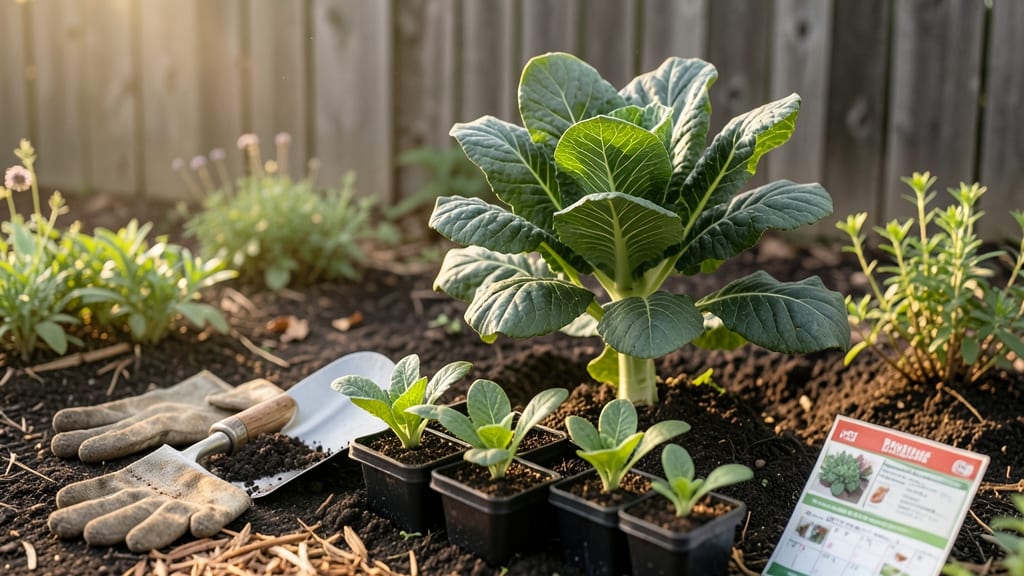
Planting collards 🥬 in South Carolina isn’t just about throwing seeds in the dirt—it’s about beating the heat and frost to keep your greens tender and delicious. If you time it wrong, you’ll end up with bitter, bolted leaves instead of the sweet harvest you’re dreaming of.
In zones 7b-8a, your best shot is starting mid-February to late March for spring or late July to early September for fall. These windows let you dodge early heat stress while still giving your plants enough time to mature before winter frost creeps in.
Why does this matter? Because collards are finicky about temperature—too hot, and they bolt; too cold, and they wilt. I’ll show you exactly how to nail the timing, whether you’re in Charleston’s coastal heat or the cooler Piedmont hills, so you can enjoy fresh greens straight from your garden.
Ready to grow collards that taste as good as they look? Let’s dive into the perfect planting schedule for your South Carolina garden.
South Carolina county planting zones for collards: avoid bolting with heat-tolerant timing
South Carolina’s USDA Hardiness Zones 7b-8a create a perfect environment for growing collards, but heat tolerance and frost dates vary dramatically across counties. In Charleston’s coastal zone, you’ll plant 4-6 weeks earlier than in Greenville’s Piedmont region, where nights stay cooler.
Understanding these microclimates prevents premature bolting—when collards flower too soon and become bitter.
Bolting occurs when day-length sensitivity triggers flowering, especially in heat-tolerant varieties like 'Georgia Southern' or 'Vates'. These varieties thrive in 80°F+ temperatures but bolt when exposed to consistent 90°F+ heat for weeks. The key is planting when soil temps reach 60°F but before summer’s peak heat arrives.
Here’s your county-specific planting guide for collards in South Carolina:
For Charleston’s coastal zone (8a), start seeds indoors in January or direct-sow by mid-February. The warmer microclimate allows earlier planting, but avoid late-March starts—soil temps can spike too quickly, causing bolting.
In Greenville and Upstate (7b), wait until late February to plant outdoors, as cooler nights delay heat stress.
Fall planting is trickier: Late July to early August is ideal for most regions, but Upstate gardeners should push to late July to avoid September heat waves. Use shade cloth (30-50%) if temps exceed 85°F for more than 3 days.
Varieties like 'Vates' handle short-term heat better than 'Georgia Southern', which bolts faster in consistent 90°F+ conditions.
Calculate your frost-free dates using the SC State Climatology Office’s 30-year averages. Charleston’s last frost is February 15, while Upstate’s is March 5. Plant 60-80 days before your first expected frost for a fall harvest—typically mid-November in most of SC.
For example, if your first frost is November 15, start seeds by August 15.
Pro tip: Succession plant every 2-3 weeks from February to July to stagger harvests. In Charleston, you can even get two full harvests—one in April-May and another in October-November. Use mulch (straw or black plastic) to regulate soil temps and
Step-by-step planting calendar: when to start seeds vs. transplants for maximum yield
Timing your collards 🥬 planting in South Carolina is all about avoiding two extremes: frost damage in spring or heat bolting in summer. The key is to start seeds or transplants when soil temperatures hit 60°F+—this ensures strong root growth without triggering early flowering.
For coastal areas like Charleston, aim for 2-4 weeks earlier than Upstate regions, where cooler nights slow early growth.
Most gardeners in USDA zones 7b-8a get two harvests: a spring crop (ready by October) and a fall crop (harvested April-May). The trick? Succession planting every 2-3 weeks after your initial sowing to stretch your harvest window. I’ll break down the exact steps to maximize your yield without the guesswork.
📅 Spring Planting Schedule (Coastal vs. Piedmont)
- Step 1
- Step 2
- Step 3
- Step 4
For fall planting, the goal is to get seeds in the ground 60-80 days before your first frost (typically mid-November). In Charleston, this means starting in late July, while Upstate gardeners should wait until early August.
The soil temperature must stay above 60°F for at least 4 weeks after planting to prevent stunted growth.
Extend your growing season with row covers or low tunnels—these can push your harvest 2-3 weeks later in fall. I’ve had success using floating row covers in September to protect young plants from hurricane winds while still allowing sunlight. Just remove covers during the day to prevent overheating.
Pro tip: Mulch heavily with straw or leaves to keep roots cool during summer heat. This simple step can reduce bolting by 50% in South Carolina’s humid climate. Pair your collards with bush beans or carrots for a companion planting combo that boosts growth and deters pests naturally.