
Plants
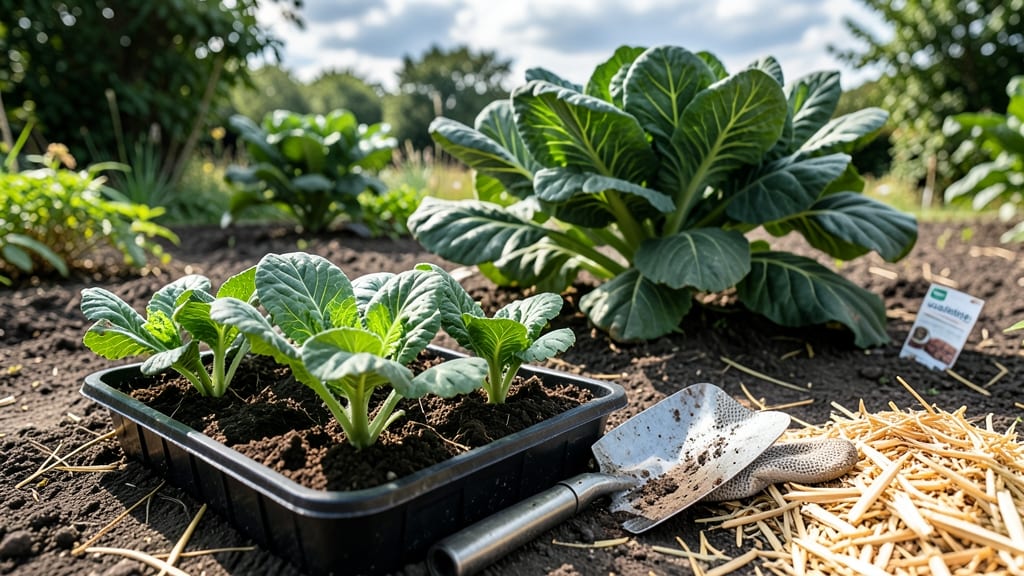
Planting collards in Georgia isn’t just about dropping seeds in the dirt—it’s about timing them perfectly to beat the heat and frost.
The late summer to early spring window (August through March) is your golden opportunity, but miss it, and you’ll either bake your plants in summer or lose them to winter chills.
Here’s the secret: Georgia’s USDA zones 7b-8b give you two ideal planting phases—fall for a winter harvest and spring for summer greens. But get it wrong, and you’ll end up with bitter leaves or stunted growth.
I’ll show you exactly when to plant for maximum yield, plus how to stretch your harvest season with smart tricks.
Whether you’re a first-time gardener or a seasoned green thumb, this guide cuts through the guesswork. We’ll cover frost dates, soil prep, and even how to cheat the system with protective covers. Ready to grow crisp, flavorful collards 🥬 that last from October through February? Let’s get started.
No more wasted seeds or disappointed harvests—just a foolproof plan tailored to Georgia’s climate. You’ll learn the exact weeks to plant, what to watch for, and how to keep your collards thriving even when the weather turns against you. Let’s make this your best collard season yet.
Georgia collard planting calendar by heat zone (frost-date guide)
Collards thrive in Georgia’s mild winters and warm springs, but timing your plantings around frost dates and soil temperatures is key to avoiding heat stress or early frost damage.
In USDA zones 7b-8a, you can grow collards year-round with strategic plantings, but fall and early spring windows yield the best results. Let’s break down the perfect planting schedule for your heat zone.
Georgia’s last frost date typically falls around March 1 in most areas, while the first frost hits about November 15. This gives you a 215-day frost-free window, perfect for cool-season crops like collards.
The trick is to plant when soil temps are 50-65°F—ideal for germination and growth—while avoiding the dog days of summer when heat stress slows development.
Here’s your Georgia collard planting calendar, tailored to heat zones 7b-8a, with frost risk analysis and ideal soil conditions for each window:
For zone 7b, focus on fall plantings (August-September) and early spring (February-March) to avoid the harshest winter temps. In zone 8a, you can extend plantings into late October for a winter harvest, but use row covers if temps drop below 25°F.
Always test your soil temperature with a thermometer—collard seeds need 50-65°F to germinate reliably.
Pro tip: Succession plant every 3-4 weeks from August to October to ensure a continuous harvest. Start with direct sowing in your garden beds, spacing seeds 12-18 inches apart for optimal growth.
If you’re using transplants, harden them off for 7-10 days before setting them out to reduce transplant shock.
Watch for soil moisture during germination—keep it consistently damp but not soggy. Once seedlings emerge, reduce watering slightly to 1-1.5 inches per week, focusing on deep watering at the base of the plant.
Mulch with straw or shredded leaves to retain moisture and suppress weeds, especially in hot summer months when evaporation is high.
In zone 8a, you can even try a late-summer planting in July for a fall harvest, but be prepared to provide afternoon shade if temps exceed 90°F.
Collards are heat-sensitive, so avoid planting after mid-June unless you’re in a cooler microclimate like a shaded garden nook or elevated bed.
Remember, collards are frost-tolerant—they’ll sweeten up after a light frost! But if a hard freeze (25°F or below) is forecasted, protect your plants with row covers or mulch.
With the right timing, you can enjoy fresh collards year-round in Georgia’s climate, from crisp fall harvests to tender winter greens.
Start planning your collard calendar today—your taste buds (and your garden) will thank you! 🥬
How to extend your collard harvest season in Georgia’s climate
Georgia’s mild winters and long growing season give collards a serious advantage—but don’t let early frosts or summer heat cut your harvest short. With the right techniques, you can enjoy fresh collards from late fall through early spring.
The key lies in succession planting, cold-hardening, and smart protective measures that shield tender leaves from temperature swings.
I’ve grown collards in USDA zones 7b-8b for years, and these methods have kept my harvests going well beyond the average frost dates. Whether you’re a first-time gardener or a seasoned green thumb, these strategies will help you maximize your collard yield without breaking the bank or your back.
- 📅 Start succession planting every 3-4 weeks from August through October for staggered harvests.
- 🌡️ Cold-harden plants 10-14 days before frost by gradually reducing water and exposing them to cooler temps.
- 🛡️ Use floating row covers to shield plants from light frosts (28-32°F) without trapping excess heat.
- 🌿 Mulch heavily (3-4 inches) with straw or leaves to insulate roots and prevent soil temperature swings.
- ☀️ Provide afternoon shade in late summer to prevent bolting when temps exceed 85°F.
One of my favorite tricks is succession planting—sowing new seeds every few weeks so you always have fresh growth ready for harvest.
In Georgia, this means starting your first batch in late July or early August for a fall harvest, followed by additional plantings in September and October to keep the cycle going. This way, you’re never left without collards when your family craves them most.
Cold-hardening is another game-changer, especially for young plants that haven’t developed thick leaves yet. Begin by reducing evening watering a week before the first frost date, then gradually expose plants to cooler nighttime temps.
This toughens their cell walls, making them far more resilient to 25-30°F temperatures—perfect for Georgia’s unpredictable winters.
Don’t underestimate the power of mulching and row covers either. A thick layer of straw or wood chips around your collard plants can keep soil temps 10-15°F warmer than ambient air, while floating covers add an extra 4-8°F of protection.
I’ve seen collards survive 20°F nights with just these two simple measures in place.
Finally, remember that harvest timing affects flavor and tenderness. Younger leaves (6-12 inches long) are sweeter and more delicate, while older leaves develop that classic bold, slightly bitter taste Southern cooks love. By extending your season, you’ll have both options available year-round—just adjust your harvesting schedule to match plant maturity.