
Plants
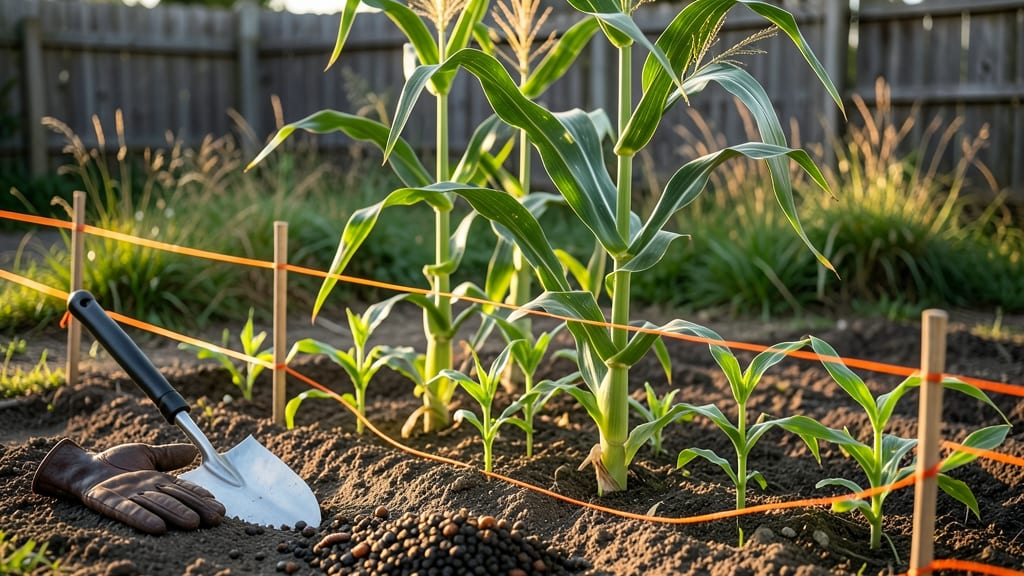
Planting corn in Connecticut at the wrong time can mean the difference between a bountiful harvest of sweet 🌽 and a sad, frost-nibbled failure. The 6a zone here demands precision—wait too long, and you’ll miss the mid-April to mid-May window when soil finally warms to 60°F or higher.
I’ve learned the hard way that rushing corn into cold soil stalls germination for weeks, while planting too late skips the ideal 165 frost-free days needed for full ears.
Coastal areas near the Long Island Sound might shave a week off your timeline, but inland spots like Hartford need that extra buffer against late frosts.
What if you’re torn between early sweet corn and standard varieties? The answer lies in matching your seeds to Connecticut’s unpredictable weather—whether you’re aiming for July harvests or stretching into September. Let’s break down the exact dates and tricks to outsmart Mother Nature.
From soil tests to frost watches, I’ll show you how to time your planting for peak yields, even when Connecticut’s spring throws curveballs. Ready to grow corn like a pro? Let’s get started.
Connecticut corn planting dates: frost-free timeline by region
Connecticut’s diverse climate—from coastal breezes to inland valleys—creates distinct planting windows for corn. Timing is everything because corn thrives in warm soil and struggles with frost. Northern CT has a shorter growing season, while coastal areas enjoy milder springs.
Understanding your region’s average last frost date and soil temperature thresholds ensures healthy germination and robust ears.
Most Connecticut gardeners aim to plant corn after the last frost when soil temperatures consistently reach 60°F (15°C) at 2-inch depth. This typically falls between mid-April and mid-May, but regional microclimates can shift these dates by 1-2 weeks.
For example, New Haven’s coastal zone may be ready 2 weeks earlier than Hartford’s inland area.
Here’s a region-specific breakdown of Connecticut’s frost-free planting windows, including soil temperature targets and microclimate adjustments to maximize your corn’s success.
| Region | Avg. Last Frost Date | Soil Temp. Threshold | Ideal Planting Window | Microclimate Adjustments |
|---|---|---|---|---|
| Coastal (New Haven, Stamford) | April 10–15 | 60°F (15°C) | Late April–early May | Plant 1–2 weeks earlier; monitor for coastal fog delays. |
| Inland (Hartford, New Britain) | April 20–25 | 60°F (15°C) | Mid-April–mid-May | Use black plastic mulch to warm soil faster; stagger plantings. |
| Northern (Torrington, Waterbury) | May 1–5 | 60°F (15°C) | Late April–early June | Choose early-maturing varieties; consider row covers for frost protection. |
For coastal Connecticut, like New Haven and Stamford, the last frost date often arrives by April 10–15, giving gardeners a head start. The soil warms quickly due to ocean influence, but coastal fog can delay planting.
I recommend starting seeds indoors in late March and transplanting after April 20 to avoid cold snaps.
Inland areas, such as Hartford and New Britain, experience later frosts (April 20–25) and cooler soils. Here, soil warming techniques like black plastic mulch can shave 1–2 weeks off your planting timeline.
I’ve found that staggered plantings every 2 weeks extend the harvest window, which is crucial for a shorter season.
Northern Connecticut, including Torrington and Waterbury, has the latest frosts (May 1–5) and the shortest growing season. Gardeners here must prioritize early-maturing varieties (e.g., ‘Early Sunglow’) and use row covers to protect young plants. I’ve had success with June plantings for a second crop, though yields may be smaller.
Regardless of region, soil temperature is the ultimate deciding factor. Use a soil thermometer to confirm 60°F (15°C) at 2-inch depth—corn seeds won’t germinate below this threshold. If temperatures fluctuate, wait an extra week rather than risking poor germination or frost damage.
Pro tip: Plant corn in blocks (not rows) to ensure cross-pollination and better ear development. For coastal areas, space plants 12 inches apart; in inland or northern zones, increase spacing to 18 inches to account for shorter seasons and potential drought stress.
Finally, keep an eye on long-range forecasts in early spring. A late frost warning might push your planting date back by 1–2 weeks. In my garden, I’ve used frost cloth to protect seedlings during unexpected cold snaps, especially in northern Connecticut where frosts can linger into May.
Mastering these regional timelines ensures your corn has the longest possible growing season for sweet, plump ears. With the right adjustments, you’ll enjoy a bountiful harvest from July through September, no matter where in Connecticut you garden. 🌽
How to adjust corn planting for Connecticut’s unpredictable weather
Connecticut’s unpredictable spring weather can turn a promising corn crop into a gamble. Late frosts, sudden heatwaves, and erratic rainfall make timing critical. The key is flexibility—adjusting your planting strategy to protect tender seedlings while maximizing the growing season.
I’ve learned that soil temperature is more reliable than air temperature for corn. Seeds need 60°F soil to germinate consistently, but even then, a late frost can wipe out young plants. That’s why I’ve developed a multi-layered approach to safeguard my corn patch every year.
🌱 5 Proven Strategies for Connecticut Corn Planting
- 1. Soil Warming: Use black plastic mulch 2 weeks before planting to raise soil temps by 5-10°F and speed germination.
- 2. Staggered Planting: Sow seeds in 3 batches (2-week intervals) to ensure at least one planting escapes frost and matures.
- 3. Frost Protection: Cover seedlings with frost blankets or row covers when night temps drop below 50°F.
- 4. Heatwave Prep: Mulch heavily with straw or grass clippings to retain moisture during 90°F+ days.
- 5. Rainfall Buffer: Plant near a water source or use drip irrigation to prevent drought stress during Connecticut’s unpredictable May showers.
For soil warming, I swear by black plastic mulch laid down in early April. It doesn’t just warm the soil—it suppresses weeds and keeps moisture locked in. Pro tip: Poke small holes in the plastic before planting so seedlings can emerge without struggling.
When it comes to frost protection, I’ve had the most success with floating row covers. They’re lightweight enough to let sunlight through but strong enough to shield plants from 28°F temperatures. Just remember to remove them during the day when temps rise above 75°F to prevent overheating.
Don’t underestimate the power of staggered planting. By sowing seeds in three separate batches, you create a rolling harvest window—some ears mature early, others late. This strategy also helps if one planting gets hit by disease or pests.
Finally, water management is non-negotiable. Corn needs 1-2 inches of water weekly, but Connecticut’s spring can swing from drought to downpours. I use drip irrigation on timers to deliver consistent moisture without wasting water during sudden rainfalls.
With these adjustments, my corn thrives even when Mother Nature throws curveballs. The secret? Staying ahead of the weather—not waiting for perfect conditions that never arrive in Connecticut.