
Plants
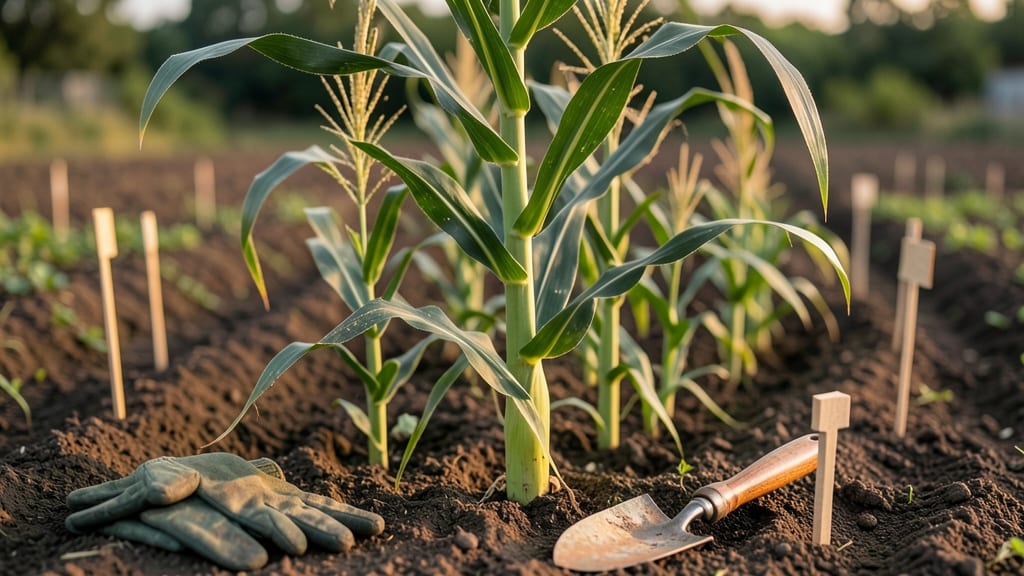
Timing your 🌽 corn planting in Upstate New York isn’t just about following a calendar—it’s about reading the land. Plant too early, and a late frost will turn your tender seedlings into sad, wilted snacks for crows.
Too late, and you’ll miss the sweet spot for harvest before the 5b-6a zone’s first frost in October.
Most gardeners here aim for late April to mid-May, but the real magic happens when soil temperatures hit 60°F—that’s your cue to grab those seeds.
Upstate’s microclimates mean your neighbor’s perfect timeline might not work for your valley or lakeside plot, so we’ll break down how to adjust for your specific corner of the region.
Whether you’re growing sweet corn for summer suppers or field corn for next winter’s meals, this guide will help you pick the right varieties and planting windows to stretch your growing season. No more guessing—just plump, golden ears ready to pull straight from the soil by July.
Let’s dive into the soil temp secrets, frost-free timelines, and variety tricks that’ll turn your Upstate garden into corn country. You’ll learn how to beat the clock, avoid common pitfalls, and even extend your harvest window if you’re feeling ambitious.
Upstate NY corn planting dates by last frost date & soil temperature
Upstate New York's short growing season makes timing critical for corn success. The average last frost date ranges from mid-April in southern regions to early June in the Adirondacks.
However, corn needs warm soil (50-60°F) and consistent warmth to thrive, which often means waiting until late May in most areas. Planting too early risks frost damage, while waiting too long cuts harvest potential.
For Upstate NY gardeners, the ideal planting window spans just 4-6 weeks. This tight schedule requires careful planning, especially since corn varieties mature in 60-100 days. Miss the window, and you'll face stunted growth or immature ears before fall frosts hit in mid-October.
Let's break down the exact dates and soil conditions for your specific region.
🌱 Key Insight: Upstate NY's USDA Zones 5b-6a mean gardeners must balance frost risk with soil warmth. A soil thermometer is your best tool—wait until readings hit 50°F for 3 consecutive days before planting.
Here's your region-specific planting guide for Upstate NY, including exact windows for sweet corn, field corn, and popcorn varieties:
| Region | Avg Last Frost | Ideal Planting Window | Soil Temp Requirement | Best Varieties |
|---|---|---|---|---|
| Southern NY (Zones 6a-6b) | Mid-April | Late April - Early May | 50-60°F (3 days consistent) | 'Peaches & Cream', 'Silver Queen' |
| Central NY (Zones 5b-6a) | Early May | Mid-May - Early June | 55-65°F (5 days consistent) | 'Ambrosia', 'Bodacious' |
| Northern NY (Zones 5a-5b) | Early June | Late May - Mid-June | 60-70°F (7 days consistent) | 'Golden Bantam', 'Country Gentleman' |
| Adirondacks (Zone 5a) | Late May | Early June - Early July | 65°F+ (10 days consistent) | 'Early Sunglow', 'Temptation' |
Notice how northern regions have later planting windows due to cooler soils and shorter seasons. If you're in the Adirondacks or Finger Lakes, consider early-maturing varieties (60-70 days) to ensure harvest before fall frosts.
For southern Upstate, you can push to late May for longer-season varieties (90-100 days).
For field corn or popcorn, which take 90-120 days to mature, focus on southern Upstate planting. These varieties need maximum heat to develop properly. Use black plastic mulch to warm soil faster if needed—this can extend your planting window by 1-2 weeks in cooler areas.
Pro tip: Plant in succession every 10-14 days for a continuous harvest. This works especially well for sweet corn, which loses sweetness quickly after maturity.
For example, if your last frost is May 15th, plant May 15th, May 25th, and June 5th for staggered harvests through August and September.
Monitor local weather forecasts closely in late April and May. A late frost can devastate young corn plants, while unseasonably warm spells might allow earlier planting. The National Weather Service and Cornell Cooperative Extension provide real-time frost alerts—bookmark their sites for Upstate NY-specific updates.
Finally, don't overlook soil temperature. Even if air temps feel warm, cold soil will delay germination by weeks. Use a soil thermometer ($10 at garden centers) to check 1 inch deep—this is where corn seeds need consistent warmth. If temps dip below 50°F, wait another week.
With these region-specific dates and soil temperature guidelines, you'll maximize your corn yield and avoid the heartbreak of frost-damaged crops. Happy planting—your garden will thank you with ears of sweet, homegrown corn! 🌽
5 Critical factors that determine your corn planting success in Upstate NY
While planting dates are crucial for corn success, Upstate NY gardeners face unique challenges that go beyond the calendar. From soil composition to microclimates, these five factors can make or break your harvest. Let’s break down what truly matters for your corn patch’s success.
First, soil temperature isn’t just about frost-free dates—it’s about consistent warmth. Corn roots need soil at 50-60°F to germinate, but Upstate NY’s clay-heavy soils in valleys can stay cold longer than sandy lakefront areas. Test your soil with a soil thermometer before planting.
- Soil Type: Clay soils (common in valleys) drain poorly—amend with compost or sand. Sandy soils (near lakes) dry fast—mulch heavily.
- Drainage: Corn hates waterlogged roots. Plant on slopes or raised beds if your yard floods after rain.
- Microclimates: Lake-effect zones (warmer, drier) can support late varieties, while valleys need early-maturing types.
- Variety Choice: Early varieties (60-70 days) avoid fall frosts, while late varieties (90+ days) risk ear rot if planted too late.
- Blight Risk: Humid valleys need resistant varieties like ‘Silver Queen’; dry lake areas can handle ‘Peaches & Cream’.
Next, drainage is often overlooked but critical. Corn roots suffocate in waterlogged soil, leading to stunted growth or fungal diseases. If your garden sits in a low spot, create raised beds or plant on a slight slope to improve airflow. Even a 10% grade can prevent water pooling.
Upstate NY’s microclimates create dramatic differences in growing conditions. Areas near Lake Ontario or Lake Erie enjoy warmer, drier summers—ideal for late-maturing varieties. Meanwhile, valleys like the Mohawk Valley stay cooler and wetter, demanding early-maturing corn (60-70 days to harvest).
Choosing the right corn variety for your microclimate is non-negotiable. Early varieties like ‘Early Sunglow’ (65 days) thrive in short-season valleys, while late varieties like ‘Bodacious’ (95 days) need the extended heat of lake-effect zones. Always check the days-to-maturity and align it with your first frost date.
Finally, disease pressure varies wildly across Upstate NY. Corn earworm and gray leaf spot thrive in humid valleys, while drought stress plagues sandy lake soils. Use resistant varieties (e.g., ‘Pioneer 39T23’ for blight) and crop rotation to minimize risks.
Avoid planting corn in the same spot year after year—it exhausts nutrients and invites pests.
By mastering these five factors—soil type, drainage, microclimates, variety selection, and disease management—you’ll turn Upstate NY’s challenges into a corn-growing advantage. Happy planting! 🌽