
Plants
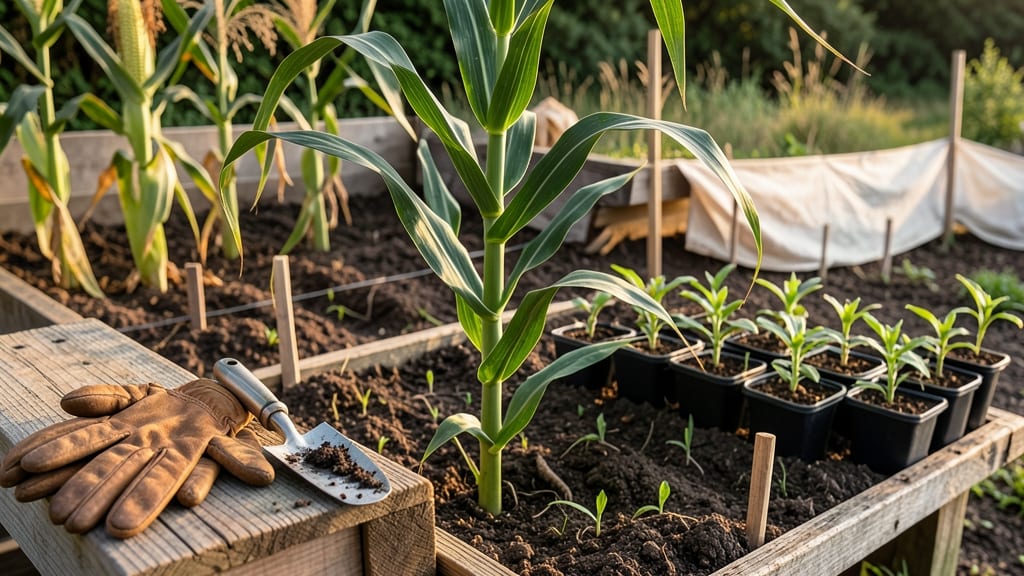
Planting corn in Houston at the wrong time means watching your hard work wilt under sudden frost or swelter in early heat—both can turn your 🌽 dreams into a sad, shriveled mess.
The key to a thriving harvest lies in those narrow windows between mid-March and early May, when soil temperatures finally cooperate and frost risks fade away.
I’ve learned the hard way that Houston’s Zone 9a climate demands precision: plant too early, and a late freeze could devastate tender seedlings; too late, and your corn might bolt before reaching peak sweetness.
The solution? Timing your seeds to align with Houston’s average last frost date around January 15, then adjusting for soil warmth—corn needs at least 60°F to germinate properly.
What if you’re unsure whether your yard’s microclimate matches the general rule? Don’t stress—I’ll walk you through how to use local frost calendars, soil thermometers, and even early-maturing varieties to hedge your bets.
Whether you’re growing sweet corn for summer meals or field corn for fall storage, these strategies will help you beat Houston’s unpredictable weather.
Ready to turn your garden into a cornucopia? Let’s break down the exact dates, tools, and tricks to ensure your 🌽 thrives from seed to harvest—no guesswork required.
Houston’s ideal corn planting dates by variety (with frost risk alerts)
Houston’s USDA Zone 9a climate offers a long growing season, but late spring frosts (as late as March 15) and early summer heat demand precise corn planting timing.
Unlike cooler regions, Houston gardeners must balance soil warmth (minimum 60°F) with frost-free guarantees to avoid stunted growth or kernel damage. The key? Planting sweet corn, field corn, and popcorn in staggered windows to spread harvests and minimize risks.
For Houston, the last average frost date falls around January 15, but microclimate variations—like cooler areas near water bodies—can delay warmth. Urban heat islands may push soil temperatures up faster, but don’t rush: cold soil slows germination, leading to uneven sprouts.
My strategy? Start with early varieties in late February for a buffer, then follow with mid-season and late-season types in March and April.
Sweet corn deserves the most attention in Houston because its sugar content degrades quickly in heat. Plant early varieties like 'Silver Queen' (65 days) in late February to harvest before June’s scorching temps.
Mid-season types such as 'Peaches and Cream' (85 days) go in March for a summer harvest, but watch for earworm infestations—use row covers if needed. For field corn or popcorn, extend planting to May, but prioritize soil moisture to prevent drought stress.
Houston’s microclimates complicate timing. Areas near Galveston Bay stay cooler longer, while inner-city neighborhoods (like Montrose) warm up faster. To hedge bets, I test soil temps with a digital thermometer—plant only when 60°F+ at 4-inch depth.
Pro tip: Use black plastic mulch to warm soil 2–3°F faster in cooler pockets. For late-season plantings, opt for drought-resistant varieties like 'Pantry Queen' popcorn, which tolerates Houston’s July humidity better than sweet corn.
Never underestimate Houston’s late-spring frosts. Even in Zone 9a, March 2023’s surprise freeze caught many off guard. To protect young plants, keep row covers or frost cloth handy—especially for February plantings.
For field corn, which is hardier, you can push planting to early May, but expect slower growth in Houston’s oppressive summer heat. Always monitor the
How to adjust planting dates for Houston’s unpredictable weather patterns
Houston’s humid summers and unpredictable spring frosts can turn corn planting into a gamble—but with the right adjustments, you can extend your growing season and protect your crop. The key is flexibility: using row covers, choosing early-maturing varieties, and monitoring soil temperatures closely.
Even a single late frost can devastate young corn plants, so planning ahead is non-negotiable.
If you’ve ever watched your tender corn seedlings wilt overnight after a 30°F dip, you know how critical timing is. Houston’s last average frost date falls around February 15, but late frosts can occur as late as March 15.
To hedge your bets, I recommend planting in two staggered batches: one in mid-March and another in early April. This way, if one batch gets hit by frost, the other has a better chance of survival.
⚠️ callout warning
Even after the official last frost date, microclimates in Houston (like low-lying areas or near water bodies) can experience late frosts. Use a frost calendar from the National Weather Service or set up a minimum thermometer in your garden to track real-time risks. If frost is forecasted, cover young plants with floating row covers or old bedsheets for protection.
📅 Pro Tip: Plant early-maturing varieties (like 'Silver Queen') first—they’ll reach harvest before summer heat peaks.
To maximize your chances, focus on soil temperature—corn seeds won’t germinate reliably below 60°F. Use a soil thermometer to check daily, especially in early spring.
If temperatures hover around 55-59°F, consider using black plastic mulch to warm the soil faster. Warmer soil speeds up germination and helps seedlings outpace frost threats.
Another game-changer is row covers. Lightweight frost blankets can raise soil temperatures by 5-8°F and shield young plants from light frosts. I’ve had success with agricultural fabric row covers (like Reemay) over 3-4 week-old seedlings.
Remove them during the day to allow pollination (corn needs cross-pollination for ear development), but replace them at night if frost is predicted.
For late-season adjustments, opt for heat-tolerant varieties like 'Peaches and Cream' or 'Bodacious', which handle Houston’s 90°F+ summers better than traditional sweet corn. If you’re planting in May or June, choose super-early varieties (ready in 60-70 days) to avoid heat stress during pollination.
Water deeply in the early morning to prevent silk desiccation, a common issue in Houston’s dry heat.
Finally, keep a 7-day soil temperature checklist before planting:
- Day 1-3: Soil temp ≥55°F (seeds can sprout slowly)
- Day 4-5: Soil temp ≥60°F (optimal germination)
- Day 6-7: Soil temp ≥65°F (rapid seedling growth)