
Plants
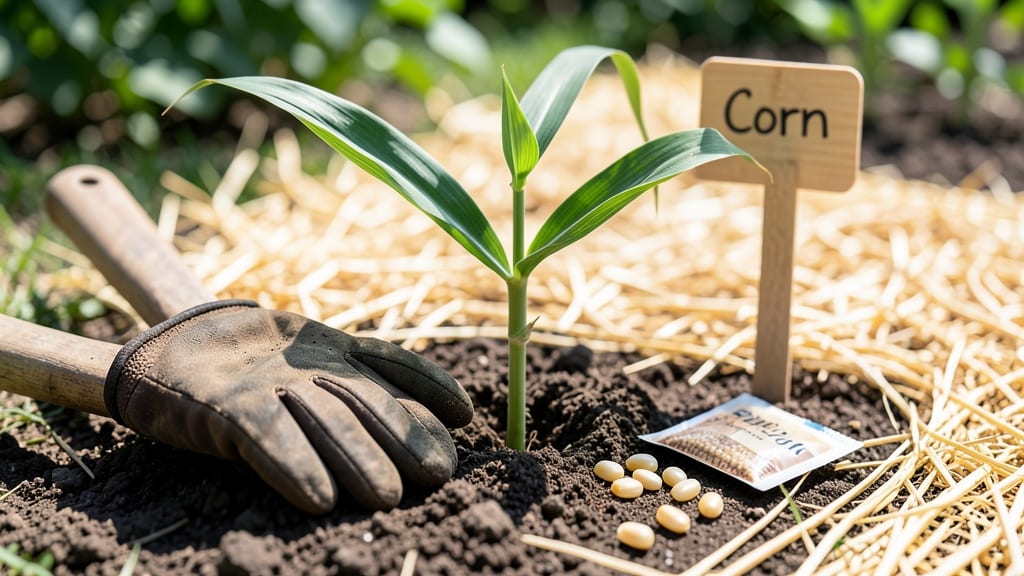
Planting corn in Middle Tennessee at the wrong time can mean the difference between a bountiful harvest of sweet, juicy ears and a sad, frost-nipped failure.
With our 7a climate and unpredictable spring weather, timing is everything—and getting it right means starting mid-April to early May, once the soil warms and the last frost has passed.
I’ve learned the hard way that rushing corn into cold soil or planting too late leaves you scrambling to harvest before autumn’s first chill. The key is balancing your variety’s maturity time with Middle Tennessee’s 190 frost-free days, so you’re not left with half-grown stalks by October.
Whether you’re growing sweet corn for summer meals or field corn for fall projects, these deadlines are non-negotiable.
But here’s the good news: with the right adjustments—like choosing early or late varieties, prepping your soil just right, and knowing when to use row covers—you can stretch your planting window and maximize your yield.
I’ll walk you through the exact steps to time it perfectly, from checking soil temperatures to calculating safe planting dates based on your local frost trends.
Ready to avoid the common mistakes that ruin Middle Tennessee corn harvests? Let’s dive into the frost-free deadlines and strategies that’ll have you pulling ears straight from the stalk by late July.
Middle Tennessee corn planting deadlines by frost zone and variety type
Middle Tennessee’s USDA Zones 6b and 7a create a unique growing window for corn, where last frost dates typically range from April 15 to May 15. Planting too early risks frost damage, while waiting too late can shorten the harvest season.
Sweet corn, field corn, and popcorn each have ideal planting timelines to ensure optimal yields and kernel development before the first fall frost.
For sweet corn, which matures in 60-80 days, timing is critical. Field corn and popcorn varieties, with longer growing seasons of 90-120 days, offer more flexibility but still require precise planting to avoid early frost.
Local weather patterns, like the 2023 average last frost date of May 1 in Nashville, help refine these deadlines—though microclimates in rural areas may shift dates by 1-2 weeks.
To maximize success, I recommend planting early varieties (60-70 days to maturity) by April 15 and late varieties (90+ days) by May 10. This ensures harvests occur between late July and early October, before temperatures drop below 50°F at night.
Below, I’ve broken down the best planting windows for each corn type, including soil temperature thresholds and frost-free guidelines.
| Corn Type | Days to Maturity | Ideal Planting Window | Soil Temp Threshold | Last Planting Deadline | Notes |
|---|---|---|---|---|---|
| Sweet Corn | 60-80 days | April 15–May 1 | 50°F+ (consistent) | May 10 (for late varieties) | Plant in blocks, not rows, for pollination. |
| Field Corn | 90-120 days | April 20–May 5 | 55°F+ (warmer soil) | May 15 (extend with row covers) | Drought-tolerant; needs deeper roots. |
| Popcorn | 85-110 days | April 25–May 10 | 52°F+ (gentler threshold) | May 20 (with frost protection) | Sensitive to cold; use black plastic mulch. |
For sweet corn, which is the most popular choice for home gardens, I’ve found that planting in mid-April yields the earliest harvests.
Varieties like ‘Silver Queen’ or ‘Peaches and Cream’ mature in about 70 days, so starting them by April 15 ensures ears are ready by late June. This timing also aligns with the peak demand for fresh corn at farmers' markets and family gatherings.
If you’re growing field corn for livestock feed or popcorn for popping, wait until late April to plant. These varieties need more time to mature, and planting them too early can lead to tall, leggy plants that struggle with pollination.
Field corn varieties like ‘Mo17’ or ‘Pioneer 3906’ thrive when planted by May 1, while popcorn like ‘Strawberry Popcorn’ benefits from a slightly later start to avoid early frost.
One of my biggest lessons? Soil temperature matters more than air temperature. Corn seeds won’t germinate well in cold soil, even if the air is warm. Use a soil thermometer to confirm temperatures are above 50°F before planting.
If your soil is still chilly in early April, consider using black plastic mulch to warm it faster or opt for cold-tolerant varieties like ‘Early Sunglow’ sweet corn.
For gardeners in rural areas or higher elevations (like those in USDA Zone 6b), extend your planting window by 1-2 weeks later than the Nashville average.
Conversely, urban heat islands in cities like Nashville or Murfreesboro may allow for earlier planting by 10-14 days. Always check the UT Ag Extension
How to adjust planting dates for early or late corn varieties
Middle Tennessee’s unpredictable spring weather can throw off even the most experienced gardeners. If you’re growing early-maturing corn varieties, you might need to plant as early as late March to avoid frost, while late-season varieties can wait until mid-May.
The key is understanding your local frost dates and adjusting for soil temperature—corn seeds won’t sprout in cold soil, no matter how eager you are!
For cold-tolerant varieties like Early Sunglow or Silver Queen, you can push planting dates slightly earlier, but always confirm soil temperatures are above 50°F (10°C). If you’re unsure, use a soil thermometer—it’s the best way to avoid wasted seeds.
Even if the air feels warm, the ground might still be too chilly for germination.
- 1. Check Last Frost Date: Middle Tennessee’s average last frost is April 15, but use local weather trends (or the UT Extension frost calculator) to adjust. Plant early varieties 2–3 weeks before this date if soil is warm.
- 2. Use Soil Warmers: Lay black plastic mulch or row covers over beds 1–2 weeks before planting to raise soil temps by 5–10°F. This lets you plant early corn like Ambrosia in late March.
- 3. Extend the Season: For late-season varieties (e.g., Peaches & Cream), use row covers or low tunnels to protect young plants from late spring frosts. Remove covers once plants are 6 inches tall.
- 4. Calculate Safe Dates: Subtract your corn variety’s days to maturity from your first frost date (Nov 15 in TN). For a 75-day variety, plant by July 20 for a late harvest.
- 5. Succession Planting: Stagger plantings every 2 weeks for a continuous harvest. Use early, mid, and late varieties (e.g., Golden Bantam + Silver Queen + Peaches & Cream).
If you’re planting late varieties like Peaches & Cream, aim for mid-May to ensure enough time to mature before frost. But watch for heat stress—corn struggles in temperatures above 90°F (32°C).
Provide shade cloth during heatwaves or plant in partial shade (though yield may drop). For popcorn varieties, which take 90–120 days, start seeds indoors in late April and transplant after frost.
Don’t forget about companion planting to protect your corn! Planting beans or squash nearby can deter pests and improve soil health. Beans even fix nitrogen, giving your corn a natural boost.
Just avoid planting near tomatoes or cabbage, as they compete for nutrients. For extra insurance, interplant with marigolds to repel corn earworm moths.
Pro tip: Keep a gardening journal to track your planting dates and outcomes. Note which varieties thrive in your microclimate and adjust future plantings accordingly. Over time, you’ll fine-tune your schedule to Middle Tennessee’s quirks, whether that’s a cool spring or an early heatwave.
The more data you collect, the more confident you’ll be in your timing!
Remember, corn is forgiving if you get the timing mostly right—but precision pays off. A well-timed planting means sweeter ears, better yields, and fewer surprises when harvest rolls around. Happy planting! 🌽