
Plants
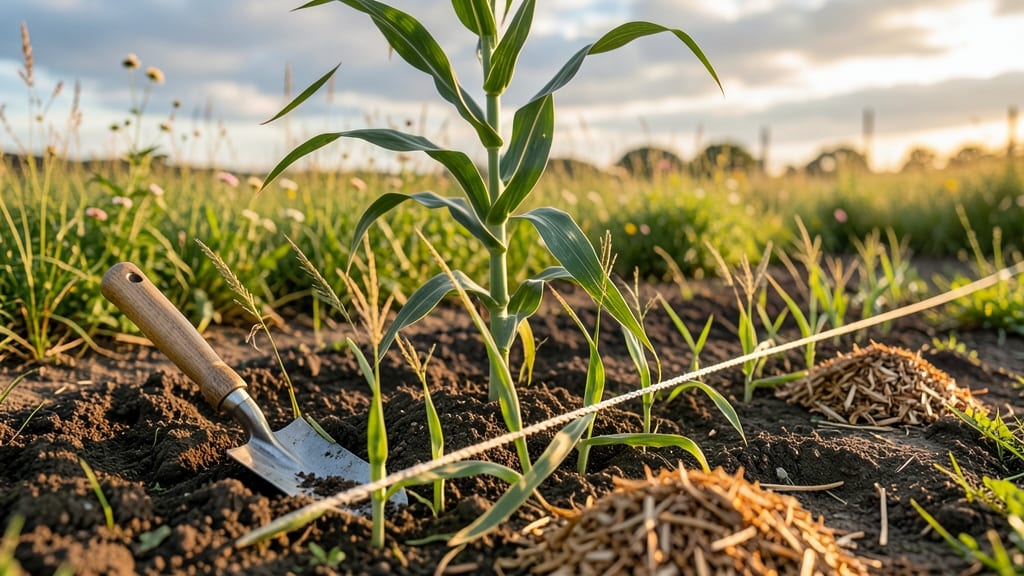
Planting corn in South Carolina at the wrong time can mean the difference between a garden full of sweet, juicy ears and a sad, stunted crop. The perfect window is narrow—mid-April to early June—but getting it right depends on more than just the calendar.
In zones 7b-8a, where last frosts linger around March 15, waiting for soil to warm to 60°F+ is critical. Too early, and frost will nip tender seedlings; too late, and you might miss the peak harvest window of late July to October.
But timing isn’t just about dates—it’s also about your local microclimate, soil type, and even the variety of corn you’re growing.
I’ve learned the hard way that rushing or delaying planting can lead to poor pollination, stunted growth, or even missed harvests. Whether you’re growing sweet corn for summer meals or field corn for next year’s seeds, the key is balancing warmth, moisture, and patience.
Let’s break down exactly when—and how—to plant for the best results in your South Carolina garden.
From adjusting for sandy coastal soils to dealing with Piedmont clay, I’ll share the practical tips that have helped me (and my neighbors) grow corn that’s tall, healthy, and packed with flavor. Ready to turn your garden into a corn patch that rivals the best farmers’ markets?
South Carolina corn planting dates by heat Zone and variety type
South Carolina’s USDA zones 7b-8a create distinct planting windows for corn, where soil temperature and frost risk dictate success. In Zone 7b (Upstate), corn thrives with mid-April to early May plantings, while Zone 8a (Coastal) enjoys a longer window from late March to early June.
The key? Wait until soil reaches 50°F+—corn roots struggle below this threshold.
Sweet corn, the most popular variety, needs 75-90 days to maturity, so timing ensures harvests before first frost (typically mid-November). Field corn and popcorn varieties may extend slightly later, but late plantings risk stunted growth from summer heat.
My Upstate garden’s Silver Queen sweet corn always performs best when planted April 15-30—coinciding with peak soil warmth.
🌽
For Zone 7b gardeners, I recommend sticking to one planting window (April 15-May 15) to avoid frost risk. In Zone 8a, however, you can squeeze in two plantings: one in late March for early summer harvests and another in early June for fall crops.
My Coastal Plain garden’s early June planting of Ambrosia sweet corn always yields tender ears by late August, beating the heat.
Soil temperature is non-negotiable—corn seeds won’t germinate below 50°F. Use a soil thermometer to confirm readiness. In my Upstate garden, I’ve seen April 1 plantings fail when soil hovered at 48°F
How to adjust planting for South Carolina’s microclimates and soil conditions
South Carolina’s diverse landscapes—from the sandy coastal plains to the clay-rich Piedmont and mountainous Upstate—create unique challenges for growing corn. Each region demands different soil prep, watering strategies, and variety choices to maximize yields. Let’s break down how to adapt your planting plan for these microclimates.
The coastal zone (Zone 8a) has fast-draining sandy soil that requires frequent watering and organic matter to retain moisture. Meanwhile, the Piedmont region struggles with heavy clay that compacts easily, while the Upstate elevations face cooler nights that delay maturity.
Adjusting your approach based on these conditions ensures your corn thrives.
Here’s a quick comparison of the key adjustments needed for each microclimate:
Microclimate Adjustments for Corn Planting
- ✅ Pros: Warmer soil, earlier planting
- ✅ Pros: Less frost risk
- ❌ Cons: Needs frequent watering
- ❌ Cons: Poor nutrient retention
Action: Amend with compost and use mulch.
- ✅ Pros: Holds moisture well
- ✅ Pros: Rich in minerals
- ❌ Cons: Compacts easily
- ❌ Cons: Roots struggle to penetrate
Action: Plant in raised beds or add gypsum.
- ✅ Pros: Cooler nights reduce pests
- ✅ Pros: Longer growing season
- ❌ Cons: Slower soil warming
- ❌ Cons: Shorter maturity window
Action: Choose early-maturing varieties like 'Silver Queen'.
For coastal areas, focus on drought-resistant varieties like 'Peaches and Cream' and use drip irrigation to conserve water. The sandy soil warms quickly, so you can plant 2-3 weeks earlier than inland regions.
In the Piedmont, raised beds improve drainage and root growth, while black plastic mulch warms the soil faster for earlier planting.
Upstate gardeners should prioritize fast-maturing varieties (60-70 days) to avoid early fall frosts. Extend your season by planting successive crops every 2 weeks in May. For all regions, test soil pH (ideal: 6.0-7.0) and add lime if needed, as corn is sensitive to acidic soils.
Mulching is a game-changer in South Carolina. Use straw or wood chips to retain moisture in sandy soils and suppress weeds in clay. In raised beds, mix in aged compost to improve fertility. For drought-prone areas, consider cover crops like clover to build soil organic matter over winter.
Finally, adjust your planting depth based on soil type: 1-1.5 inches deep in sandy soil and 1.5-2 inches in clay. Thinner seeds in clay prevent overcrowding, while thicker spacing in sand ensures adequate nutrients. With these microclimate-specific tweaks, your corn will thrive from the coast to the mountains.