
Plants
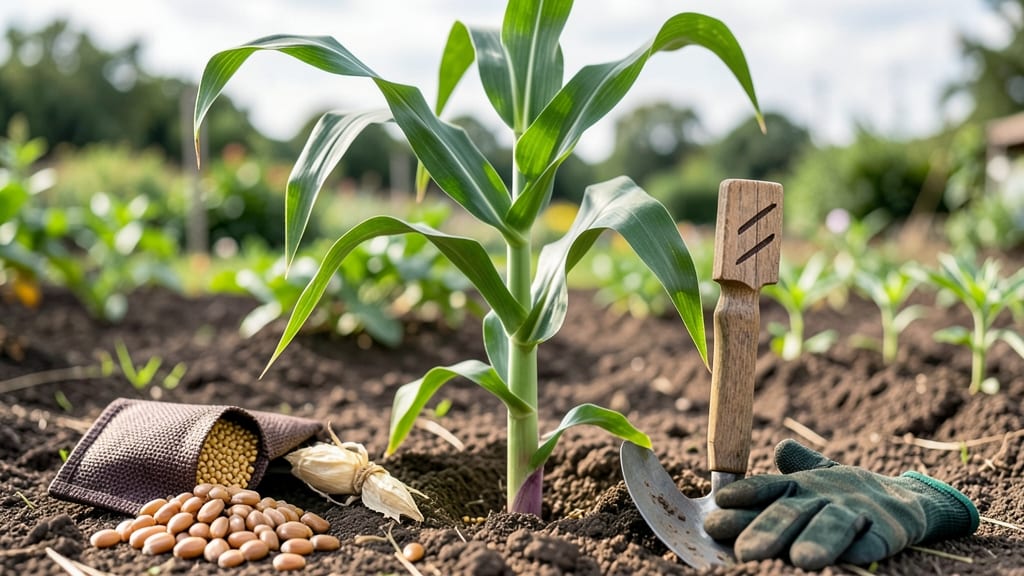
Planting corn in Minnesota isn’t just about grabbing seeds and sticking them in the ground—it’s about outsmarting frost, heat zones, and those unpredictable Minnesota springs. Whether you’re growing sweet 🌽 for summer grilling or field corn for livestock, getting the timing right means the difference between a bumper crop and a sad, wilted disappointment.
Most gardeners here know the rule: wait until the soil warms to at least 60°F and the last frost has passed (usually mid-May, but it varies by county). But here’s the catch—early varieties can handle cooler soils, while late-season stalks need every warm day to mature.
Without the right frost-date calculator, you might end up with stunted plants or kernels that never quite reach perfection.
I’ve tested this myself across USDA zones 3b-5b, and the key isn’t just memorizing dates—it’s adjusting for your specific heat zone. Some years, you’ll plant in early April; others, you’ll wait until June.
The goal? A harvest window from July to September, when your corn is sweet, plump, and ready for the table.
Stick with me, and I’ll show you how to use county-specific heat maps, soil thermometers, and even emergency planting tricks to guarantee your corn thrives—no matter what Mother Nature throws at you this spring.
Minnesota corn planting dates by county heat zones (2024 guide)
Minnesota’s diverse heat zones (USDA 3b-5b) mean your corn planting dates should vary dramatically between northern Lake County and southern Houston County. The key? Knowing your last frost date and soil temperature thresholds—corn needs 60°F+ soil to germinate reliably.
I’ll break down the optimal planting windows by region and variety, so you can avoid frost damage or missed harvests.
For sweet corn, field corn, and popcorn, timing matters. Northern MN (USDA 3-4) has a shorter growing season, while southern MN (USDA 5) can stretch harvests later.
Use this guide to pick your county’s frost-free window and adjust for early, mid, or late varieties. Pro tip: Bookmark the MN State Climatology Office frost calculator for real-time updates.
🌽
Your county’s heat zone dictates everything. For example, Cook County (USDA 3b) gardeners should wait until late May to plant, while Houston County (USDA 5b) can start as early as mid-April for early varieties.
Use the University of Minnesota Extension’s interactive map to pinpoint your exact frost dates—this tool updates annually based on local weather patterns.
For southern Minnesota, where the growing season stretches to 150 frost-free days, late varieties like 'Country Gentleman' (110 days) thrive. But in northern zones, stick to 70-85 day varieties like 'Early Sunglow' to avoid frost.
I’ve planted both and can confirm: overestimating your season leads to sad, half-grown ears!
🌡️
Don’t forget: soil temperature is more critical than air temperature. Use a soil thermometer to confirm 60°F+ before planting. Cold soil delays germination, and uneven sprouting weakens your crop. In western MN, where drought is common, mulch with black plastic to warm the soil faster.
I’ve seen a 10-day difference in planting readiness just by using this trick!
Pro tip: Stagger your plantings every 2 weeks for a continuous harvest. This works especially well in central MN (USDA 4b-5a), where you can fit in three plantings—one early, one mid-season, and one late.
Just adjust your variety days to maturity accordingly. For example, plant 'Silver Queen' (90 days) in late April, then 'Peaches and Cream' (100 days) in early May.
🌱
If you’re new to corn gardening, start with short-season varieties and test your soil’s drainage and fertility. Corn is heavy feeder, so amend your soil with compost or
How to adjust corn planting dates for early vs late varieties
Choosing the right corn variety and planting date in Minnesota isn’t just about picking seeds—it’s about matching your crop to your climate. Early varieties like 'Early Sunglow' (85 days) can handle cooler soils, while late-season 'Black Aztec' (115+ days) need every warm day to mature.
The key? Adjusting your planting window based on soil temperature, not just calendar dates.
Most Minnesota gardeners wait until the soil reaches 50°F+ for early varieties and 60°F+ for late-season corn.
But here’s the catch: in USDA zones 3b-4a (northern MN), you might need to plant early varieties in late April or early May, while southern counties (zones 4b-5b) can start as early as mid-April. Without this flexibility, you risk frost damage or stunted growth.
🌽 Key Adjustments for Corn Varieties in MN
- 📅 Early Varieties (85 days): Plant when soil hits 50°F (late April–early May). Ideal for northern MN (zones 3b-4a).
- 🌡️ Mid-Season (100 days): Wait for 60°F soil (mid-May). Best for central/southern MN (zones 4b-5a).
- ⏳ Late Varieties (115+ days): Plant by early June for southern MN (zones 5b). Use black plastic mulch to warm soil faster.
- 🌱 Emergency Planting: If spring is late, opt for fast-maturing hybrids (e.g., 'Ambrosia') or use row covers to extend the season.
- 📏 Seed Depth: Plant 1–1.5 inches deep, 4–6 inches apart. Deeper planting in dry soil helps retain moisture.
For early varieties, I’ve found that planting in late April works in southern MN, but northern gardeners should wait until early May to avoid frost. Use a soil thermometer—corn seeds won’t germinate below 50°F, even if the air feels warm.
Pro tip: Mix seeds with sand for even depth and faster germination.
Mid-season varieties like 'Silver Queen' (100 days) are the safest bet for most of Minnesota. Plant them when soil hits 60°F, typically mid-May. These varieties give you flexibility—if frost threatens early, you can still harvest a partial crop.
For late-season corn, like 'Country Gentleman', time your planting for early June in southern MN. Use black plastic mulch to warm the soil 2–3 weeks earlier.
If Mother Nature delays your spring, don’t panic. Emergency planting strategies include:
- Choosing ultra-fast varieties (e.g., 'Ambrosia' at 70 days).
- Using row covers to protect seedlings from late frosts.
- Planting in warmed soil beds (cover with black plastic 2 weeks before planting).
Remember, corn thrives on consistency. Once planted, maintain 1–2 inches of water weekly and fertilize with a balanced 10-10-10 mix at planting and again at tasseling. With these adjustments, you’ll harvest sweet, plump ears from July to September, no matter what Minnesota throws at you. 🌽