
Plants
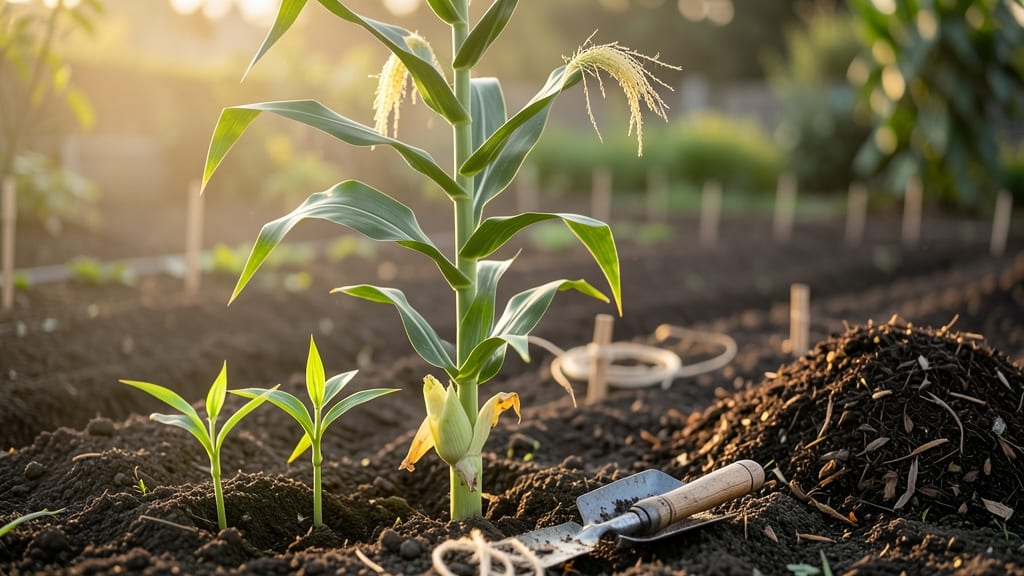
Planting corn in Montana isn’t just about the calendar—it’s all about catching that sweet spot when the soil warms up to 50°F or higher, or your seeds will just sit there waiting for summer.
I’ve learned the hard way that rushing too early can leave your 🌽 struggling in cold, damp earth, while waiting too long risks a shorter harvest before frost. The key?
Timing it right based on your microclimate, whether you’re in the rocky hills near Missoula or the broader plains around Billings.
Most Montana gardeners swear by planting after the last frost date, but that’s only half the battle. The real game-changer is soil temperature—corn seeds need warmth to germinate, and Montana’s unpredictable spring can throw off even the best-laid plans.
I’ll show you how to test your soil’s readiness and adjust your planting window to give your corn the fast start it needs, no matter where you’re growing.
If you’ve ever stared at your seed packets wondering, “When exactly should I plant?”—this is your answer. We’ll break down the best planting windows for both early and late varieties, plus pro tips for succession planting to stretch your harvest into fall.
Whether you’re a small-scale grower or prepping for a big garden, these strategies will help you beat Montana’s short season and avoid the heartbreak of half-grown ears.
Ready to turn your corn patch into a summer staple? Let’s dive into the soil science and regional tricks that’ll have your 🌽 thriving—even when the weather plays tricks on you.
Montana corn planting dates by soil temperature zones
Montana’s diverse climate—from the dry Western plains to the moist Eastern valleys—creates distinct planting windows for corn. Unlike air temperature, soil warmth (consistently 50°F+) triggers germination, and timing varies by USDA zones and microclimates.
Eastern Montana (Zones 4-5) often warms earlier than Western regions (Zones 3-4), but rocky soils in the Missouri River valley retain heat differently than loamy plains.
For optimal corn growth, aim to plant when soil reaches 50°F at 2-inch depth—this typically falls between late April and early June, depending on elevation.
In Billings (Zone 4b), start seeds indoors by mid-April for transplanting, while Missoula (Zone 5a) gardeners can direct-sow as early as late May. Always calculate your frost-free date (usually May 15-June 1 in most areas) and count backward from your corn variety’s maturity days (60-90 days).
Here’s a quick reference for Montana’s soil temperature zones and planting windows:
In Eastern Montana, where USDA Zone 5a dominates, you can push planting dates earlier by using black plastic mulch to warm soil faster.
For example, in Great Falls, cover beds with mulch by mid-April to achieve 50°F soil by late April, allowing direct sowing by May 1.
In contrast, Western Montana’s cooler microclimates (like Kalispell in Zone 4b) may require starting seeds indoors under grow lights by March 15 for transplanting in early June.
Always adjust for elevation: every 1,000 feet gain delays planting by 3-5 days. For instance, Butte (Zone 4a) at 5,500 feet should wait until early June for direct sowing, while Helena (Zone 5b) at 3,200 feet can plant by late May.
Use a soil thermometer to confirm warmth—corn seeds won’t germinate below 50°F, even if air temps are higher.
For succession planting, stagger sowings every 2 weeks to extend harvests. In Zone 5a, this means planting May 1, May 15, and June 1 for a continuous supply. Choose short-season varieties like ‘Early Sunglow’ (75 days) for high-elevation areas or ‘
Critical soil warmth triggers for corn germination in Montana’s climate
Corn seeds need consistent soil temperatures of at least 50°F (10°C) to germinate reliably. Unlike air temperature, which can fluctuate wildly in Montana’s spring, soil warmth provides the stable environment seeds crave.
Rocky Montana terrain complicates this further—stones absorb and radiate heat differently than loamy soil, creating microclimates even within your garden.
Many gardeners mistakenly rely on air temperature alone, planting too early when chilly nights keep soil cold. This delay can push corn into a race against Montana’s first frost dates, which average between mid-September and early October depending on elevation.
Understanding soil warmth triggers lets you time plantings for optimal germination and maturity.
⚠️ WARNING: Planting corn in cold soil causes: ✅ Poor germination rates (seeds rot instead of sprouting) ✅ Uneven emergence (weak seedlings struggle to compete) ✅ Delayed maturity (crop may not reach harvest before frost) 🌱 Test soil warmth before planting—never guess!
To check soil temperature, use a soil thermometer inserted 2 inches deep. In Montana, aim for 55-60°F (13-16°C) for best results—this warmth triggers enzymes that break down seed reserves.
Morning is ideal for testing, as soil cools overnight. If temperatures dip below 50°F (10°C), wait at least 5-7 days before replanting, as seeds won’t germinate reliably.
Montana’s rocky soil composition affects heat absorption differently than organic matter-rich soils. Stones act like heat sinks, retaining warmth longer but also cooling faster at night. To compensate, choose south-facing planting beds and use black plastic mulch to raise soil temperatures by 5-10°F (3-6°C).
This technique is especially critical in higher-elevation areas like Missoula, where soil warms more slowly.
For gardeners in Western Montana, where springs are cooler, consider cold-tolerant varieties like 'Early Sunglow' or 'Golden Bantam,' which can germinate at 45°F (7°C). Pair these with row covers or cloches to create a microclimate.
In Eastern Montana’s warmer zones, plant as early as mid-April, but always verify soil warmth—even May can bring unexpected frosts in the Rockies.
Pro tip: Use a seedling heat mat ($20-$30) for early starts in containers or raised beds. These maintain 70-80°F (21-27°C) soil temperatures, accelerating germination by 3-5 days. Just remember to harden off seedlings gradually before transplanting to avoid shock from Montana’s temperature swings. 🌱