
Plants
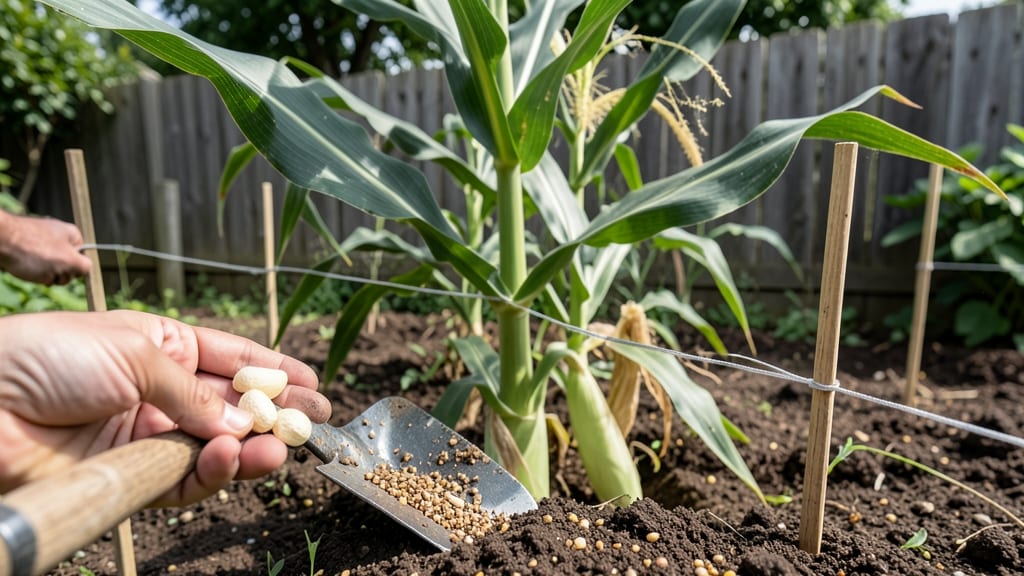
Planting corn in West Virginia’s 5b-7a zones isn’t just about the calendar—it’s about catching that sweet spot when soil temperatures hit 60°F and stay there. Skip this, and your 🌽 seeds might sit there for weeks, waiting for conditions to improve.
I’ve learned the hard way that West Virginia’s unpredictable spring—especially in the mountains versus river valleys—can throw off even the most well-planned garden. But here’s the good news: with the right tricks, you can accelerate germination and get your corn off to a fast start, no matter where you’re planting.
This guide breaks down exactly when to plant for your specific microclimate, which varieties thrive in WV’s shorter season, and how to adjust for early or late frosts. Whether you’re a first-time gardener or a seasoned pro, these insights will help you avoid common pitfalls.
Let’s dive into the soil temperature secrets that make all the difference between a disappointing harvest and a bumper crop ready for late July to September picking.
West Virginia corn planting dates by soil temperature (not calendar months)
West Virginia’s unpredictable spring weather makes calendar-based planting risky for corn. Instead, focus on soil temperature, which determines when seeds will germinate reliably. Corn thrives when soil reaches 50-60°F—colder soils delay sprouting, while warmer temperatures speed it up.
Using a soil thermometer (just $10 at garden centers) ensures you plant at the perfect moment for your microclimate.
Mountain regions like the Allegheny Highlands often stay cooler longer, while river valleys near the Ohio River warm up faster. This 10-14 day difference can mean the difference between a full harvest and stunted plants.
Check temperatures in the morning (7-9 AM), when soils are coolest, for the most accurate reading.
| Region | Soil Temp Target | Ideal Planting Window | Early Variety | Late Variety |
|---|---|---|---|---|
| Northern Mountains (Zone 5b-6a) | 55-60°F | Mid-May to early June | 'Early Sunglow' (65 days) | 'Pioneer 39T23' (100 days) |
| Central Valley (Zone 6b-7a) | 50-55°F | Late April to mid-May | 'Silver Queen' (70 days) | 'Bodacious' (90 days) |
| Southern River Valleys (Zone 7a-7b) | 48-52°F | Early April to late April | 'Peaches and Cream' (68 days) | 'Golden Bantam' (75 days) |
For early-season varieties like 'Early Sunglow,' aim to plant when soil hits 55°F—this typically lands in mid-May for the mountains but can be as early as late April in river valleys. These 60-70 day varieties are your best bet for short-season gardens and avoid summer heat stress.
Mid-season varieties like 'Silver Queen' (70 days) thrive when planted at 50-55°F, giving you a longer harvest window before WV’s first frost in mid-October. Plant these in late April to early May for central WV, where soils warm fastest.
Use black plastic mulch to raise soil temps by 5-10°F if you’re in a cooler pocket.
If you love sweet corn but hate waiting, try succession planting every 2 weeks after your first planting. This stretches your harvest from July to September and ensures you’re never without fresh ears.
For example, plant 'Peaches and Cream' in early April (river valleys) and again in mid-May (mountains) for a double crop.
One common mistake is planting too early, even if soil temps are ideal. Corn seeds can rot in cold, wet soil below 50°F. Wait for consistent warmth—if your thermometer dips below 50°F at night, delay planting by 5-7 days.
Pro tip: Bury the thermometer 2 inches deep for accurate readings at seed level.
West Virginia’s microclimates create unique challenges. In shaded or rocky areas, soil stays cooler, so plant late-season varieties like 'Pioneer 39T23' in early June to avoid frost. Conversely, south-facing slopes warm up faster—plant early varieties there in late April for a head start.
Don’t forget: Corn is wind-pollinated, so plant at least 4 rows (or a minimum of 10 plants) to ensure cross-pollination. If your garden is isolated, consider planting one row of a different variety nearby to boost yields. For example, pair 'Silver Queen' with 'Bodacious' for better kernel set.
Finally, keep a planting journal to track soil temps and success rates. Note when your local garden center stocks seeds—early varieties sell out fast in WV! With this soil-temperature strategy, you’ll beat frost, avoid rot, and enjoy homegrown corn from July to September. 🌽
3 Critical factors that delay or speed up corn germination in WV
West Virginia’s unpredictable spring weather can turn your corn planting plans upside down. I’ve seen seeds sit in cold, damp soil for weeks, waiting for the right conditions to sprout. The key to fast germination lies in three critical factors: soil temperature, moisture balance, and planting depth.
Get these right, and your corn will emerge in 7-10 days instead of struggling for weeks.
First, cold snaps are the biggest enemy. Corn seeds need soil temperatures of at least 50°F to start germinating, but they thrive when it hits 60°F or warmer.
In WV’s Zone 6-7, this often means waiting until late April or early May—even if the calendar says spring has arrived. Skipping this step can leave your seeds sitting in the ground for 3+ weeks, delaying your entire harvest.
- 🌡️ Soil Temperature: Wait until soil reaches 60°F+ (use a soil thermometer!). Cold soil delays germination by 2-4 weeks.
- 💧 Moisture Balance: Overly wet soil suffocates seeds. Test moisture by squeezing soil—it should hold shape but not be soggy. Drainage is key!
- 🌱 Planting Depth: Plant seeds 1 inch deep—any deeper, and they’ll struggle to break through. Use a ruler for consistency!
Next, wet soil is a silent killer. Too much moisture can cause seeds to rot before they even sprout. I’ve lost entire rows because I planted after heavy rains without checking drainage.
To fix this, test your soil’s moisture by squeezing a handful—it should hold together but not be dripping wet. If your soil stays soggy for days, wait or amend with compost to improve drainage.
For shallow planting, many gardeners make the mistake of burying seeds too deep. Corn seeds need just 1 inch of coverage to germinate properly. Any deeper, and they’ll exhaust their energy trying to reach the surface.
Use a small ruler or marker to ensure consistent depth—this small step can double your germination rate.
Finally, fast-germinating varieties like ‘Silver Queen’ or ‘Peaches and Cream’ are your best bet for WV’s shorter growing season. These varieties sprout in 5-7 days and mature quickly, giving you a head start before summer’s heat sets in.
Pair them with row covers for extra warmth, and you’ll see sprouts in half the time!
Don’t let WV’s unpredictable climate ruin your corn crop. With these three adjustments—soil warmth, proper moisture, and correct depth—you’ll be harvesting sweet, plump ears by late July. Happy planting! 🌽