
Plants
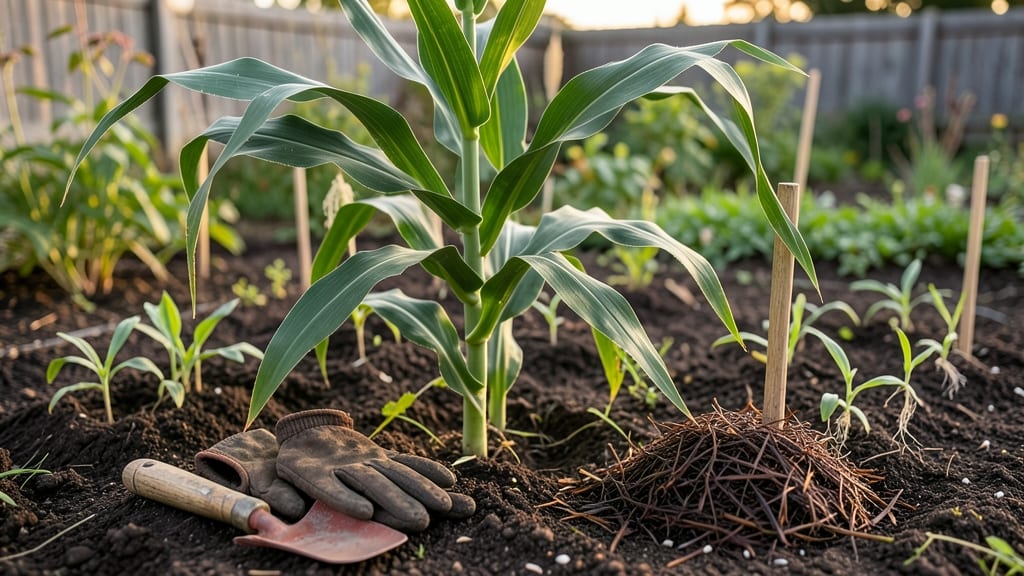
Timing your 🌽 corn planting in New Jersey can mean the difference between a bumper crop and a sad, shriveled disappointment. If you plant too early, frost will nip your tender seedlings in the bud, while waiting too long risks stunted growth and lower yields.
Most gardeners in USDA zones 6a-7a know the struggle—getting those seeds in the ground just right so they mature before the first frost hits in October.
The key is planting 2-3 weeks after your last frost date, typically between mid-April and early June, when soil temperatures hit at least 60°F.
But here’s the thing: not all corn is created equal. Early varieties like ‘Ambrosia’ (70-day maturity) can handle a later start, while longer-season types need that perfect window to reach full potential.
I’ll break down the exact weeks you should plant based on your microclimate and variety, so you can avoid common mistakes and enjoy sweet, plump ears by late summer.
Ready to master the art of New Jersey corn planting? Let’s dive into the precise schedule, soil prep tips, and pro tricks to ensure your garden thrives—no guesswork required.
New Jersey’s exact corn planting timeline by microclimate Zone
New Jersey’s three microclimate zones (6a, 6b, 7a) create distinct planting windows for corn. Missing the soil temperature threshold of 60°F (15°C) means stunted growth, while planting too late risks early fall frosts before harvest.
Let’s break down the exact weeks before last frost for each zone, plus how to adjust for sweet vs. field corn varieties.
Your planting success hinges on last frost dates and days to maturity.
In Zone 6a (northern NJ), aim for 2-3 weeks after last frost (typically April 25-May 5), while Zone 7a (southwest NJ) can start 1-2 weeks earlier (mid-April). Soil thermometers are your best tool—corn seeds won’t germinate below 50°F (10°C), but roots need 60°F+ to thrive.
For sweet corn (60-80 days to harvest), plant in two successive batches 10-14 days apart to stagger harvests. Field corn (100-120 days) needs a longer window—start 1-2 weeks earlier in Zone 7a to avoid early October frosts.
Use this comparison table to pinpoint your ideal planting dates based on your zone and corn type.
In Zone 6a, where first frosts can hit as early as October 10, prioritize short-season varieties like 'Early Sunglow' (70 days) or 'Silver Queen' (75 days). These mature before early fall frosts while still delivering sweet, tender kernels.
For Zone 7a, you can afford slightly longer varieties like 'Peaches and Cream' (85 days) or even field corn for animal feed or roasting.
Pro tip: Use black plastic mulch to warm soil 5-10°F faster, letting you plant 1-2 weeks earlier in cooler zones. Lay it down 2 weeks before planting to maximize soil warmth. Pair this with row covers for early-season protection if nighttime temps dip below 50°F (10°C) after germination.
For successive planting, schedule your second batch 10-14 days after the first. This ensures a continuous harvest through August and early September, avoiding the glut of ripe corn all at once.
In Zone 6a, your last harvest should wrap up by September 15 to avoid kernel starch conversion (turning sweet corn starchy).
Monitor 10-day weather forecasts before planting—consistent 70°F+ (21°C+) days after sowing ensure rapid germination (3-7 days). If nighttime temps drop below 55°F (13°C) after planting, use row covers to protect seedlings until they reach 6 inches tall.
This is especially critical in Zone 6a, where late spring frosts can still occur.
Adjust your planting depth based on soil moisture: 1-1.5 inches deep
How to adjust planting dates for early vs. late varieties in NJ
New Jersey’s short growing season demands precision when planting corn varieties. The key is matching your corn maturity to the right planting window. For short-season varieties (like ‘Ambrosia’ at 70 days), you can plant as late as early June and still harvest before frost.
But long-season varieties (like ‘Golden Bantam’ at 100 days) need an earlier start—mid-April to early May—to avoid stunted growth.
I’ve planted both types and learned that soil temperature is just as critical as frost dates. Corn won’t germinate well below 60°F, so always check soil temps with a thermometer. In USDA zone 6a, aim for mid-April; in zone 7a, early May works best for long-season types.
🌽 Corn Planting Schedule by Variety Type
- Short-Season (60-80 days): Plant late May to early June for harvest by late August. Ideal for ‘Silver Queen’ or ‘Peaches and Cream’.
- Mid-Season (80-100 days): Plant mid-April to early May for harvest by late September. Best for ‘Ambrosia’ or ‘Bodacious’.
- Long-Season (100-120 days): Plant early April to mid-April for harvest by early October. Try ‘Country Gentleman’ or ‘Golden Bantam’.
- Succession Planting: For continuous harvests, plant short-season types every 2 weeks from late May to early July.
Pro Tip: Use black plastic mulch to warm soil faster and extend the season by 2-3 weeks for late plantings.
To push your planting window even further, I recommend using row covers or low tunnels. These can add 4-6°F of warmth, letting you plant 2 weeks earlier in spring or 2 weeks later in summer. Just remove covers when plants are 6 inches tall to avoid overheating.
For late-season varieties, focus on soil prep—amend with compost to improve drainage and fertility. Corn is heavy-feeder, so add a balanced fertilizer (10-10-10) at planting and side-dress with nitrogen when plants are 6 inches tall.
In my garden, this extra care helps long-season types reach maturity even in cooler NJ summers.
Don’t forget to space plants correctly: 12-18 inches apart in rows 30-36 inches apart. Crowding reduces airflow, increasing the risk of fungal diseases like corn smut. I’ve lost entire rows to smut in tight beds, so proper spacing is non-negotiable.
Finally, keep an eye on weather forecasts in late August. If a hard frost is predicted, harvest long-season corn immediately—even if ears aren’t fully mature. You can blanch and freeze them for later use. With these adjustments, you’ll maximize your NJ corn harvest every season. 🌾