
Plants
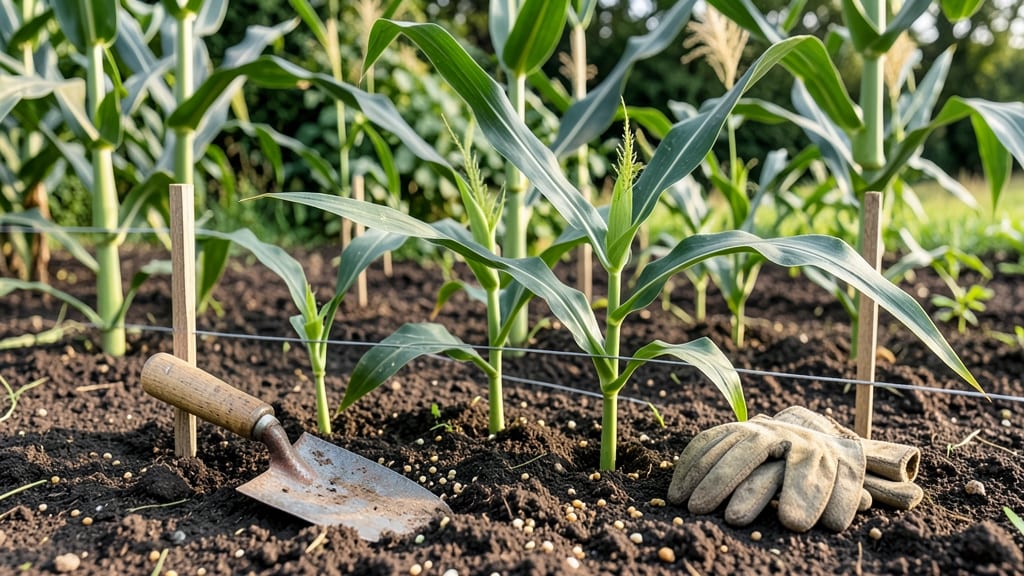
Planting sweet corn 🌽 in Michigan isn’t just about the calendar—it’s about dodging frost, warming soil, and catching that 60-day window between last frost and first harvest. Get it wrong, and you’ll end up with sad, stunted ears or worse, nothing at all.
The good news? With the right timing, you can turn your garden into a cornucopia of golden kernels—even in Michigan’s fickle climate.
Most gardeners in USDA zones 5b-6b swear by mid-April to early June as the sweet spot, but that’s just the starting line. The real magic happens when soil temps hit 50°F+—too cold, and seeds rot; too hot, and they bolt too fast.
I’ll break down the exact dates for Detroit, Grand Rapids, and the Upper Peninsula, so you can plant with confidence and avoid the common mistakes that leave gardens empty-handed.
Whether you’re a first-timer or a seasoned grower, timing is everything. We’ll cover how to adjust for microclimates—like lake-effect cooling near Traverse City or urban heat islands in Detroit—and when to use row covers to stretch your season.
By the end, you’ll know not just when to plant, but how to set yourself up for a bumper crop of sweet, juicy ears.
Ready to stop guessing and start growing? Let’s dive into the science—and the secrets—behind Michigan’s most reliable sweet corn planting schedule. Your garden (and your dinner table) will thank you.
Michigan sweet corn planting dates by USDA hardiness zones (4-6)
Timing is everything when planting sweet corn in Michigan, where last frost dates can vary by 3+ weeks between zones. In Zone 4a (Upper Peninsula), you’ll need to wait until late May, while Zone 6b (southern Michigan) can start as early as mid-April.
The key is planting when soil temperatures hit 50°F+ and all frost risk has passed.
Sweet corn thrives in Michigan’s 150-180 frost-free days, so choosing the right maturity window is critical. Early varieties (60-70 days) work best in Zone 4a, while longer-season varieties (80-90 days) can succeed in Zone 6b.
Let’s break down the exact planting windows for each zone, including last frost averages for major cities.
For Zone 4a gardeners in the Upper Peninsula, patience is key—wait until after May 15 when soil temperatures consistently stay above 55°F. Use row covers or black plastic mulch to warm the soil faster.
In contrast, Zone 6b gardeners in southwest Michigan can start as early as late March if using season extenders like cold frames.
Detroit’s urban heat island effect means earlier planting (as early as late March) is possible, but monitor soil
How to adjust planting dates for Michigan’s microclimates (urban vs. rural)
Michigan’s urban heat islands—like Detroit—can be 5-10°F warmer than rural areas, while Great Lakes shorelines experience lake-effect cooling that delays spring. Even the Upper Peninsula’s high-altitude zones face earlier frosts. These microclimates shift ideal planting windows by 2-4 weeks, so adjust your schedule accordingly.
In urban Detroit, plant sweet corn 1-2 weeks earlier (late April) than rural areas because asphalt and buildings trap heat, warming soil faster. Conversely, Great Lakes shorelines (e.g., Traverse City) may need to wait until mid-May due to cooler lake breezes lingering into spring.
⚠️ WARNING: Planting Too Early ⚠️ Sweet corn seeds won’t germinate below 50°F soil, and young plants won’t survive frost. In Zone 4a (UP), wait until May 15—even if rural areas seem ready.
Use a soil thermometer to confirm 60°F+ before planting. Urban gardens can push dates 1 week earlier, but rural high-altitude areas may need to delay until late May.
For extended harvests, use succession planting: sow 2-3 plantings every 10-14 days in May. In Detroit’s heat islands, your last planting can stretch to early June, while UP gardens should stop by June 1 to avoid fall frosts.
Pair this with row covers to buy 2-3 extra weeks in cooler zones.
Cold frames or low tunnels let you start seeds indoors in March for urban areas, then transplant after last frost. In rural UP zones, harden off seedlings in a protected microclimate (e.g., near a south-facing wall) before moving outdoors.
Always monitor local frost forecasts—Detroit’s heat islands can have unpredictable nighttime drops.
Lake-effect zones (e.g., Muskegon) benefit from early June plantings if May starts are risky. Test soil moisture weekly—sandy UP soils dry faster than clay-heavy Detroit gardens. Mulch with straw or grass clippings to retain moisture and regulate soil temps.
Adjust watering: urban gardens may need daily checks, while rural UP areas can stretch to every other day.
Pro tip: Track your garden’s microclimate quirks for 2 years. Note when last frost actually occurs (not just averages) and adjust future plantings. For example, a Detroit backyard might be Zone 6b while a UP valley stays Zone 4a—plant accordingly.
With these tweaks, you’ll maximize yields across Michigan’s diverse growing conditions. 🌽