
Plants
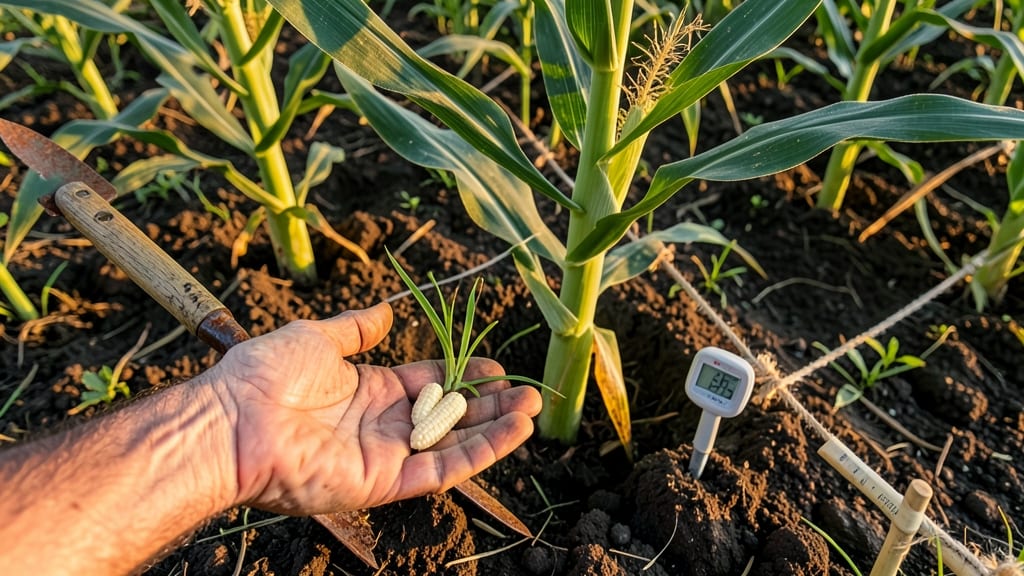
Timing your 🌽 corn planting in Northeast Ohio isn’t just about the calendar—it’s about dodging late frosts and maximizing your harvest before summer slips away. Plant too early, and those tender seedlings could get nipped by frost; too late, and your golden ears might never reach full potential.
With USDA Zone 6a conditions, the sweet spot for planting corn falls between mid-April and mid-May, when soil temperatures finally hit that critical 60°F mark. But here’s the catch: Northeast Ohio’s unpredictable springs mean you’ve got to stay flexible, adjusting for microclimates whether you’re in Cleveland, Akron, or Youngstown.
I’ll break down the exact weeks before your last frost to plant for peak yields, plus how to handle those pesky weather delays.
Whether you’re growing sweet corn for summer suppers or field corn for livestock, these tips will help you avoid common mistakes and set your garden up for success.
Ready to turn your backyard into a cornfield? Let’s get into the specifics—so you can enjoy fresh, homegrown ears from July right through September.
Northeast Ohio corn planting calendar: exact weeks before last frost by variety
Northeast Ohio’s short growing season and variable frost dates make timing critical for corn success. The average last frost date ranges from mid-April in Youngstown to early May in Cleveland’s urban heat islands, but microclimates can shift this by 1-2 weeks.
Plant too soon and risk frost damage to young seedlings; too late and your 90-day varieties won’t mature before fall frosts. Here’s the exact schedule by corn type and region.
For sweet corn, aim to plant 2-3 weeks after your last frost date when soil temperatures consistently reach 60°F (15°C). Field corn and popcorn are hardier and can tolerate slightly cooler soils, but still wait until 55°F (13°C) minimum. Use these regional adjustments:
Cleveland: Last frost April 20-25 → Plant May 5-10 for sweet corn.
Akron: Last frost April 15-20 → Plant April 25-May 5.
Youngstown: Last frost April 10-15 → Plant April 20-May 1.
| Variety | Days to Maturity | Planting Window (Weeks Before Last Frost) | Soil Temp Requirement | Regional Adjustment |
|---|---|---|---|---|
| Sweet Corn (e.g., 'Silver Queen') | 60-75 days | 2-3 weeks | 60°F+ (15°C) | Urban areas: delay 1 week |
| Sweet Corn (e.g., 'Ambrosia') | 75-90 days | 1-2 weeks | 55°F+ (13°C) | Rural areas: plant 1 week earlier |
| Field Corn (e.g., 'Pioneer 33B13') | 90-110 days | 0-1 week | 50°F+ (10°C) | All regions: plant at frost date |
| Popcorn (e.g., 'Golden Bantam') | 80-100 days | 1-2 weeks | 55°F+ (13°C) | High elevations: extend to 3 weeks |
For sweet corn varieties like 'Silver Queen' (60-75 days to maturity), stick to the 2-3 week window before last frost. These early-maturing types need precise timing—plant too late and they’ll struggle to reach dent stage before frost.
Use black plastic mulch to warm soil faster if your spring is slow.
If you’re growing field corn or popcorn, you have slightly more flexibility. Field corn like 'Pioneer 33B13' can handle planting right at frost date thanks to its 90-110 day maturity. Popcorn varieties like 'Golden Bantam' (80-100 days) benefit from a 1-2 week buffer—ideal for high-elevation areas where frosts linger.
Pro tip: Use a soil thermometer to confirm readiness. Corn seeds won’t germinate below 50°F (10°C), but 60°F (15°C) is optimal. In Cleveland’s urban heat islands, soil warms 3-5 days faster than rural areas—adjust your planting date accordingly.
For Akron and Youngstown, monitor local frost forecasts from the Ohio State University Extension for real-time adjustments.
For late varieties or backup planting, consider June sowings of short-season types like 'Early Sunglow' (65 days). While yields may be lower, this ensures at least some harvest if spring planting fails. Just be prepared to harvest before full maturity—ears may be smaller but still edible.
Remember: Corn needs space—plant in blocks (not rows) for cross-pollination. Use 12-18 inches between plants and 30-36 inches between rows. In containers, choose bush varieties like '
How to adjust corn planting dates for Northeast Ohio’s unpredictable spring
Northeast Ohio’s spring weather can be as unpredictable as a toddler’s mood—one day sunny and warm, the next a surprise frost. Corn, with its 60-day minimum to maturity for early varieties, demands precision.
Plant too soon and risk frost damage to tender seedlings; too late and your harvest shrinks. The key? Flexibility and soil temperature tracking.
Start by checking your last frost date, which typically falls around mid-April for most of Northeast Ohio. However, microclimates in areas like Cleveland’s lake-effect zones or Youngstown’s valleys can shift this by 1-2 weeks.
Use the Ohio State University Extension’s frost date map as your baseline, then adjust based on your yard’s specific conditions.
⚠️ callout warning
Soil temperature is more critical than air temperature for corn. Wait until your soil reaches a consistent 60°F (15°C) at 4-inch depth. A soil thermometer ($10 at garden centers) is your best tool—rental properties or urban gardens often run 5-10°F cooler than rural areas.
In 2023’s late spring, I planted corn in early May after soil hit 62°F, avoiding the April 22 frost that wiped out my neighbor’s early attempt.
For a backup plan, stagger your planting. Sow early varieties (60-70 days to maturity) like ‘Silver Queen’ in late April if soil is workable, then follow with mid-season (75-85 days) varieties like ‘Peaches and Cream’ two weeks later.
This ensures you’ll have at least one harvest even if Mother Nature throws a curveball. In 2022’s cold snap, my staggered approach gave me a 3-week harvest window instead of none.
Track moisture levels alongside temperature. Corn needs 1-2 inches of water weekly during germination, but soggy soil delays sprouting. Use a moisture meter to avoid overwatering—my 2021 crop struggled when I watered daily instead of every other day after rains.
Pair this with mulch (straw or grass clippings) to stabilize soil temps and retain moisture.
Finally, embrace successive planting. If your first batch bolts due to heat (common in June’s 90°F+ dayssecond round in early July with short-season varieties like ‘Early Sunglow’ (65 days).
This tactic adds 2-3 weeks to your harvest season. In Northeast Ohio’s short 165-day growing season, every extra week counts.