
Plants
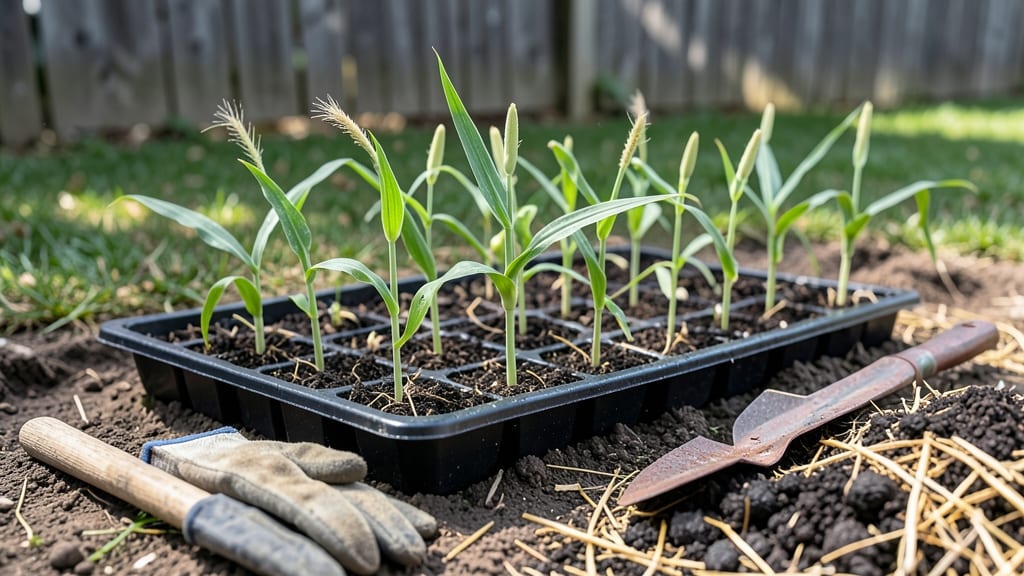
Planting corn in Colorado at the wrong time can mean the difference between a bountiful harvest and a total flop—especially when unpredictable frost dates and high-altitude zones throw off your timing.
With USDA zones 5-7 and elevations ranging from valleys to mountain slopes, knowing the exact window for your specific location is the key to avoiding bolting and maximizing yields.
Most gardeners in Colorado wait until mid-April to mid-June, but that’s a broad range that doesn’t account for your elevation or microclimate. At lower elevations, soil temperatures hit that critical 60°F mark earlier, while mountain growers may need to wait weeks longer.
I’ll break down the precise planting dates tailored to your zone so you can time it perfectly for zero-bolt success.
Whether you’re growing sweet corn for summer meals or dent corn for storage, the right variety and planting strategy make all the difference.
From using row covers to extend your season to choosing cold-hardy varieties like ‘Golden Bantam,’ I’ll share the exact steps to adapt to Colorado’s climate—no guesswork, just results.
Ready to grow corn that thrives? Let’s dive into the elevation-specific planting schedule that’ll have your 🌽 stalks tall and your harvest plentiful, no matter where you are in the state.
Colorado corn planting dates by elevation: exact timing for zero-bolt success
Colorado’s diverse elevations create a unique challenge for corn growers. Lowland areas (3,000–5,000 ft) enjoy warmer springs, while high-altitude zones (7,000+ ft) face late frosts that can devastate tender seedlings. Getting your planting dates wrong by even a week can trigger bolting—when corn prematurely flowers and produces inedible ears.
To avoid this, I’ve broken down the exact timing you need for each elevation zone, based on last-frost averages and soil temperature thresholds.
Corn thrives when soil temperatures stay above 50°F consistently. In Colorado, this means waiting until mid-April to late May, depending on your elevation. High-altitude gardens often need to plant 3–4 weeks later than lowland areas to avoid frost damage.
I’ll show you how to calculate your personalized planting window using local frost data and soil thermometers—because even a 5°F difference can mean the difference between a bumper crop and a total loss.
🌽 PRO TIP: Use a soil thermometer to confirm readiness—corn seeds won’t germinate below 50°F, and slow starts lead to weak plants prone to bolting.
| Elevation Zone | Avg. Last Frost | Soil Temp Threshold | Ideal Planting Window | Risk if Planted Too Early |
|---|---|---|---|---|
| Lowland (3,000–5,000 ft) | April 1–15 | 50°F+ (consistent) | Mid-April to early May | Bolting, frost damage |
| Mid-Elevation (5,000–7,000 ft) | April 15–May 1 | 55°F+ (consistent) | Late April to mid-May | Slow germination, weak stalks |
| High-Altitude (7,000+ ft) | May 1–15 | 60°F+ (consistent) | Late May to early June | Frost kill, stunted growth |
For lowland Colorado (3,000–5,000 ft), aim to plant corn between mid-April and early May. This aligns with the average last frost date of April 1–15, giving your corn 120–140 frost-free days to mature.
Use early-maturing varieties like ‘Silver Queen’ (60–65 days) if you’re pushing the early window, or ‘Peaches and Cream’ (80–85 days) for a more reliable harvest. Soil temperature is your best guide—wait until it hovers above 50°F for 5+ days before planting.
In mid-elevation zones (5,000–7,000 ft), where last frosts typically hit April 15–May 1, shift your planting to late April or early May. The cooler nights here slow germination, so warm the soil with black plastic mulch or a cold frame to speed things up.
Varieties like ‘Golden Bantam’ (75–80 days) are better suited for these altitudes, as they tolerate cooler soils and shorter seasons.
If you’re gardening above 7,000 ft, consider yourself in the high-altitude corn belt. Last frosts here can linger until May 1–15, and soil temperatures below 55°F will stall germination.
Plant late May to early June using short-season varieties like ‘Early Sunglow’ (70–75 days) or ‘Ambrosia’ (80 days). For extra protection, use row covers or plant near south-facing walls to capture heat.
🌡️ KEY FACTOR: Soil temperature is more critical than air temperature. A soil thermometer ($15 at garden centers) will save you from planting too soon. Corn seeds won’t sprout below 50°F, and slow starts lead to weak, bolting-prone plants.
To extend your harvest window, consider succession planting every 2 weeks after your initial date. This works especially well in lowland areas, where you can squeeze in 2–3 plantings before summer heat sets in.
In high-altitude zones, focus on one robust planting with the most cold-hardy variety you can find. Black plastic mulch can add 2–4°F to soil temperature, giving you an extra <
How to adjust planting dates for Colorado’s microclimates and corn varieties
Colorado’s diverse microclimates mean your corn’s ideal planting window can shift dramatically between Front Range valleys and mountain foothills. Sweet corn (like ‘Peaches and Cream’) needs warmer soil to prevent bolting, while dent corn (like ‘Golden Bantam’) tolerates cooler starts.
Understanding these differences lets you extend your harvest by weeks—or even months—using simple tools like row covers and black plastic mulch.
At higher elevations (7,000+ ft), where last frosts linger into mid-June, cold-hardy varieties and season extenders become game-changers. Meanwhile, lowland areas (3,000–5,000 ft) can start planting as early as late April, but heat-sensitive varieties risk bolting if sown too soon.
The key? Match your corn type to your microclimate and use protective strategies to fine-tune timing.
Sweet Corn (e.g., 'Peaches and Cream')
Plant after soil reaches 60°F (typically mid-May at 7,000+ ft, late April below 5,000 ft). Use black plastic mulch to warm soil 2–3 weeks earlier.
Dent Corn (e.g., 'Golden Bantam')
Tolerates cooler starts (50°F soil); plant 2–3 weeks earlier than sweet corn. Ideal for high-altitude gardens where frost lingers.
Flint Corn (e.g., 'Country Gentleman')
Drought-tolerant; plant early April in lowlands or late May in mountains. Best for dry microclimates with irregular rainfall.
Row Covers & Mulch
Add 1–2 weeks to your planting window by using floating row covers (remove when tassels appear) or black plastic mulch (warms soil by 10–15°F).
For mountain gardeners, cold-hardy varieties like ‘Golden Bantam’ are non-negotiable. This dent corn thrives in 50°F soil and can handle light frosts after germination, giving you a 3-week head start over heat-loving sweet corn.
Pair it with row covers for an extra 2-week extension—critical when frost can return as late as June 15 at 8,000 ft.
Black plastic mulch is my secret weapon for lowland gardens. By laying it down 2 weeks before planting, I’ve pushed sweet corn starts from mid-May to early April in Denver’s urban heat islands.
The mulch also suppresses weeds and retains moisture, reducing my watering by 30%. For high-altitude sites, combine mulch with row covers to create a microclimate bubble that mimics lower elevations.
Timing isn’t just about dates—it’s about soil temperature. Use a soil thermometer to confirm 60°F for sweet corn or 50°F for dent corn before planting.
In Pueblo (5,000 ft), I’ve planted ‘Peaches and Cream’ as early as April 20 when soil hit 62°F, but in Fort Collins (5,500 ft), I wait until May 10 to avoid frost damage. Adjust your calendar based on local frost records and your garden’s sun exposure.
Pro tip: Plant successive crops every 2 weeks to stagger harvests. In Colorado’s short season, this means 3–4 plantings total—start with early varieties (like ‘Golden Bantam’) and end with late-season sweet corn (like ‘Silver Queen’).
Use shade cloth over young plants if late frosts threaten, then remove it once tassels emerge to prevent heat stress.