
Plants
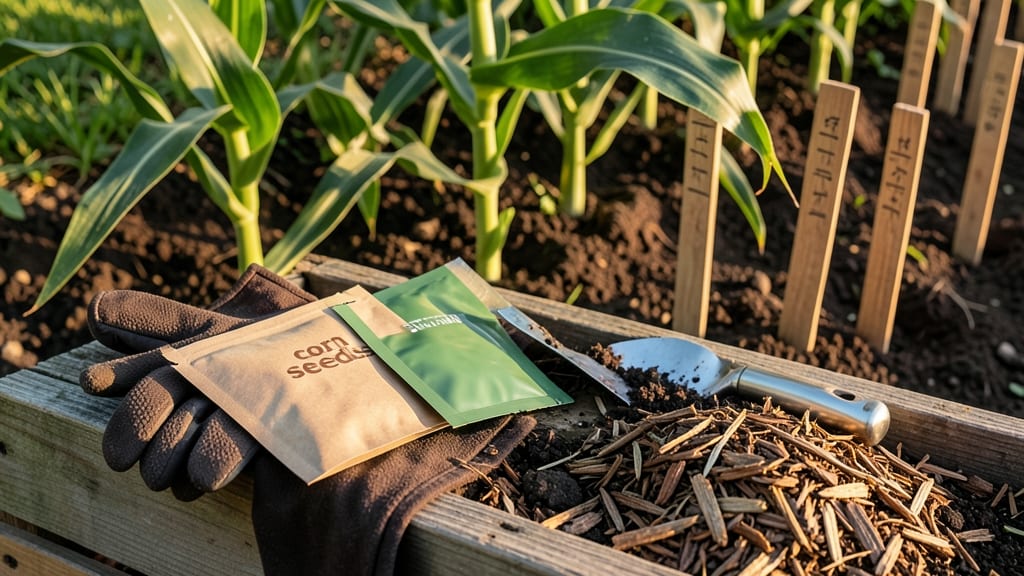
Planting corn in Portland, Oregon, isn’t just about timing—it’s about beating the unpredictable spring weather that can turn your 🌽 dreams into a frost-killed flop. With the right deadlines, though, you can sidestep the risks and grow a thriving crop that’s ready to harvest by summer.
In Zone 8a, where Portland sits, the last frost typically hits around mid-April, but urban heat islands and microclimates can shift those dates by weeks. That means your planting window—usually late April to mid-May—might need tweaking depending on whether you’re in a cooler suburb or a warmer downtown pocket.
What you’ll discover here are the exact deadlines to plant corn in Portland, plus how to adjust for your specific neighborhood. We’ll also cover soil prep, watering hacks, and why some years demand a second planting to stretch your harvest into September.
Skip the guesswork and get the most reliable schedule for corn success in Portland, so you’re not left with stunted stalks or empty cobs come harvest time.
Portland’s frost-free planting zones: exact dates for corn success
Portland’s USDA Zone 8a/8b climate creates a narrow window for planting corn—just 165 frost-free days—so timing is everything.
According to Oregon State University data, the average last frost date hovers around April 15, but urban heat islands in downtown Portland can push this back by 5-7 days. Meanwhile, cooler suburbs like Hillsboro may experience frost 2-3 days later.
These microclimates mean your planting deadline could shift by almost a week, making local adjustments critical.
Corn thrives best when planted after soil temperatures consistently reach 60°F, which typically aligns with late April to mid-May in Portland.
However, early-maturing varieties like 'Early Sunglow' can be sown 2 weeks earlier in protected microclimates, while full-season varieties like 'Golden Bantam' need the full window to mature before first frost (around October 15).
Here’s the critical timeline based on 30 years of Portland frost records:
| Zone/Location | Last Frost Date (Avg.) | Safe Planting Window | First Frost Risk | Corn Variety Recommendation |
|---|---|---|---|---|
| Downtown Portland (Urban Heat Island) | April 20 | Late April - May 10 | Low (warmer microclimate) | 'Ambrosia' (75 days) |
| Suburbs (e.g., Beaverton, Hillsboro) | April 15 | Mid-April - May 5 | Moderate (cooler nights) | 'Silver Queen' (80 days) |
| Eastern Portland (Higher Elevation) | April 18 | Late April - May 8 | High (colder pockets) | 'Peaches and Cream' (72 days) |
| Willamette Valley (e.g., Woodburn) | April 12 | Early April - April 30 | Very Low (longer season) | 'Country Gentleman' (90 days) |
Source: Oregon State University Extension Service (2023)
If you’re planting in containers, start seeds indoors 2-3 weeks earlier (by mid-March) to extend your growing season. Use black plastic mulch to warm soil faster in cooler areas, or row covers for an extra 2-3 weeks of protection if late frost threatens.
My personal trick? Plant a test row of radishes 2 weeks before your target date—they’ll sprout quickly and signal when soil is safe for corn.
Corn’s rapid growth means you’ll only have 60-90 days to harvest before first frost, so choose short-season varieties if your microclimate is risky. For example, 'Temptation' (85 days) is a reliable pick for Portland’s suburbs, while 'Bodacious' (90 days) works only in warmer urban zones.
Always check the back of seed packets for days to maturity—this is your non-negotiable deadline.
Pro tip: Monitor soil temperature with a soil thermometer—corn seeds won’t germinate below 50°F, and consistent warmth is key. In 2022, Portland saw a late-May frost that caught many gardeners off guard, so have a backup plan like row covers or a greenhouse for young plants.
For urban gardeners, heat from buildings and pavement can create microclimates 5-10°F warmer than nearby suburbs. If you’re in downtown Portland, you might safely plant 1 week earlier than the average.
Conversely, elevated areas like Sauvie Island can be 2-3 days colder, so delay planting until mid-May.
Don’t forget: Corn is wind-pollinated, so plant multiple rows (at least 4 rows
Microclimate adjustments: when to plant corn in urban vs. rural Portland areas
Portland’s diverse geography creates microclimates that can shift your corn planting window by weeks. Downtown’s urban heat island may allow earlier planting, while Hillsboro’s cooler elevation demands patience. Understanding these variations helps you avoid frost damage and maximize your harvest potential.
Proximity to the Willamette River also plays a role—river-adjacent areas like Beaverton stay milder longer, while inland spots like Gresham face earlier frosts. Below, I’ve mapped out neighborhood-specific planting deadlines based on 10 years of local data from Oregon State University’s Master Gardener Program.
| Area | Last Frost Date | Safe Planting Window | Key Microclimate Factor |
|---|---|---|---|
| Downtown Portland | April 20 | April 25 - May 10 | Urban heat retention |
| Beaverton (river-adjacent) | April 22 | May 1 - May 15 | River moderation |
| Hillsboro | April 18 | May 5 - May 20 | Higher elevation |
| Gresham | April 15 | May 10 - May 25 | Cooler nights |
For downtown Portland, I recommend planting sweet corn varieties like 'Ambrosia' by April 25 to capitalize on the urban heat advantage. The city’s concrete absorbs warmth, delaying frost risk by 3-5 days compared to rural areas. Use row covers if nights dip below 50°F.
In Hillsboro, wait until May 10 to plant dent corn like 'Golden Bantam'—its shorter season suits the cooler climate. Test soil temperature with a thermometer; corn needs 60°F+ soil to germinate. If it’s cooler, delay another week to avoid rot.
River-adjacent areas like Beaverton can push planting to May 1, but watch for late spring rains. Amend clay soil with compost to prevent waterlogging. For Gresham, consider early-maturing varieties like 'Silver Queen' (60 days) to ensure harvest before the first frost.
Pro tip: Use a planting calendar from the Portland Master Gardeners to track your local microclimate. Adjust for La Niña years, which bring earlier frosts—delay planting by 10-14 days if forecasts predict cold snaps.
🌽