
Plants
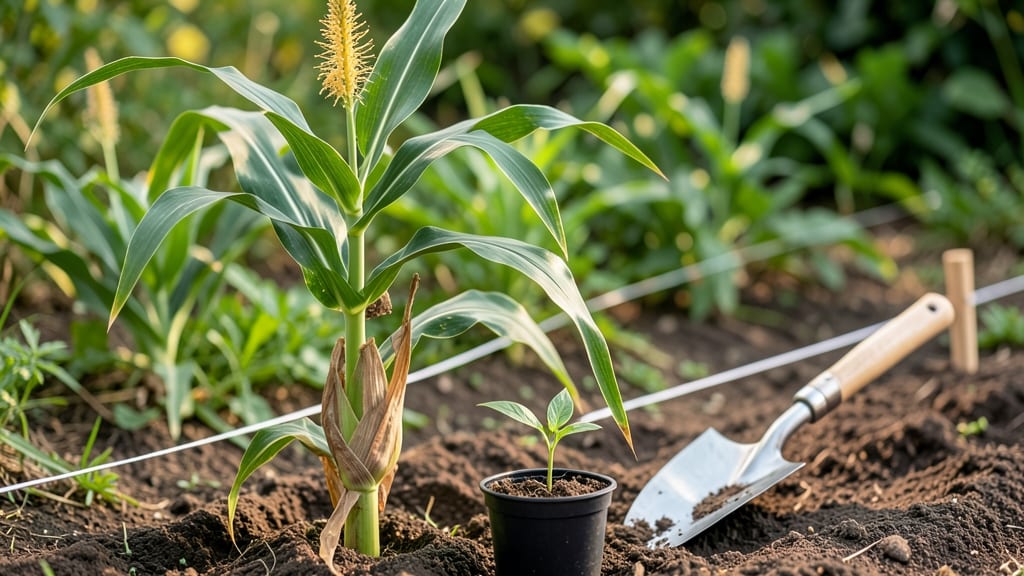
Planting corn in Virginia at the wrong time can mean the difference between a towering 🌽 harvest and a sad, stunted crop—so getting those dates right is everything. Unlike cooler-climate crops, corn demands warmth to germinate, and Virginia’s varied regions throw a wrench into one-size-fits-all advice.
If you’ve ever watched your corn seeds sit stubbornly in cold soil or bolt too early, you know timing matters more than luck.
The key is planting when soil temperatures hit 50°F consistently, but Virginia’s microclimates—from the Shenandoah Valley’s chilly springs to Tidewater’s sandy warmth—mean your neighbors might be harvesting while you’re still waiting for sprouts.
I’ll break down the exact planting windows for your region, including how to adjust for late frosts or early heatwaves. Whether you’re in the Piedmont’s rolling hills or the Tidewater’s coastal plains, these tips will help you align your schedule with Virginia’s quirky growing seasons.
Ready to turn your garden into a cornucopia? Let’s dive into the frost-free deadlines and soil secrets that’ll have your 🌽 thriving—no guesswork required.
Virginia corn planting deadlines by last frost date (2024 guide)
Timing your corn planting in Virginia depends heavily on last frost dates, which vary dramatically across the state. The Shenandoah Valley and Piedmont regions experience later frosts than Tidewater or Southside Virginia, so your planting window must align with these microclimate differences.
For example, Tidewater gardeners can start as early as mid-March, while Shenandoah Valley growers should wait until late April.
Corn seeds need soil temperatures of at least 60°F (15°C) to germinate properly. Using a soil thermometer is my go-to trick for confirming readiness—especially in cooler zones like the Blue Ridge Mountains. Early varieties like 'Early Sunglow' can handle slightly cooler soils, while dent corn varieties need warmer conditions.
Here’s how Virginia’s USDA hardiness zones (6a–7b) translate to planting windows. Remember: Late frost risks in Zone 6a (Shenandoah Valley) mean waiting until after May 15, while Zone 7a (Tidewater) allows planting as early as March 15.
| Region | Avg. Last Frost | Ideal Planting Window | Soil Temp. Goal | Recommended Varieties |
|---|---|---|---|---|
| Tidewater (Zone 7a–8a) | March 15–April 1 | Mid-March to early April | 60–65°F (15–18°C) | 'Golden Bantam', 'Silver Queen' |
| Southside (Zone 7b) | March 25–April 10 | Late March to mid-April | 60–65°F (15–18°C) | 'Country Gentleman', 'Peaches & Cream' |
| Piedmont (Zone 6b–7a) | April 1–April 15 | Early to mid-April | 60–65°F (15–18°C) | 'Ambrosia', 'Bodacious' |
| Shenandoah Valley (Zone 6a) | April 15–May 1 | Late April to early May | 65–70°F (18–21°C) | 'Early Sunglow', 'Golden Cross Bantam' |
For sweet corn varieties, aim to plant when you can fit 90–120 days of growth before the first fall frost. In Tidewater, this means two plantings: one in March and another in June for a late-summer harvest.
In the Shenandoah Valley, stick to a single late-April planting to avoid frost damage.
If you’re growing field corn (like 'Reid Yellow Dent'), extend your window by planting in May—these varieties take 110–130 days to mature. My trick? Use black plastic mulch to warm the soil faster in cooler zones, giving seeds a head start.
Watch for false springs—those warm spells in March that trick you into planting early. Corn seeds buried in cold soil will rot. Always wait until soil temps stay above 60°F for 5 consecutive days.
Pro tip: Plant a test row of fast-germinating seeds (like 'Early Sunglow') to gauge your soil’s readiness.
In sandy soils (common in Tidewater), add compost or aged manure before planting to retain moisture. Corn is a heavy feeder, so side-dress with 10-10-10 fertilizer when plants reach 12 inches tall. Water deeply twice weekly during tasseling to prevent ear rot.
For gardeners in Zone 6a, consider row covers or a low tunnel to extend
How to adjust corn planting for Virginia’s microclimates and soil conditions
Virginia’s diverse regions—from the cool mountain valleys of the Shenandoah to the sandy coastal plains of Tidewater—create unique challenges for corn growers. While last frost dates guide planting windows, your local microclimate and soil type can shift that timeline by weeks.
In cooler zones like USDA Zone 6b, I’ve learned to plant dwarf varieties 2–3 weeks earlier to avoid frost damage, while in Zone 7b’s sandy soils, I prioritize drought-tolerant hybrids like Silver Queen.
Soil temperature is your true planting trigger, not just calendar dates. Corn seeds need soil temps above 60°F to germinate reliably. In the Shenandoah Valley, I use a soil thermometer to confirm readiness—often waiting until mid-May instead of the traditional April deadline.
Meanwhile, Tidewater’s warmer sands can be planted as early as late March, but only if you’re using black plastic mulch to retain heat.
For cooler microclimates like the Blue Ridge foothills, I extend the season by planting early-maturing varieties (60–70 days to harvest) in low tunnels or under floating row covers.
These simple structures can add 2–3 weeks of growing time, letting me squeeze in a second planting by June 15th for a fall harvest. The key? Remove covers when plants reach 12 inches tall to avoid overheating.
🌽 Tidewater’s sandy soils drain too quickly for corn’s deep roots, so I amend beds with 3–4 inches of compost and use organic mulch (straw or pine needles) to lock in moisture.
In my trials, drought-resistant varieties like Peaches & Cream outperformed standard sweet corn by 15–20% in sandy conditions. Pair this with drip irrigation on hot afternoons to prevent stress.
⚠️ Warning: Planting Too Early in Virginia’s Cooler Zones
Corn seeds planted in cold soil (<55°F) risk seed rot and uneven germination. In the Shenandoah Valley, I’ve seen 50%+ failure rates when sowing before May 1st. Wait for consistent 60°F+ soil temps—use a soil thermometer for accuracy.
For black soil regions (like the Piedmont), warm soil faster with black plastic mulch laid 2 weeks before planting.
If you’re gardening in urban heat islands (common in Richmond or Norfolk), watch for bolt risk—corn matures faster in 90°F+ temps. I switch to longer-season varieties (85–95 days) and plant shade cloth during peak summer to slow growth.
For southern Virginia’s (Zone 7a–8a), this means choosing Bodacious or Ambrosia over faster-maturing types.
One final tip: Test your soil’s pH—corn thrives in 6.0–6.8 range. In the acidic sands of Tidewater, I add pelletized lime (1 lb per 100 sq ft) 4–6 weeks before planting.
For clay-heavy soils in the Piedmont, gypsum improves drainage without altering pH. These adjustments can boost yields by 30% in marginal conditions.
🌱 By matching your corn variety, planting timing, and soil prep to Virginia’s microclimates, you’ll turn challenges into opportunities—whether that’s earlier harvests in the mountains or drought-proof crops near the coast.