
Plants
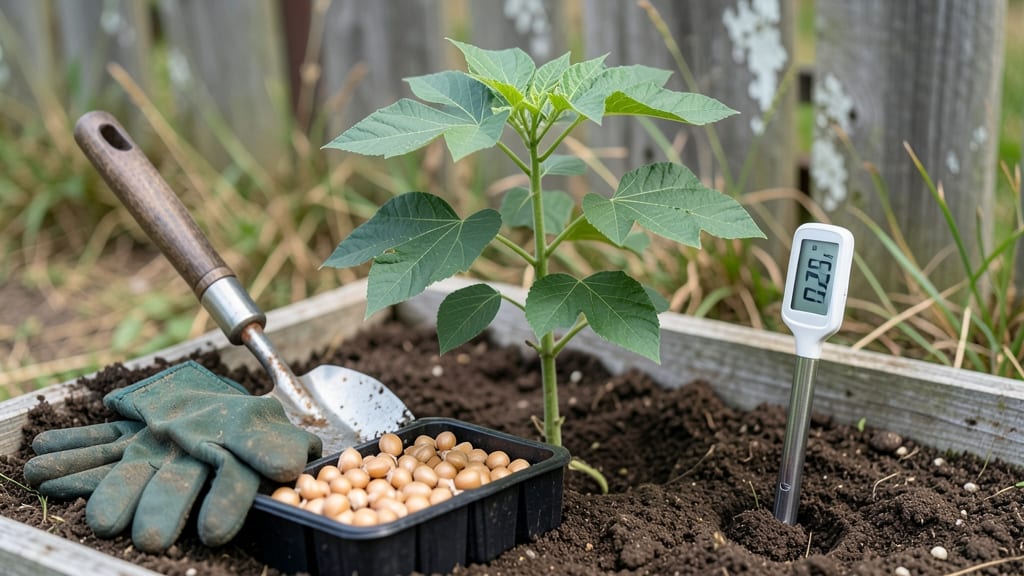
Planting cotton in North Carolina at the wrong time could mean the difference between a bountiful harvest and a total flop—especially when your soil isn’t ready or frost lingers longer than expected.
The ideal window for sowing 🧵 is narrow, and getting it wrong can leave your plants vulnerable to late frosts or stunted growth.
For most of NC’s 7a-8b zones, the sweet spot is late April through early May, once soil temperatures hit a steady 60°F and the last frost has passed. But here’s the catch: Coastal Plain growers can start a week earlier than those in the Mountains, where cooler nights delay germination.
I’ll break down the exact frost-free timeline for your region, soil prep secrets to boost germination, and how to adjust for NC’s unpredictable spring weather. No more guessing—just data-driven planting for maximum yield.
Ready to turn your cotton patch into a thriving crop? Let’s dive into the step-by-step guide that’s already helped NC farmers double their harvests.
North Carolina cotton planting dates by last frost & soil temperature
Growing cotton in North Carolina requires precise timing to capitalize on the state’s USDA Zones 7a-8b and avoid late spring frosts. The Coastal Plain, Piedmont, and Mountain regions each have distinct frost-free windows, making regional planning essential.
For cotton seeds to germinate properly, soil must reach a minimum 60°F—a threshold that varies by elevation and microclimate.
In North Carolina, the average last frost dates range from mid-March in the Coastal Plain to early May in the Mountains. Planting too early risks frost damage, while waiting too long may shorten the growing season.
The key is aligning your planting with both soil temperature and frost-free predictions to ensure a successful harvest between August and October.
Below is a detailed breakdown of planting windows by region, including critical soil temperature thresholds and frost-free dates. Use this as your guide to maximize cotton yields in North Carolina’s diverse climate.
| Region | USDA Zone | Avg. Last Frost | Soil Temp. Threshold | Optimal Planting Window | Notes |
|---|---|---|---|---|---|
| Coastal Plain | 8a-8b | Mid-March | 60°F+ | Late March–Early April | Longer growing season; monitor humidity. |
| Piedmont | 7b-8a | Early April | 60°F+ | Mid-April–Early May | Moderate climate; ideal for most growers. |
| Mountains | 7a-7b | Early May | 60°F+ | Late May–Early June | Shorter season; prioritize early-maturing varieties. |
For Coastal Plain growers, the window opens as early as late March, giving you a head start. However, soil temperatures in this region can fluctuate, so use a soil thermometer to confirm readiness.
In the Piedmont, where most NC gardeners reside, aim for mid-April to early May when the risk of frost drops significantly.
Mountain regions present the biggest challenge due to later frost dates and cooler soils. If you’re planting in the Appalachian foothills, wait until late May or early June to ensure the soil stays consistently above 60°F.
Consider using black plastic mulch to warm the soil faster in these cooler areas.
To track frost dates and soil temperatures in real time, check resources like the NC State Extension’s frost prediction tool or local weather stations. These tools provide hyperlocal data that can adjust your planting schedule by days or even weeks.
For example, a cold snap in April could push Piedmont plantings back by 10-14 days.
Once you’ve confirmed your region’s frost-free date, test the soil temperature for at least 3 consecutive days above 60°F before planting. Cotton seeds are sensitive to cold soils and may rot if planted too early. If temperatures dip below 55°F at night, delay planting until conditions stabilize.
Pro tip: Use row covers or cloches in early spring to create a microclimate that warms the soil faster. This technique is especially useful in the Mountains, where cooler nights can delay planting by weeks. Pair this with well-draining soil amended with compost to improve germination rates.
Remember, cotton requires 120–150 days to mature, so planting too late in the season may result in immature bolls before the first frost. Use this timeline to calculate your harvest window and adjust planting dates accordingly.
For instance, in the Coastal Plain, planting in late March ensures harvests by early October, while Mountain plantings in June may yield bolls by late September.
By aligning your planting with regional frost dates and soil temperature thresholds, you’ll set your cotton crop up for success. Whether you’re in the humid lowlands or cooler uplands, precision timing is the key to a bountiful harvest. Happy planting! 🧵
Step-by-step cotton planting timeline for NC growers
Timing is everything when growing cotton in North Carolina. The 120-day growing season means you must plant seeds at the perfect moment to avoid frost damage or stunted growth.
For most of NC's USDA Zones 7a-8b, the ideal window falls between mid-April and early May, but regional microclimates can shift this by weeks.
Before you even think about seeds, focus on soil preparation. Cotton thrives in well-drained, slightly acidic soil (pH 6.0-6.5). Test your soil in March—NC State Extension offers free kits—and amend with compost if needed. This early prep ensures your plants hit the ground running when the time comes.
📋 Step-by-Step Cotton Planting Timeline for NC
- March (Prep Month): Test soil pH (aim for 6.0-6.5), till soil to 8" depth, and remove weeds. Apply 10-10-10 fertilizer at 1 cup per 10 sq ft.
- Mid-April (Coastal Plain): Plant seeds 1/2 inch deep, 6-8 inches apart, in rows 3 feet apart when soil reaches 60°F+. Use row covers if frost threatens.
- Early May (Piedmont/Mountains): Follow same depth/spacing, but wait for consistent 65°F+ soil temps. Transplant seedlings if starting indoors in March.
- May-June (Thinning): Thin seedlings to 12-18 inches apart once they reach 4-6 inches tall. Mulch with straw to retain moisture.
- June-August (Critical Growth): Water deeply every 2-3 days (1-2 inches per week). Monitor for aphids and bollworms—spray neem oil at first sign.
- August-September (Harvest Prep): Reduce watering as bolls mature. Harvest when white/brown and crisp—twist bolls gently to check readiness.
- October (Cleanup): Remove plant debris to prevent pests. Test soil again for next year’s spring planting.
Don’t rush the planting process—soil temperature is your best guide. Use a soil thermometer to confirm 60°F+ at 4-inch depth before seeding. In the Coastal Plain, you might plant as early as late March, while mountain regions should wait until mid-May to avoid late frosts.
Once your cotton emerges, consistent moisture is key. Water in the early morning to prevent fungal diseases like bacterial blight. Aim for 1-2 inches of water weekly, but let the top inch of soil dry between waterings to avoid root rot.
A drip irrigation system works best for large plots.
Pest control starts at planting. Treat seeds with fungicide to prevent damping-off, and rotate crops if you’ve grown cotton before. For organic growers, companion planting with marigolds deters pests naturally. Keep an eye out for cotton bollworms—handpick or use BT spray if infestations appear.
Harvesting cotton in NC runs from late August to October, depending on your planting date. Wait until bolls are fully dry and crisp—they should open easily when squeezed.
Cut stems with clean shears and hang bundles in a well-ventilated, dry area for 2-3 weeks to complete drying before processing.