
Plants
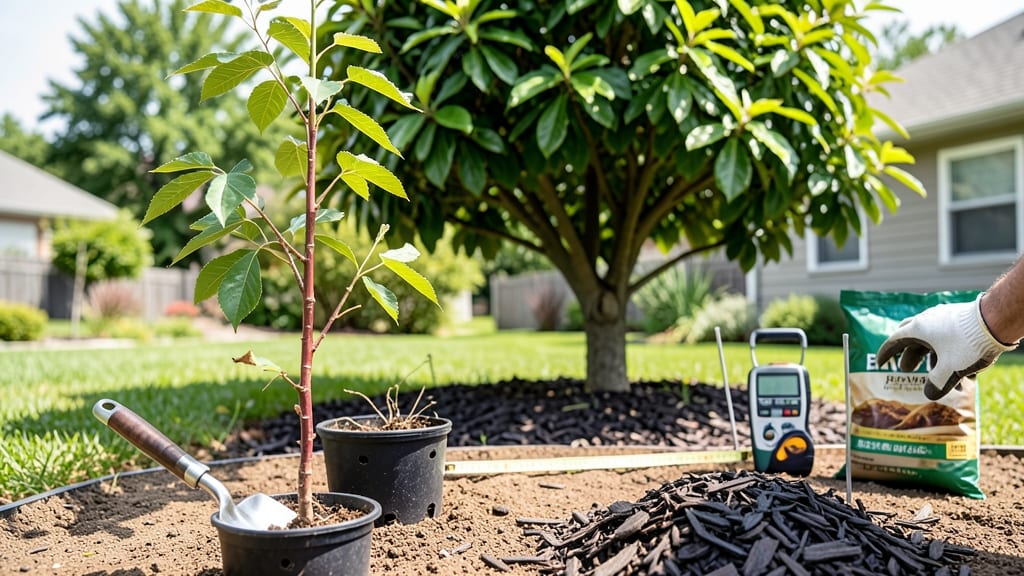
Planting a crepe myrtle 🌸 in Oklahoma at the wrong time could mean the difference between a stunning summer display and a struggling shrub—so getting the timing right is everything.
Oklahoma’s unpredictable climate, with its late spring frosts and scorching summer heat, makes choosing the perfect planting window critical. Whether you’re in Tulsa’s chilly Zone 7a or Lawton’s warmer Zone 7b, the ideal months shift dramatically.
Let’s break down exactly when to plant for maximum success, including soil prep tips and heat-zone-specific advice.
Most gardeners swear by early spring planting, but fall can also work—if you time it right. The key is avoiding both frost risk and extreme heat, which can shock young roots.
I’ll walk you through the best months for your specific Oklahoma location, plus pro tips to help your crepe myrtle thrive from day one.
Ready to transform your yard with these low-maintenance, drought-tolerant beauties? Let’s dive into the exact planting schedule that’ll set your crepe myrtle up for years of vibrant blooms.
Best planting months for crepe myrtles in Oklahoma by heat Zone
Oklahoma’s diverse heat zones (7a–8b) create unique challenges for planting crepe myrtles. In colder USDA Zone 7a, late frosts can damage tender roots, while Zone 8b’s scorching summers demand careful timing. The key is planting when soil temperatures are ideal—50–75°F—and avoiding both frost and extreme heat.
Bare-root trees need cooler soil, while container-grown plants adapt slightly better to heat but still require patience.
Your local microclimate matters too. Urban areas like Oklahoma City (Zone 7b) may experience heat islands, while rural Altus (Zone 8b) faces intense summer dryness. Below, I’ve broken down the optimal planting windows by zone, including soil temperature targets and critical deadlines to avoid transplant shock.
For Zone 7a gardeners, early April is your sweet spot. By this time, the risk of late spring frosts (common in Tulsa and Lawton) has passed, and soil temperatures hover around 55–60°F—perfect for bare-root trees.
If you’re planting container-grown crepe myrtles, you can push it to mid-May, but be prepared to water deeply 2–3 times per week to combat Oklahoma’s dry winds. Pro tip: Use a soil thermometer to confirm temps are stable before planting.
In Zone 7b, you’ve got more flexibility. Late March works for bare-root trees, but container-grown plants can handle slightly warmer soil (up to 65°F) through early June.
The trade-off? Heat stress becomes a risk after July 1, so avoid planting after this date unless you’re prepared for extra care. I’ve seen container-grown trees struggle when planted in June—their roots can’t keep up with Oklahoma’s 100°F+ summers.
Southern Oklahoma’s Zones 8a and 8b offer two planting windows: spring (Feb–Apr) or fall (Sep–Nov). Fall planting is my top recommendation for these areas because it gives roots time to establish before the intense summer heat.
Aim to plant at least 6 weeks before your first frost (usually mid-November in Zone 8a). For Zone 8b, you can even plant as late as November—just ensure soil temps stay above 60°F to prevent root dormancy.
One critical mistake I see in Oklahoma is planting crepe myrtles in peak summer heat (June–August), even with container-grown trees. The shock of transplanting into 110°F soil can kill young roots before they acclimate.
If you must plant in summer, do it in early June and provide shade cloth for the first 2 weeks. For bare-root trees, summer planting is a no-go—wait for cooler months.
Soil temperature is your best friend when planting crepe myrtles. Use a soil thermometer to check depths of 4–6 inches (where roots will grow). If temps are below 50°F, wait—cold soil slows root growth and increases frost damage risk.
In Oklahoma’s clay-heavy soil, amending with compost or sand (30% mix) improves drainage and warms up faster in spring. This small step can mean the difference between a thriving tree and one that struggles for years.
For container-grown trees, acclimate them to outdoor conditions for 1–2 weeks before planting. Harden them off by placing them in partial shade during the day and bringing them in at night.
This reduces transplant shock when you finally plant. I’ve had great success with ‘Natchez’ or ‘Arapaho’ varieties in Oklahoma—they’re bred to handle our heat and humidity better than standard types.
Remember: Mulch is non-negotiable in Oklahoma. Apply a 2–3 inch layer of wood chips or pine straw around your crepe myrtle, keeping it 6 inches away from the trunk.
Critical mistakes to avoid when planting crepe myrtles in Oklahoma
Oklahoma’s unpredictable weather makes crepe myrtle planting tricky. One wrong move—like planting too early or ignoring soil conditions—and your tree could struggle for years. I’ve seen root rot from overwatering and stunted growth from compacted clay soil, both easily avoidable with the right approach.
Even experienced gardeners overlook microclimates in Oklahoma. A spot that feels perfect might actually be too shady or too windy for crepe myrtles. Always scout your location for at least 6 hours of sunlight and check for drainage issues before digging.
⚠️ 3 Deadly Planting Mistakes in Oklahoma
Mistake 1: Planting too early in cold zones (e.g., before April in 7a)
Impact: Root rot from soggy soil or frost damage to tender new growth.
Fix: Use a soil thermometer; wait until nighttime temps stay above 45°F for 5+ days.
Mistake 2: Skipping soil amendments in clay-heavy Oklahoma soil
Impact: Poor drainage and compacted roots, stunting growth.
Fix: Mix in 30% compost or sand; crepe myrtles prefer well-draining, slightly acidic soil (pH 6.0–7.0).
Mistake 3: Planting container-grown trees in peak summer heat (June–August)
Impact: Transplant shock from heat stress, even with mulch.
Fix: Acclimate container plants for 1–2 weeks before planting; water deeply 2–3x/week post-planting.
Another common error is overwatering after planting. While crepe myrtles need consistent moisture early on, Oklahoma’s clay soil holds water like a sponge. I recommend deep watering 2–3 times per week for the first month, then tapering to once weekly once established.
Don’t forget about mulching—a 2–3 inch layer of wood chips or pine straw helps regulate soil temperature and retain moisture. But here’s the catch: Keep mulch 6 inches away from the trunk to prevent rot. I’ve seen too many gardeners smother the base, leading to fungal infections.
Finally, ignore microclimates at your peril. A spot near a building or under a tree might seem ideal, but crepe myrtles need full sun exposure. Test your location for at least 6+ hours of direct sunlight before planting—use a sunlight tracker app if needed.
By avoiding these mistakes, your crepe myrtle will establish strong roots and reward you with vibrant blooms for years to come. 🌸