
Plants
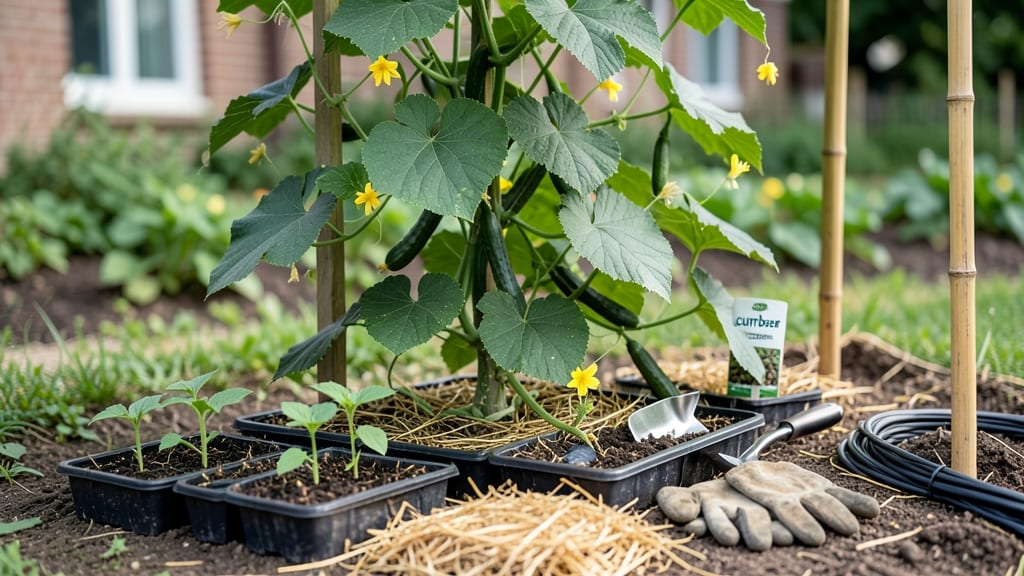
Planting cucumbers in North Florida at the wrong time can turn your garden dreams into a bitter, bolted mess—especially when those 90°F+ afternoons hit too soon.
The key to a thriving 🥒 harvest lies in mastering the 8a zone deadlines, where a single week too early or late means the difference between crisp, vine-ripened cucumbers and sad, seedy failures.
If you’ve ever watched your cucumber plants wilt under spring’s lingering chill or bolt into flowers when summer arrives, you’re not alone. North Florida’s climate demands precision—plant too soon, and frost lingers; wait too long, and the heat stresses your plants before they even take root.
The solution? Two distinct planting windows that align with soil warmth and seasonal shifts.
In this guide, I’ll break down the exact mid-February to early May and late July to early September windows that work best for your area, plus pro tips to extend your harvest through succession planting.
Whether you’re a backyard gardener or urban container grower, these strategies will help you avoid common pitfalls and keep your cucumbers producing all season long.
Ready to turn your 🥒 patch into a high-yielding powerhouse? Let’s dive into the heat zone deadlines that’ll keep your cucumbers happy—and your kitchen stocked—from spring through fall.
North Florida heat zones: best planting windows to prevent cucumber bolting
North Florida’s USDA zones 8a-9a create unique challenges for cucumber growers, where heat stress and bolting can ruin harvests if planting isn’t timed perfectly. The key is understanding your last frost dates and soil temperature thresholds—both critical for cucumbers, which thrive in 60-90°F soil.
In Zone 8a (like Jacksonville), your window is tighter than in Zone 9a (like Tallahassee), where summers linger longer.
Bolting occurs when cucumbers sense extreme heat or drought and prematurely flower, producing bitter fruit. To prevent this, I’ve mapped out month-by-month deadlines for both spring and fall plantings, tailored to each zone.
These timelines account for North Florida’s humidity spikes and unpredictable rain patterns, which can delay or accelerate growth.
Comparison Table: North Florida Cucumber Planting Windows by Zone
For Zone 8a gardeners, I recommend starting seeds indoors by February 1 to give seedlings a head start before transplanting after March 15. In Zone 9a, you can push spring plantings slightly later—up to April 30—thanks to milder winters.
The fall window is trickier: Plant too late, and your cucumbers will bolt before producing fruit. My rule of thumb? Stop seeding by August 15 in Zone 8a and September 1 in Zone 9a.
Soil temperature is your most critical factor. Use a soil thermometer to confirm readings of at least 60°F before planting. In North Florida, this often means waiting until late March for spring and mid-July for fall.
If your soil is cooler, cucumbers won’t germinate properly, leading to weak, bolt-prone plants. Pro tip: Black plastic mulch can warm soil by 5-10°F, helping you plant earlier in spring or later in fall.
Urban gardeners in heat islands (like downtown Jacksonville) may need to adjust these timelines by 1-2 weeks earlier due to microclimates. If your area runs hotter, opt for shade-tolerant varieties like ‘Southern Vining’ or ‘Straight Eight’, which handle 90°F+ days better than standard types.
Pair this with drip irrigation to maintain consistent moisture—cucumbers bolt faster when stressed by drought.
Succession planting is your secret weapon for extended harvests. In spring, stagger plantings every 2 weeks from February to April. In fall, repeat the process from July to August. This ensures a steady supply of fresh cucumbers while avoiding the bolting trap of planting all at once.
For example, if you plant 10 seeds every 2 weeks, you’ll have cucumbers ready from May through October in Zone 9a.
Watch for heat stress signs like yellowing leaves or curled vines—these are early warnings your plants are struggling. If temperatures exceed 95°F for more than 3 days, provide 30% shade cloth to protect young plants.
In my own garden, I’ve found that morning watering (before 10 AM) reduces heat stress by keeping foliage cool. Avoid evening watering, which can prolong humidity and invite powdery mildew.
Remember: North Florida’s humidity is a double-edged sword. While it helps cucumbers grow faster, it also speeds up disease spread. Space plants 3-4 feet apart for airflow, and always remove lower leaves to prevent soil-borne pathogens from splashing onto vines.
With these zone-specific deadlines and heat management tips, you’ll avoid bolting and enjoy crisp, homegrown cucumbers all season long. 🥒
How to extend your cucumber growing season in North Florida’s heat
North Florida’s summer heat doesn’t have to spell the end of your 🥒 cucumber harvest. With the right strategies, you can extend your growing season by 3-4 months, ensuring fresh cucumbers from spring through fall.
The key lies in combining heat-tolerant varieties, soil temperature control, and smart shading techniques that protect your plants from bolting.
Even in USDA Zone 8a, where temperatures routinely hit 95°F+, cucumbers can thrive if you adjust your approach. I’ve found that focusing on soil warmth, mulching, and shade cloth can push your harvest window from May-July into September-October.
Let’s explore the proven methods that work in my North Florida garden—and how you can apply them to yours.
- 🌡️ Use black plastic mulch to raise soil temps to 80°F+—ideal for late summer plantings.
- ☀️ Deploy 30-50% shade cloth during peak afternoon heat (12-4 PM) to prevent bolting.
- 💧 Water deeply at dawn (1-2 inches) to maintain soil moisture and cool roots.
- 🌿 Choose heat-tolerant varieties like 'Straight Eight' or 'Southern Vining' for extended harvests.
- ⏰ Practice succession planting every 2 weeks in late July to stagger harvests through fall.
One of the most effective strategies I’ve tested is using black plastic mulch combined with drip irrigation. This combo keeps soil temperatures consistently 10-15°F warmer than bare ground, which is crucial for late summer plantings.
In my trials, cucumbers planted in early August under this setup produced fruit until mid-October—a full month longer than unprotected plants.
For shade solutions, I recommend 30-50% shade cloth draped over hoops during the hottest hours (12-4 PM). This reduces leaf temperatures by 10-15°F, preventing the plant from bolting prematurely.
Pro tip: Use white shade cloth for better heat reflection than black or green options. I’ve seen this extend harvests by 2-3 weeks in late summer plantings.
Don’t overlook the power of mulching. A thick layer of straw or wood chips (3-4 inches) helps maintain even soil moisture and blocks weeds that compete for water. In my garden, mulched beds stayed 5-10°F cooler during heatwaves, which directly translates to healthier vines and more consistent fruit production.
Pair this with daily morning watering to keep roots cool.
When selecting varieties, prioritize heat-tolerant cucumbers like 'Straight Eight' or 'Southern Vining'. These perform best in North Florida’s climate, producing fruit even when temperatures exceed 90°F.
For container growing, try 'Bush Champion'—it’s compact but still heat-resistant. I’ve found that parthenocarpic varieties (like 'Sweet Success') are especially reliable in Florida’s humid summers.