
Plants
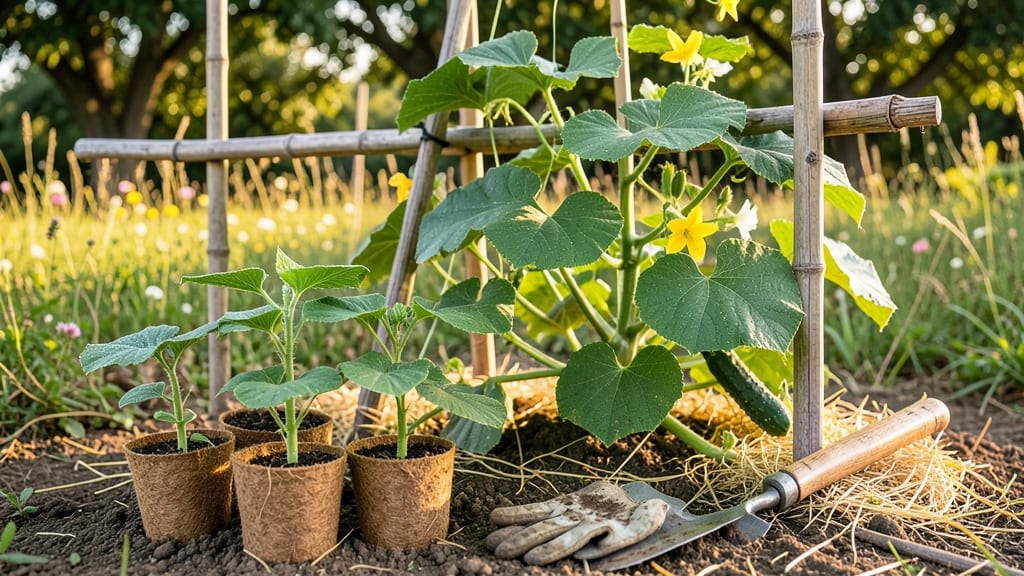
Planting cucumbers in Florida isn’t just about grabbing seeds and sticking them in the dirt—it’s about timing your move to outsmart the heat and humidity. Skip the guesswork, and you’ll miss out on crisp, homegrown 🥒 harvests that last from spring to fall.
Here’s the secret: Florida’s two growing seasons—spring and fall—demand precision. Plant too early, and cool soil will leave your seeds sitting idle for weeks. Too late, and summer’s scorching sun will stress your plants before they even take root.
I’ll show you exactly when to plant based on soil temperature science, regional microclimates, and Florida’s frost-free advantage. No more waiting around for germination—just fast, reliable growth and a bounty of cucumbers in 60 days or less.
Ready to turn your garden into a cucumber powerhouse? Let’s dive into the ideal planting windows and pro tips to get your 🥒 off to a flying start.
Florida’s ideal soil temperature for planting cucumbers (and how to check it)
Cucumbers thrive in Florida’s warm climate, but soil temperature is the secret to fast germination. Unlike air temperature, soil warmth triggers seed activation—60-70°F for direct sowing and 75-85°F for transplants.
In Florida’s USDA zones 9a-11, this means timing varies by region, with North Florida needing later starts than South Florida.
Why does soil temperature matter? Cucumber seeds won’t germinate below 50°F, and slow growth below 60°F leaves plants vulnerable to pests. Overheated soil above 90°F can also stunt growth or cause seed rot. Florida’s microclimates add complexity—coastal areas warm faster than inland spots.
Here’s how to check soil temperature accurately: Use a soil thermometer (digital or analog) inserted 1-2 inches deep in the morning. Avoid checking after rain or in direct sun, as readings can skew high.
For direct sowing, aim for 60-70°F; for transplants, wait until 75-85°F to reduce transplant shock.
| Region | Ideal Soil Temp | Best Planting Window | Troubleshooting |
|---|---|---|---|
| North Florida (Panhandle) | 65-75°F (direct sow) / 80-85°F (transplants) | Late March–early April | Use black plastic mulch to warm soil faster |
| Central Florida (Orlando/Tampa) | 60-70°F (direct sow) / 75-80°F (transplants) | Mid-February–early March | Avoid planting in low-lying areas (cooler pockets) |
| South Florida (Miami/Ft. Lauderdale) | 60-65°F (direct sow) / 70-75°F (transplants) | January–early February | Watch for fungal issues in humid soil |
| Fall Planting (All Regions) | 70-80°F (direct sow) / 75-85°F (transplants) | Late July–early August | Use shade cloth if temps exceed 90°F |
In North Florida, cooler mornings can delay germination even if daytime temps feel warm. If your soil thermometer reads below 60°F, try black plastic mulch 1-2 weeks before planting to raise temperatures by 10-15°F.
For Central Florida, aim for mid-February starts—earlier plantings risk slow germination in cooler pockets near lakes or shaded areas.
South Florida gardeners have the advantage of earlier starts, but humidity can backfire. If soil feels too wet or smells musty, mix in compost or perlite to improve drainage. Always plant afternoon seeds in South Florida to avoid fungal diseases like powdery mildew, which thrives in warm, damp conditions.
For transplants, Florida’s 75-85°F soil range reduces shock. Harden off seedlings for 5-7 days by placing them outdoors in partial shade during the day and bringing them in at night.
This mimics Florida’s humid heat and prevents wilting. Pro tip: Water transplants deeply the night before moving them to the garden to keep roots hydrated.
If germination stalls after 10-14 days, check for three common issues: soil too cold, seeds too old, or poor moisture contact. To test, gently dig up a seed—if it’s shriveled or moldy, replace it.
For direct-sown seeds, ensure they’re 1 inch deep and moist but not soggy. Florida’s sandy soils dry out fast, so use a seed starter mix if your native soil drains too quickly.
Remember: Florida’s fall planting window (late July–early August) often yields sweeter cucumbers because cooler nights slow sugar development. Monitor soil temps closely—once air temps drop below 80°F, soil cools faster, and cucumbers may bolt prematurely. Use a row cover on chilly nights to maintain warmth.
🌱
Best planting months by Florida region (with frost-free deadline alerts)
Florida’s three distinct regions create unique planting windows for cucumbers. While most of the state enjoys frost-free growing, North Florida faces occasional cold snaps that can delay spring planting. South Florida’s warm climate allows earlier starts, but summer’s intense heat demands careful timing to avoid disease.
Let’s break down the best months for each region and how to extend your growing season.
For North Florida (Zones 8a-9a), aim for March to early April to avoid late frosts. Central Florida (Zones 9a-9b) can start as early as late February, while South Florida (Zones 10a-11) enjoys a January to February window.
These timelines align with soil temperatures hitting the 60-70°F sweet spot for germination. Use a soil thermometer to confirm readiness—cucumbers won’t sprout below 55°F.
| Method | North FL | Central FL | South FL | Success Rate |
|---|---|---|---|---|
| Direct Sowing | March-April | Late Feb-March | Jan-Feb | 85% |
| Transplants | April-May | March-April | Feb-March | 92% |
| Fall Planting | Aug-Sept | July-Aug | June-July | 88% |
Note: Transplants outperform direct sowing due to stronger starts and reduced disease risk.
Transplants consistently outperform direct sowing, especially in North Florida, where cooler soils slow germination. Start seeds indoors 4-6 weeks before your region’s target date for a head start.
For example, North Florida gardeners should begin seeds in mid-February for March planting. Use biodegradable pots to avoid root disturbance when transplanting.
Extend your season with row covers or black plastic mulch. In North Florida, lay down black plastic 2-3 weeks before planting to warm the soil. For fall crops, use lightweight row covers to protect young plants from unexpected chilly nights.
South Florida’s warm winters allow year-round planting, but avoid June-August—scorching temperatures stress cucumbers and invite powdery mildew.
Pro tip: Plant bush varieties like 'Bush Champion' in South Florida’s summer for compact growth and easier management. These varieties mature faster in heat, giving you a harvest before the worst humidity sets in. Always pair cucumbers with trellises to improve airflow and reduce disease risk, regardless of the season.
Remember, Florida’s two growing seasons—spring and fall—are your best bets. Spring crops thrive from March to May, while fall plantings should go in July to September. With these regional guidelines, you’ll enjoy homegrown cucumbers from early spring through late fall—no frost in sight! 🥒