
Plants
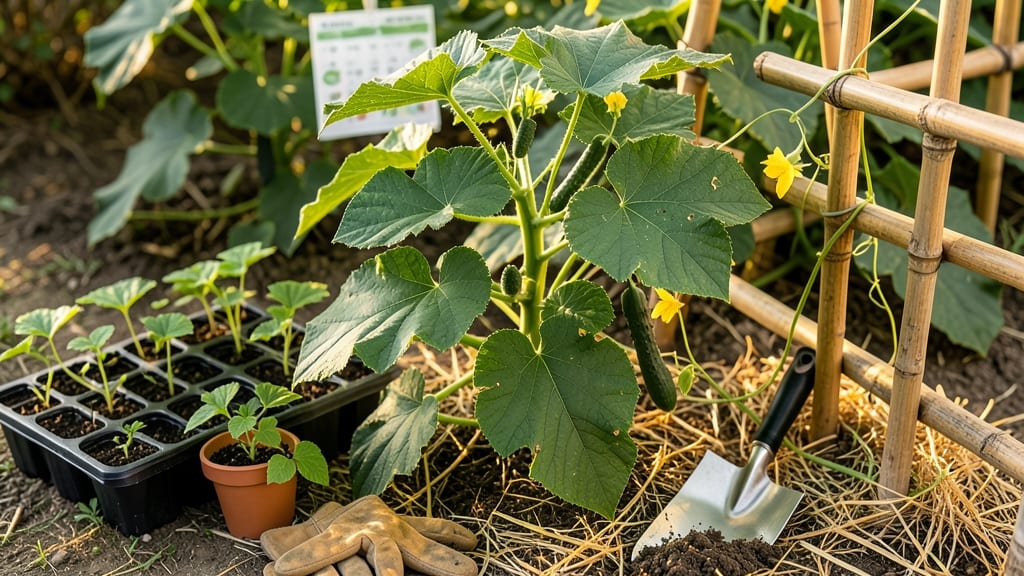
Timing your 🥒 cucumber planting in Northern California isn’t just about the calendar—it’s about dodging the dreaded "bolt" (when plants flower too fast and turn bitter). Get it wrong, and you’ll either wait forever for harvests or watch your vines give up before summer’s peak.
The secret? Planting when your microclimate—whether foggy coastal or scorching Sacramento Valley—is finally ready to cooperate.
Most gardeners in zones 8a-9b reach for their seeds in early spring, but that’s where things get tricky. Coastal areas like the Bay Area can safely plant after March 15, while inland spots near Sacramento need to wait until late April when soil hits 60°F.
Even then, a sudden heatwave can send your cucumbers running to flower before they’re ready to fruit.
Here’s the game-changer: I’ll break down the exact planting windows for your specific corner of Northern California, plus pro tips to stretch your harvest season.
Whether you’re growing in raised beds, containers, or the ground, you’ll learn how to beat the heat, avoid bolting, and keep those crisp cucumbers coming all summer long.
Ready to turn your backyard into a zero-bolt cucumber factory? Let’s dive into the timing, varieties, and tricks that actually work for Northern California’s quirky climate—no guesswork required.
Northern California cucumber planting zones: exact dates by microclimate
Northern California’s microclimates create a puzzle for cucumber growers—coastal areas stay cool longer, while inland zones heat up fast. The key to zero-bolt success lies in planting after soil temps hit 60°F and all frost risk has passed.
But timing varies wildly: San Francisco’s fog delays planting by weeks compared to Sacramento’s early warmth. Let’s break down the exact planting windows for your specific zone.
Your last frost date is the starting point, but soil temperature is the real game-changer. Cucumbers need warm soil (60°F+) to germinate properly—cold soil leads to slow starts or rot.
Coastal areas like San Francisco often wait until mid-May, while Sacramento Valley can plant as early as late March. The Sierra foothills sit somewhere in between, with early April being ideal for their cooler nights.
Here’s how to adjust your planting schedule based on your exact microclimate—including fall planting for a second harvest before frost.
For coastal areas like San Francisco, the delayed planting window (May 1–15) protects tender cucumber seedlings from late frosts and chilly nights. The foggy marine layer keeps soil cool longer, so don’t rush—wait until your soil thermometer consistently reads 60°F for 3+ days.
Inland zones like Sacramento Valley can start as early as late March, but watch for heat spikes that trigger bolting.
If you’re growing in containers (common in urban SF or Berkeley), use black plastic pots to absorb heat and warm the soil faster. These can shave 1–2 weeks off your planting timeline.
Just ensure pots have drainage holes—cucumbers hate soggy roots. For fall harvests, aim to plant 8–10 weeks before your first frost (usually mid-August for most zones).
One critical mistake I’ve seen is planting too early in Sierra foothills areas, where nights stay cool longer. The April 1–15 window balances frost risk with soil warmth. If you’re unsure, start seeds indoors 3–4 weeks before your target outdoor date—this gives you a head start on the season.
Just harden off seedlings gradually to avoid shock.
For extended harvests, try succession planting: sow a second batch 2–3 weeks after your first planting. This works especially well in Bay Area microclimates, where the growing season stretches longer. Pair this with <
How to avoid cucumber bolting: 5 pro tips for Northern California growers
Northern California’s summer heat can send cucumbers into a bolting frenzy—those bitter, seedy, and unappetizing fruits that ruin your harvest. Bolting happens when plants detect heat stress or drought signals, triggering rapid flowering and fruit production.
The good news? With these 5 science-backed strategies, you can keep your cucumbers cool, hydrated, and productive all season long.
First, understand that soil temperature is the #1 trigger for bolting. When soil heats above 85°F, cucumber roots struggle to absorb water, sending the plant into survival mode.
In inland valleys like Sacramento, this happens by late June, while coastal areas like San Francisco may see it by August. The key is to extend the growing season and regulate soil temps before bolting takes over.
🌱 5 Pro Tips to Prevent Bolting
- 🌡️ Use black plastic mulch to raise soil temps 5–10°F in spring (warms roots faster) but reflect heat in summer with white or silver mulch.
- ☀️ Deploy 30% shade cloth in June–August to block 10–20% of sunlight, lowering leaf temps by 10°F and reducing stress.
- 💧 Drip irrigation at soil level (not overhead) to keep roots consistently moist—1–1.5 gallons per plant daily in heatwaves.
- 🌿 Plant companion crops like radishes or lettuce between cucumber rows—their shallow roots cool the soil while competing for nutrients.
- ⏰ Stagger plantings every 2 weeks in April–May and September for a continuous harvest before bolting peaks.
For shade cloth strategies, opt for 30% shade (not 50%)—too much shade stunts growth, but 30% blocks enough light to lower leaf temps by 10–15°F during peak afternoon heat. Install it permanently over trellises in July if your area hits 95°F+.
Pair it with drip irrigation set to run early morning and late evening to avoid wetting foliage (which fuels fungal diseases).
Mulching is your secret weapon for soil temp control. In spring, use black plastic mulch to warm soil quickly, but switch to straw or wood chips by June to insulate roots and retain moisture.
A 3-inch layer can keep soil 5–10°F cooler than bare ground. For container growers, use light-colored pots and bury them halfway in the ground to stabilize temps.
Don’t overlook companion plants—they’re nature’s AC unit for your cucumber patch. Radishes and lettuce grow quickly, shading soil and reducing evaporation, while basil repels pests like cucumber beetles.
Even marigolds planted at the edges reflect heat away from vines. For trellised cucumbers, interplant with bush beans to maximize space and improve air circulation.
Finally, harvest religiously—every 2–3 days in peak season. Overripe cucumbers stress the plant, triggering bolting faster. Pick firm, dark-green fruits (6–8 inches long) and remove all yellowing leaves to redirect energy to fruit production.
If your plants start bolting prematurely, prune flower clusters to reset growth and focus on leafy vines for future harvests.