
Plants
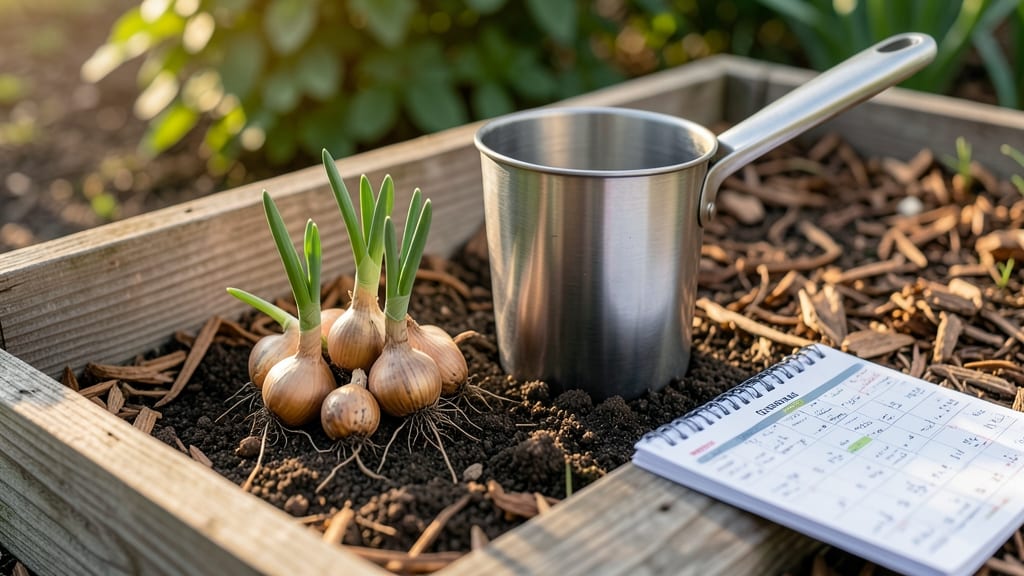
Planting daffodil bulbs in Arkansas at the wrong time can mean the difference between a vibrant spring garden and wasted effort. The key window—October to November—lets those cheerful 🌼 blooms establish roots before winter's chill sets in.
If you've ever wondered why some gardens burst with color while others struggle, timing is often the answer. Arkansas's 7a-8a climate demands precision: too early, and frost can damage tender shoots; too late, and bulbs won't root deeply enough for strong growth.
I'll walk you through the exact steps to prep your soil, choose the right planting depth, and adjust for Arkansas's variable frost dates. Whether you're in the Ozark Mountains or the Delta, these tricks will ensure your daffodils thrive year after year.
From soil pH to bulb spacing, we'll cover everything you need to know for a foolproof fall planting. Let's get those bulbs in the ground just right—so you can enjoy their bright faces greeting spring.
Best planting months for daffodils in Arkansas (by climate Zone)
Timing your daffodil bulbs correctly in Arkansas means the difference between vibrant spring blooms and wasted effort. Since Arkansas spans USDA zones 7a-8b, your planting window varies—from the cooler Ozark Mountains to the warmer Delta region.
I’ve planted daffodils across both areas, and here’s what I’ve learned about the perfect timing.
The golden rule? Plant 4-6 weeks before the first hard frost, when soil temperatures drop to 50-60°F. This gives roots time to establish before winter dormancy. In most of Arkansas, that means October through early November, but adjustments are needed for early or late frosts.
North Arkansas (Zones 7a-7b), like the Boston Mountains, has earlier frosts (often by mid-October). Here, aim for early to mid-October planting. In contrast, the Delta (Zones 8a-8b) can wait until late October or early November due to milder winters.
Miss the window? You can still plant in early December, but expect smaller blooms the first year. The key is ensuring bulbs root before the ground freezes solid.
For North Arkansas gardeners, I recommend checking your local frost dates (often mid-October) and planting 6-8 weeks beforehand. Use a soil thermometer to confirm temps are below 60°F—this prevents premature sprouting.
In my Ozark Mountain garden, I’ve seen bulbs sprout too early when planted in warm September soil.
In Central Arkansas, where I live, mid-October is my sweet spot. The Arkansas Agricultural Experiment Station suggests planting by November 1 for most varieties. For late-blooming daffodils, like ‘Ice Follies’, I push planting to early November—they handle cooler soils better.
Delta gardeners have the most flexibility. The warmer climate (Zone 8a-8b) allows planting until early November, sometimes even mid-November in microclimates. However, clay-heavy Delta soils stay warmer longer, so I recommend planting deeper (8-10 inches) to prevent frost heave.
Pro tip: If you’re unsure about your last frost date, check the Arkansas State University Extension Service maps or use a frost calendar app. I’ve used Almanac’s Frost Calculator for years—it’s saved me from planting too late in Zone 7a winters.
After planting, mulch heavily (3-4 inches) with straw or shredded leaves to insulate bulbs. In my Delta garden, this extra layer helps bulbs survive unpredictable cold snaps that can dip below 20°F. For North Arkansas, I double the mulch thickness during extreme winter years.
Remember: Daffodils thrive on consistency. Plant at the right time each fall, and you’ll enjoy bold, reliable blo
Soil preparation secrets for Arkansas gardens (before planting)
Arkansas gardeners face unique soil challenges—from clay-heavy Delta soils that compact easily to nutrient-poor Ozark uplands that need organic boosts. Before planting your daffodil bulbs, proper soil prep ensures vibrant blooms next spring. The key? Balancing pH (6.5-7.0), improving drainage, and enriching poor soils with local amendments.
Start by testing your soil's pH level—most Arkansas soils lean acidic (pH 5.5-6.5). Daffodils thrive in neutral to slightly acidic soil (6.5-7.0). Use a home soil test kit (available at local garden centers) or send a sample to the University of Arkansas Cooperative Extension for professional analysis.
If your soil tests too acidic, amend with lime (calcium carbonate); for alkaline soils, add sulfur or peat moss.
Here’s your Arkansas-specific soil prep checklist:
🌱 Arkansas Soil Prep Checklist
Target: 6.5-7.0
Add compost + sand
Delta soils: Compost + bone meal
Raised beds for waterlogged areas
6 inches deep in loose soil
Pro Tip: Arkansas’ clay soils benefit from gypsum (1 lb per 100 sq ft) to break compaction before planting.
For Delta region gardeners, focus on organic matter—these soils often lack nutrients. Mix 3-4 inches of compost or well-rotted manure into the top 12 inches of soil. Add a slow-release fertilizer like 10-10-10 (1 tbsp per bulb) to give daffodils a nutrient head start.
In Ozark uplands, where soils are sandy, blend in peat moss to retain moisture and improve fertility.
Drainage is critical—waterlogged soil rots bulbs. If your garden sits in a low spot or has heavy clay, create raised beds or amend with coarse sand or perlite.
Work amendments into the soil 4-6 weeks before planting to allow them to integrate naturally. For sandy soils, add composted leaves to improve water retention.
Finally, mulch after planting with 2-3 inches of straw or pine needles to protect bulbs from winter temperature swings and retain moisture. In North Arkansas, where winters are colder, add an extra 1-2 inches of mulch for insulation.
This simple step can mean the difference between frost-heaved bulbs and vibrant spring blooms.
With these Arkansas-specific soil tweaks, your daffodil bulbs will establish strong roots and reward you with bold, early spring color. Happy planting—your future garden will thank you! 🌼