
Plants
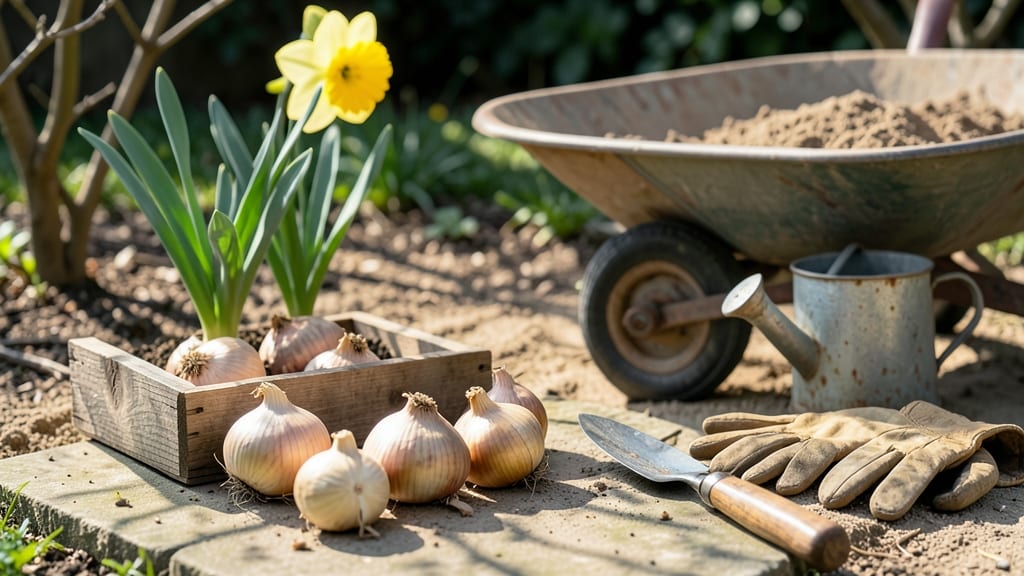
Planting daffodil bulbs in Texas at the wrong time means either watching them bake in summer heat or freezing before they establish roots. The 60-65°F soil temperature sweet spot arrives just right in fall—but timing varies wildly from Dallas to El Paso.
As a Texas gardener, you know the stakes: skip the window, and your 🌼 bulbs either rot in soggy summer soil or fail to bloom next spring. The solution? Planting between October and December, when soil cools and frost risk fades—but with regional tweaks that make all the difference.
I’ll break down exactly when to dig in your area, how to prep soil for Texas’s heavy clay, and the 3 frost-proofing tricks that keep daffodils thriving through our unpredictable winters. No more guessing—just vibrant blooms by March.
Let’s get your garden ready for spring’s first splash of color without the common mistakes that leave Texas gardeners frustrated every year.
Optimal planting months for Texas daffodils by region
Texas’s diverse climate means your daffodil planting timeline depends entirely on where you live. In North Texas, where frosts can arrive as early as mid-November, you’ll need to plant by early October.
Meanwhile, South Texas gardeners often enjoy planting opportunities into December thanks to milder winters. The golden rule? Aim for 60-65°F soil temperatures—this sweet spot lets roots establish before winter chill sets in.
Timing isn’t just about frost dates—it’s also about avoiding summer heat stress. Planting too early in Central Texas (like Austin) can leave bulbs vulnerable to 90°F+ soil in September, while waiting too long risks hard freezes damaging new growth.
Let’s break down the exact windows for your region, including city-specific examples to help you nail the perfect timing.
🌱 Pro Tip: Use a soil thermometer to confirm temperatures before planting. Most daffodil bulbs won’t thrive if soil stays above 70°F for more than 2 weeks.
For North Texas gardeners in Dallas or Fort Worth, the 6-week window before the first frost (usually mid-November) is critical. Start planting early October to give bulbs time to root before winter.
In Central Texas, like Austin, you’ve got a slightly longer window—mid-October to early December—but avoid September entirely. The soil stays too warm, risking bulb rot.
If you’re in South Texas, like Houston or Corpus Christi, you’re in luck. Mild winters mean you can plant daffodils as late as January, though late October to December is ideal.
For El Paso, plant by November 15 to avoid early freezes. West Texas, including Lubbock and Amarillo, has drier conditions—plant September 15 to October 31 and water deeply to help roots establish.
One common mistake? Planting daffodils in summer or early fall when soil temperatures exceed 70°F. Bulbs can overheat and rot before they even sprout. Always check soil temps with a thermometer or wait until evening temps drop below 80°F consistently.
If you’re unsure, err on the side of planting later—daffodils can handle a little cold better than they can handle heat.
Another Texas-specific tip: If you’re in an area with clay-heavy soil (common in East Texas), amend the soil with compost or sand to improve drainage.
Daffodils hate soggy roots, and Texas’s heavy rains in winter can turn your garden into a swamp if drainage isn’t right. Mulch after planting (2-3 inches of straw or shredded leaves) to insulate bulbs and retain moisture.
Finally, don’t forget that daffodil varieties can influence timing slightly. Early bloomers (like ‘Tête-à-Tête’) may need a slightly earlier start, while late varieties (like ‘Ice Follies’) can handle a later planting
5 Critical signs your Texas soil is ready for daffodil bulbs
Daffodils thrive when planted in cool, moist soil—but Texas’s clay-heavy, fast-drying conditions can sabotage their success. Before you dig, check these 5 critical signs to ensure your soil is bulb-ready. Skipping these steps risks rot or stunted growth, even with perfect timing.
First, your soil must be 60-65°F—the ideal temperature for daffodil bulb roots to establish. Use a soil thermometer (or your elbow: if it feels cool but not freezing, it’s ready). Texas’s fall temperatures drop faster in North Texas than in Houston, so adjust your planting date accordingly.
Here’s your practical checklist for Texas soil readiness—plus how to fix common issues:
- Soil Temperature: 55-65°F (test with a thermometer at 6-inch depth)
- Moisture Level: Damp but not soggy (squeeze a handful—it should hold shape but not drip)
- Drainage Test: Water drains within 1-2 hours (dig a 6-inch hole, fill with water, and time drainage)
- Clay Soil Fix: Amend with 3 inches of compost or sand (mix into top 12 inches of soil)
- pH Level: 6.0-7.0 (test with a kit; adjust with lime if too acidic)
Texas’s clay soils are notorious for poor drainage, but you can transform them with organic matter. Work in 3-4 inches of compost or aged manure into the top 12 inches of soil. For heavy clay, add coarse sand or perlite to improve aeration—daffodil bulbs hate soggy roots.
After amending, mulch with 2-3 inches of straw or shredded leaves to retain moisture and regulate soil temperature. Avoid thick mulch layers (over 3 inches), as they can smother bulbs or attract pests. In North Texas, mulch earlier (late September) to protect against early frosts.
Finally, plant bulbs 4-6 weeks before your region’s first frost.
In South Texas, this might be as late as December, while North Texas gardeners should aim for early November. Pro tip: If your soil is still too warm, delay planting—bulbs won’t rot if the ground is cool, but they’ll struggle to root in heat.
With these signs checked off, your daffodils will bloom reliably year after year—no matter where in Texas you garden. 🌼