
Plants
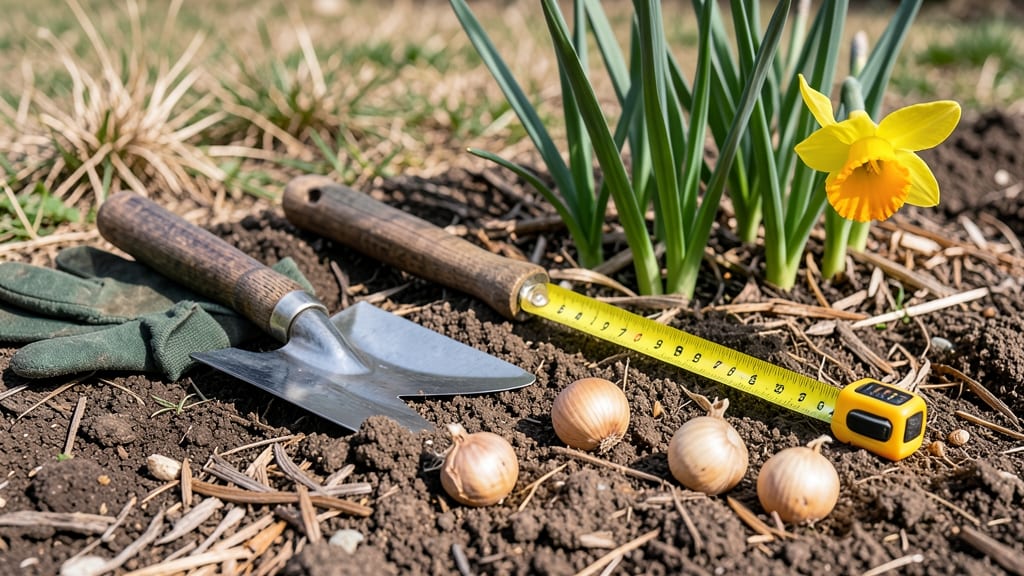
Planting daffodil bulbs at the wrong time in Indiana can mean the difference between bold spring blooms and wasted effort. The key is timing—too early, and they’ll rot; too late, and they won’t establish roots before winter.
For gardeners in zones 5b-6b, the perfect window is October through November, when soil cools but hasn’t frozen yet.
Why does this matter? Daffodils need 6-8 weeks of chilly soil to develop strong roots before winter dormancy. In Indiana, where frost typically arrives by mid-October, planting too soon risks soggy soil, while waiting too long cuts short their prep time.
The goal? Get those bulbs in the ground 4-6 weeks before the first hard freeze—usually by early November.
Don’t let Indiana’s unpredictable weather throw you off. We’ll cover how to adjust for early frosts, check soil readiness, and even use moon phases as a guide.
With the right timing, your 🌼 daffodils will reward you with cheerful blooms by April, proving that patience in fall pays off in spring.
Ready to avoid common mistakes? I’ll walk you through soil prep, bulb depth, and post-planting care—so you can skip the guesswork and enjoy a garden that pops with color. Let’s make this your best daffodil season yet!
Indiana’s frost-date planting window for daffodil bulbs: exact months and hardiness zones
Indiana’s USDA hardiness zones 5b-6b create the perfect stage for daffodils, but timing your planting is critical. The average first frost arrives around October 15, giving you a narrow but precious window to plant bulbs before winter sets in.
This window ensures your daffodils establish roots before the ground freezes, setting the stage for stunning spring blooms.
For most of Indiana, the ideal planting window stretches from mid-October to early November. This timing aligns with soil temperatures dropping to 50-60°F, which is perfect for root development without risking bulb rot in cold, wet soil.
Northern Indiana (Zone 5b) may need to start slightly earlier, while southern areas (Zone 6b) can extend planting into late November.
Here’s how to calculate your personalized frost-date window using Indiana’s climate data. First, check your local average frost dates—most Indiana gardeners can find this info through the National Weather Service or local cooperative extension offices.
Then, plant your daffodil bulbs 4-6 weeks before the ground freezes to give roots time to establish.
🌼
| USDA Zone | Average First Frost | Ideal Planting Window | Soil Temp Goal | Adjustments for Late Frost |
|---|---|---|---|---|
| 5b (Northern IN) | October 10-15 | Mid-September to October 15 | 50-60°F | Plant by October 1 |
| 6a (Central IN) | October 15-20 | Late September to October 25 | 50-60°F | Plant by October 10 |
| 6b (Southern IN) | October 20-25 | Late September to November 5 | 50-60°F | Plant by October 20 |
🌱 Pro Tip: Use a soil thermometer to confirm temps—aim for 50-60°F at 6-inch depth.
Adjusting for early or late frosts is key in Indiana’s unpredictable climate. If your area experiences an unseasonably early frost, like those seen in 2021, shift your planting to mid-September to give bulbs extra time.
Conversely, if mild weather lingers, you can safely plant into early December, though roots may grow slower in cold soil.
Indiana’s clay-heavy soils can also impact planting success. Before you plant, amend your soil with compost or sand to improve drainage—daffodils hate soggy conditions. A well-draining bed ensures bulbs won’t rot over winter, even if rains come early.
Test your soil’s moisture retention by squeezing a handful; if it stays clumped, add organic matter.
For urban gardeners in cities like Indianapolis or Fort Wayne, microclimates can shift frost dates by a week or more. Urban areas often stay slightly warmer, so you might extend planting into late October or early November.
Rural areas, especially in northern Indiana, may need to plant 2-3 weeks earlier to account for colder nights.
Once you’ve planted, mulch lightly with straw or shredded leaves to insulate bulbs and retain moisture. Avoid heavy mulch, which can suffocate roots. In spring, remove mulch as soon as the ground thaws to prevent rot.
By following these frost-date guidelines, you’ll ensure your daffodils burst into bloom right when Indiana’s last frost (usually around April 15) has passed.
🌿
How to time daffodil bulb planting for Indiana’s unpredictable weather: pro tips for success
Indiana’s variable climate makes timing daffodil bulb planting tricky—one week can bring unseasonably warm soil while the next delivers early frost. My secret? Combine soil temperature checks, local microclimate awareness, and a dash of lunar intuition.
Urban areas like Indianapolis often freeze 1-2 weeks earlier than rural southern Indiana, so adjust your schedule accordingly.
Start by testing your soil’s temperature at 6 inches deep—daffodils thrive when it hovers between 40°F and 60°F. Use a soil thermometer (or bury a candy thermometer) for accuracy.
In northern Indiana (USDA Zone 5b), aim for mid-October planting, while southern regions (Zone 6b) can wait until early November. Remember: bulbs need 4-6 weeks to establish roots before winter sets in.
- Soil Temp Check: Plant when soil is 40°F-60°F at 6" depth—use a thermometer! 🌡️
- Moon Phase: Aim for waxing moon (root growth phase) for stronger bulb establishment 🌙
- Urban Adjustment: City areas freeze earlier—plant 2 weeks sooner than rural zones
- Frost Buffer: Leave 6 weeks before average first frost (check Almanac for your county)
- Clay Soil Hack: Mix in compost to improve drainage in Indiana’s heavy soils
Don’t overlook moon phases—planting during the waxing moon (when the light is increasing) encourages root development. Check a lunar calendar for Indiana: the October 10-14 waxing moon in 2024 is ideal for northern gardens, while southern Indiana gardeners can target November 8-12.
Pro tip: Mark your calendar for the next full moon after your target date—this helps track the waxing phase.
Indiana’s microclimates demand flexibility. Urban gardens in Fort Wayne or Gary may experience earlier frosts due to concrete heat absorption, while rural southern Indiana often enjoys 2-3 extra weeks of warm soil.
When in doubt, observe nearby ornamental grasses or perennials—if their leaves are still green in late October, your soil may still be too warm for planting.
After planting, mulch heavily with straw or shredded leaves (3-4 inches) to insulate bulbs from temperature swings. In Zone 5b, add an extra layer if unseasonable warmth delays winter.
Come spring, remove mulch in early March to let sunlight trigger blooming. The first flush of daffodils in April will reward your precise timing!
For extra insurance, plant a few bulbs in containers alongside your in-ground daffodils. This lets you adjust timing if early frost threatens—simply move pots to a protected spot.
Container-grown daffodils also thrive in urban balconies where microclimates are more extreme. With these strategies, even Indiana’s unpredictable weather won’t derail your spring blooms! 🌼