
Plants
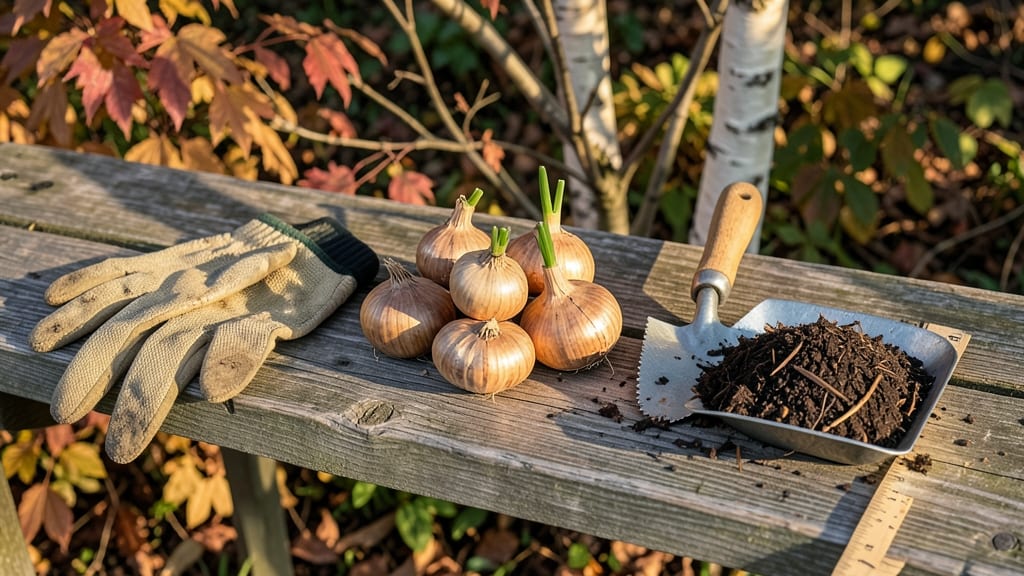
Planting daffodil bulbs at the wrong time in New York can mean waiting another year for those cheerful 🌼 blooms—or worse, losing them to frost before they even sprout.
The secret to success? Timing your fall planting when soil temperatures dip below 60°F, typically between mid-September and November, before the ground freezes solid.
I’ve learned the hard way that NY’s USDA Zones 5b-7a demand precision—plant too early, and bulbs rot; too late, and they won’t root before winter. But here’s the good news: with the right window, your daffodils will thrive even through our harshest winters, popping up reliably every spring like clockwork.
This guide breaks down exactly when to plant in your specific zone, how to prep your soil for winter survival, and the 3 most common mistakes gardeners in NY make.
Whether you’re a first-timer or a seasoned green thumb, these tips will ensure your daffodils beat the frost and bloom brighter than ever.
Let’s dig into the timing secrets that’ll have your garden bursting with color by April—no guesswork required.
NY fall planting window for daffodils: exact dates by Zone
New York’s USDA Zones 4-7 offer a narrow but critical fall planting window for daffodils—typically between mid-September and mid-November. The key is planting when soil temperatures drop below 60°F but before the ground freezes solid.
This timing ensures bulbs establish roots before winter dormancy, guaranteeing vibrant spring blooms even after harsh freezes.
In Zone 4 (northern NY), aim for late September to early October—soil cools faster here, so don’t wait too long. For Zones 5-6 (central NY), the window stretches from mid-October to early November, while Zone 7 (southern NY) can extend planting until mid-November.
Missing this window risks bulbs rotting in cold, soggy soil or failing to root before winter.
To check if your soil is ready, use a soil thermometer—plant when temps consistently hit 50-60°F at 4-inch depth. Also, test moisture: soil should be damp but not waterlogged.
If it’s still too warm or dry, wait a week or two. Early planting (September-October) gives bulbs more time to root, while late planting (November) leaves them vulnerable to frost heave and rot.
Daffodils thrive in well-draining soil with 6+ hours of sunlight. In heavy clay soils common in NY, amend beds with compost or sand to prevent water pooling. Plant bulbs 6 inches deep and 6 inches apart—deeper in sandy soil, shallower in clay.
Mulch with 2-3 inches of straw after planting to insulate roots and retain moisture.
| USDA Zone | Ideal Planting Window | Soil Temp Threshold | Key Risk | NY Location Example |
|---|---|---|---|---|
| Zone 4 | Late September–Early October | 50–60°F (4" depth) | Early frost | Buffalo, Syracuse |
| Zone 5 | Mid-October–Early November | 50–60°F (4" depth) | Frost heave | Albany, Rochester |
| Zone 6 | Late October–Mid-November | 55–60°F (4" depth) | Soggy soil | Ithaca, Poughkeepsie |
| Zone 7 | Mid-October–Late November | 55–65°F (4" depth) | Late frost | New York City, Long Island |
Why does timing matter so much? Daffodil bulbs need 4-6 weeks to establish roots before winter. Planting too early (August) risks premature sprouting and weak roots, while planting too late (December) leaves bulbs exposed to frost heave—when freezing/thawing cycles push bulbs to the surface.
In NY’s Zone 5b-6a, early October is often the sweet spot for most gardeners.
Pro tip: Use a planting calendar or local frost date guide (like NY’s Almanac) to track your area’s first hard frost. Count backward 6 weeks from that date—this gives you your ideal planting window.
For example, if your first frost is November 15, aim to plant by October 1.
If you miss the fall window, don’t despair! Daffodils can also be planted in early spring (March-April), though they may bloom later. However, fall-planted bulbs are hardier and more likely to survive NY’s winters.
For best results, prioritize fall planting—it’s the secret to daffodils that multiply yearly and push through snow for reliable spring color.
After planting, water deeply to settle soil around bulbs, then reduce watering until spring. Avoid fertilizing in fall—daffodils store energy in their bulbs, not leaves. In spring, wait until foliage appears before adding a balanced fertilizer (like 10-10-10) to encourage blooming.
Remember: NY’s clay-heavy soils can be tricky. If your garden stays soggy in fall, plant daffodils on
Signs your NY soil is ready for daffodil bulbs (and 3 mistakes to avoid)
New York’s clay-heavy soils and unpredictable frost dates demand careful timing before planting daffodil bulbs. The ideal window opens when soil temps drop to 60°F or below—usually mid-September in Zone 6 or early October in Zone 5. This gives roots time to establish before winter dormancy.
Start by testing soil moisture—press your finger 2 inches deep. If it feels damp but not soggy, your soil is ready. In NY’s heavy clay regions, amending with compost or sand improves drainage, preventing bulb rot.
Skip this step, and you risk waterlogged bulbs that fail to bloom.
⚠️ callout warning ⚠️
- Planting too deep (6"+) smothers bulbs—stick to 4-6 inches deep for proper growth.
- Ignoring frost heave in clay soils—mulch with straw or leaves to protect bulbs.
- Late planting (after November 15) risks shallow roots before freeze.
Check for proper drainage by digging a 6-inch hole and filling it with water. If it drains in 1-2 hours, your soil is ready. In waterlogged areas, raise beds or plant on slopes to prevent bulb rot.
Daffodils thrive in well-draining, slightly acidic soil (pH 6.0-7.0)—test your soil with a home kit before planting.
Timing is everything—plant 4-6 weeks before ground freezes (usually October-November in NY). Late plantings in Zone 5 risk bulbs sprouting too early, while early plantings in Zone 7 may rot in warm soils. Aim for 6-8 weeks before frost for perfect balance.
Common mistakes like planting too deep or skipping mulch can kill bulbs. Always plant pointy end up and cover with 2-3 inches of mulch to insulate roots. In NY’s harsh winters, this protection prevents frost damage and ensures vibrant spring blooms.
After planting, water deeply to settle soil around bulbs. Avoid overwatering—damp but not soggy soil prevents rot. In Zone 5-6, a thick layer of straw mulch adds insulation, while Zone 7 gardens benefit from light mulch to retain moisture.