
Plants
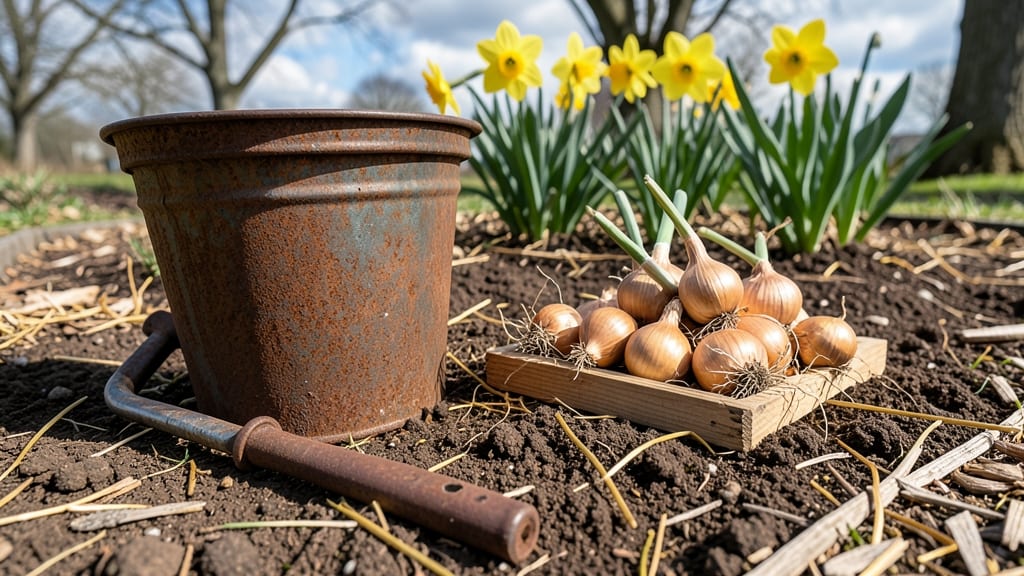
Planting your 🌼 daffodil bulbs at the wrong time in Northern California could mean the difference between a showstopping spring garden and disappointment—especially with our unpredictable microclimates. The key window is October through December, but timing varies dramatically between coastal fog belts and inland valleys where frost arrives earlier.
If you live in USDA zones 8a-9b, you’ve got a slightly longer frost-free window than gardeners in colder regions, but don’t wait too late.
Bulbs need 6-8 weeks to root before winter sets in, so aim for early October in the Bay Area and by early November in Sacramento’s cooler pockets.
Here’s the game-changer: Soil temperature matters just as much as calendar dates. Plant when the ground cools to 50-60°F, ensuring your bulbs establish roots before the first frost—usually around mid-December in most of Northern California.
I’ll walk you through exactly how to adjust planting times for your specific region, whether you’re dealing with San Francisco’s coastal chill or the San Joaquin Valley’s warmer winters. Let’s get those 🌼 daffodils in the ground at the perfect moment for your microclimate.
Northern California daffodil planting calendar by region (frost-free deadlines)
Northern California’s diverse microclimates create unique planting windows for daffodils (🌼). While most regions follow a fall planting schedule, coastal areas and inland valleys have distinct frost-free deadlines that can shift your timeline by weeks. Understanding these regional differences ensures your bulbs establish roots before winter chills arrive.
Daffodils thrive in USDA zones 8a-10a, but Northern California’s elevation variations and Pacific Ocean influence create microclimates where last-frost dates can differ by 3-4 weeks.
For example, San Francisco’s coastal fog delays frost longer than Sacramento’s inland heat, while the San Joaquin Valley’s warmer nights extend the planting window.
| Region | USDA Zone | Last Frost Date (Avg.) | Ideal Planting Window | Latest Safe Planting |
|---|---|---|---|---|
| Bay Area (San Francisco, Oakland) | 9a-10a | January 10 | October 15 - November 15 | December 1 |
| Sacramento Valley | 8a-9a | December 20 | October 1 - November 15 | November 15 |
| San Joaquin Valley (Fresno, Bakersfield) | 9a-10a | January 5 | October 15 - December 1 | December 15 |
| Coastal North (Santa Rosa, Sonoma) | 9b-10a | January 15 | October 20 - November 20 | December 10 |
For the Bay Area, where coastal fog softens winter temperatures, you have until early December to plant. The Pacific Ocean’s moderating effect means bulbs can establish roots even with mild winter chills, but avoid planting after December 1 to prevent root rot from persistent dampness.
The Sacramento region has the earliest frost risk, with December 20 averages. Plant by November 15 to give bulbs time to root before ground temperatures drop below 40°F (4°C). Inland areas like Yolo County can push planting to early December if soil stays workable.
San Joaquin Valley gardeners enjoy the longest window due to its warmer nights and drier winters. Plant through mid-December in protected microclimates, but prioritize well-draining soil to prevent bulb rot from occasional winter rains. Elevations above 1,000 feet may need earlier planting.
Coastal North regions like Santa Rosa benefit from delayed frost until mid-January, but soil saturation from winter rains can be a challenge. Amend clay soils with compost or sand to improve drainage. If your garden sits in a low-lying area, plant by November 20 to avoid waterlogged conditions.
Regardless of region, soil temperature is the critical factor. Aim for 50-60°F (10-15°C) at planting depth (typically 6 inches deep). Use a soil thermometer to check—if temperatures dip below 45°F (7°C), delay planting until conditions stabilize.
Pro tip: Mulch heavily after planting with 3-4 inches of straw or wood chips to insulate bulbs from temperature fluctuations. In urban heat islands (like downtown Sacramento), mulch also protects roots from daytime heat stress during late fall.
Missed the fall window? January planting is possible in coastal zones (Bay Area, Santa Cruz) if bulbs receive consistent moisture and partial shade until spring. However, blooms may be smaller or delayed compared to fall-planted daffodils.
🌱
How to adjust planting time for early vs late-flowering daffodil varieties
Not all 🌼 daffodils bloom at the same time, and their chilling requirements can shift your planting window by weeks. Early varieties like 'Ice Follies' need a shorter cold period, while late bloomers like 'Tête-à-Tête' demand more winter dormancy.
In Northern California’s USDA zones 8a-9b, this means planting 'Ice Follies' as early as late September in warmer inland areas, while 'Tête-à-Tête' may need to wait until mid-November near the coast.
Soil temperature is your best guide—aim for 50-60°F at a 4-inch depth. Use a soil thermometer to check before planting. Early bloomers can tolerate slightly warmer soil (55-60°F), while late varieties need cooler conditions (45-55°F) to trigger proper root development.
In Sacramento’s valleys, this might mean planting early varieties in early October, while coastal gardeners in San Francisco can wait until late October.
- Early bloomers (e.g., 'Ice Follies'): Plant 6-8 weeks before first frost (late Sept-Oct in inland areas). Soil temp: 55-60°F. Chilling need: 4-6 weeks of 40-50°F temps.
- Mid-season bloomers (e.g., 'Tête-à-Tête'): Plant 4-6 weeks before first frost (Oct-Nov). Soil temp: 50-55°F. Chilling need: 8-10 weeks of 35-45°F temps. Ideal for coastal fog zones.
- Late bloomers (e.g., 'Fortune'): Plant 2-4 weeks before first frost (Nov-Dec). Soil temp: 45-50°F. Chilling need: 10+ weeks of 30-40°F temps. Best for high-elevation areas like Sacramento foothills.
- Pro tip: Mix varieties! Plant early bloomers first (late Sept), then late bloomers (Nov) to extend your 🌼 daffodil season from February to April. Space bulbs 4-6 inches apart for optimal airflow.
If you’re unsure about your microclimate, observe local 🌿 garden centers—they often sell daffodils in late fall, which is your cue to plant.
For example, in San Francisco’s coastal fog belt, late varieties like 'Thalia' can be planted as late as December, while inland areas like Modesto should have all bulbs in the ground by early November to avoid winter heat stress.
One common mistake is planting all varieties at once. Early bloomers planted too late may not get enough chilling and produce weak stems. Conversely, late bloomers planted too early might sprout prematurely in warm soil, only to be damaged by early frosts.
Test your soil’s readiness by pressing your finger into the ground—if it’s easily penetrable but cool to the touch, it’s time to plant.
For container gardening in Northern California’s urban heat islands (like Oakland or Berkeley), use well-draining potting mix and plant early varieties in October. Late varieties can go in November, but move containers to a shaded spot during winter to protect roots from temperature swings.
Mulch with 3 inches of straw to regulate soil temperature and retain moisture.
Remember, 🌼 daffodils are hardy, but timing is everything. The goal is to give them enough time to root before winter sets in, while ensuring they get the chilling period they need to bloom beautifully.
With these adjustments, you’ll enjoy a prolonged spring display that starts with early varieties and transitions seamlessly into late bloomers.