
Planting
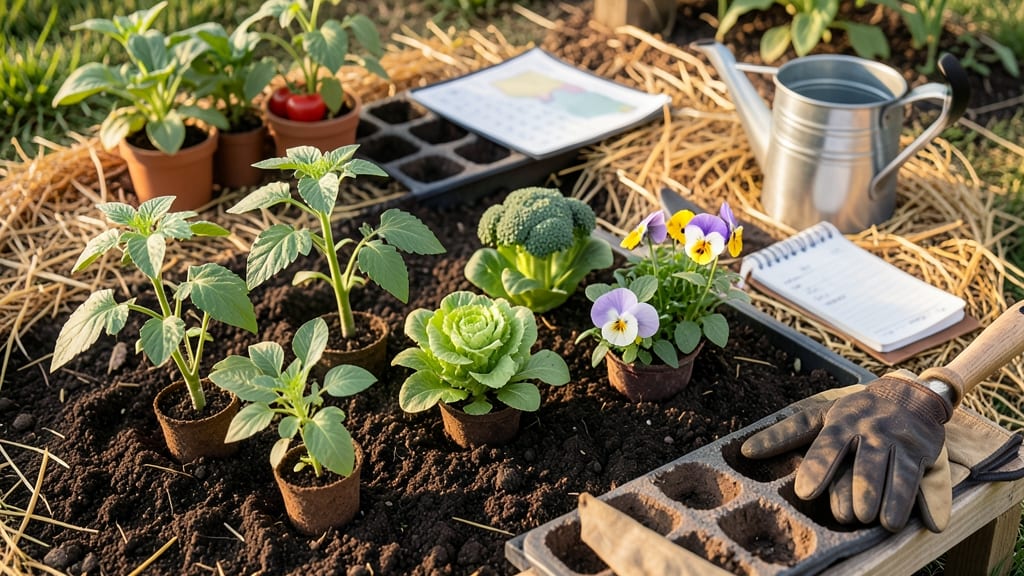
Timing your garden planting in East Tennessee isn’t just about following a calendar—it’s about outsmarting the region’s tricky microclimates, where a valley’s last frost can be weeks earlier than a ridge top just miles away.
If you’ve ever watched your cool-season 🌱 General Garden Plants (East Tennessee) bolt in the heat or your tomatoes struggle to ripen before frost, you know how critical those planting windows really are.
Most gardeners here rely on the same rough guidelines: cool-season crops like kale and peas go in by early April, while warm-season favorites like tomatoes and peppers wait until late May. But that’s where the real challenge begins—because 6a-7a zones don’t tell the whole story.
A Knoxville garden might be ready to plant by mid-March, while Asheville’s higher elevations could still see frost in early May.
What if I told you there’s a way to extend your growing season by weeks—without risking your plants? The secret lies in understanding your specific elevation, soil prep timing, and even the phase of the moon (yes, really).
Whether you’re a first-time gardener or a seasoned pro, these localized strategies will help you beat the odds and grow more than you ever thought possible.
Let’s break down the exact planting schedule for your elevation, from frost dates to the best crops for your microclimate—and how to keep your garden thriving long after the last frost warning.
East Tennessee planting zones by elevation: frost dates & microclimates explained
East Tennessee’s dramatic elevation changes—from 2,000-foot valleys to 4,000-foot ridges—create distinct gardening microclimates that shift frost dates by weeks. While Knoxville sits in USDA Zone 7a, Asheville’s higher elevations dip into Zone 6b-7a, and Johnson City’s lower valleys hover around Zone 7a-7b.
These shifts mean your neighbor’s last frost date could be 2-3 weeks earlier or later than yours.
Understanding these variations is critical because planting cool-season crops like kale or peas too early in high-elevation areas risks frost damage, while warm-season plants like tomatoes or peppers planted too soon in valleys may rot from lingering cold soil.
The key? Aligning your planting with localized frost data and adjusting for microclimates like south-facing slopes or sheltered valleys.
Here’s how elevation impacts your planting timeline in East Tennessee’s four key windows: cool-season (March-April), early spring (May), late spring (June), and fall (September-October). We’ll break down city-specific frost dates and the best crops for each elevation band to help you plan with confidence.
For example, if you’re gardening in Knoxville (Zone 7a), you can safely plant cool-season crops like spinach or lettuce as early as February 20 under row covers, but in Asheville (Zone 6b), wait until March 10 to avoid frost.
Similarly, warm-season plants like tomatoes should wait until May 15 in Knoxville but hold off until May 25 in higher-elevation areas like Gatlinburg.
Microclimates add another layer: a south-facing slope in Johnson City might warm up 10–14 days earlier than a n
Cold-hardy vs. heat-loving crops: what to plant when in East Tennessee’s climate
East Tennessee’s climate throws gardeners a curveball with its mountain valleys and ridge-top microclimates. While valley gardens in Knoxville might see last frost dates by mid-April, high-country areas near Gatlinburg can linger below 50°F well into May.
This means your cold-hardy greens and heat-loving tomatoes need precise timing—or they’ll bolt or wilt before producing.
Let’s break down the ideal planting windows for East Tennessee’s most popular crops. I’ll cover soil temperature thresholds, succession planting strategies, and how to adjust for your specific elevation. Whether you’re in USDA Zone 6b (valleys) or Zone 5b (high country), these tips will help you maximize your harvest.
🌱 Cold-Hardy Crops vs. Heat-Lovers: East Tennessee Planting Guide
❄️ COLD-HARDY CROPS
- 🌱 Best for: Early spring (March-April) & fall (Sept-Oct)
- 🌡️ Soil temp: 40-55°F (plant when ground thaws)
- 📅 Valley timing: 4-6 weeks before last frost
- 🏔️ High country: Wait until soil reaches 50°F
- 🌿 Examples: Kale, peas, broccoli, spinach, lettuce
☀️ HEAT-LOVING CROPS
- ☀️ Best for: Late spring (May-June) & summer
- 🌡️ Soil temp: 60-75°F (wait for consistent warmth)
- 📅 Valley timing: 2-3 weeks after last frost
- 🏔️ High country: June planting for shorter season
- 🌶️ Examples: Tomatoes, okra, sweet potatoes, peppers
For cold-hardy crops, think of kale, peas, and broccoli—these thrive when temperatures dip below 70°F. In East Tennessee’s valleys, you can start spinach as early as late February under row covers, while high-country gardeners should wait until mid-April.
The key is soil temperature: these crops perform best when the ground stays between 40-55°F.
On the flip side, heat-loving crops like tomatoes and okra need consistent warmth. In Knoxville, plant tomatoes after May 15 when soil hits 65°F.
But in Gatlinburg’s cooler microclimate, delay until June 1 to avoid blossom-end rot. Sweet potatoes are another heat-seeker—start slips only after Memorial Day in most areas.
Succession planting is your secret weapon in East Tennessee’s short growing season. For lettuce or bush beans, make weekly sowings every 2-3 weeks from April through July. This stretches harvests and prevents bolting from sudden heat waves.
Meanwhile, fast-maturing crops like radishes (30 days) or bok choy (40 days) let you squeeze in two harvests before frost.
Don’t overlook fall planting—it’s when East Tennessee gardeners truly shine. While valleys can grow kale until November, high-country gardens might harvest spinach by October 15. Use black plastic mulch to warm soil in spring or straw mulch to protect fall crops from early frosts.
With these adjustments, you’ll turn East Tennessee’s climate challenges into harvest gold instead of missed opportunities.
Remember: elevation matters. A 1,000-foot difference can shift your frost dates by 2-3 weeks. Check local Cooperative Extension data or use a frost calculator to fine-tune your schedule. Happy planting—your future salads and salsa await! 🌿