
Plants
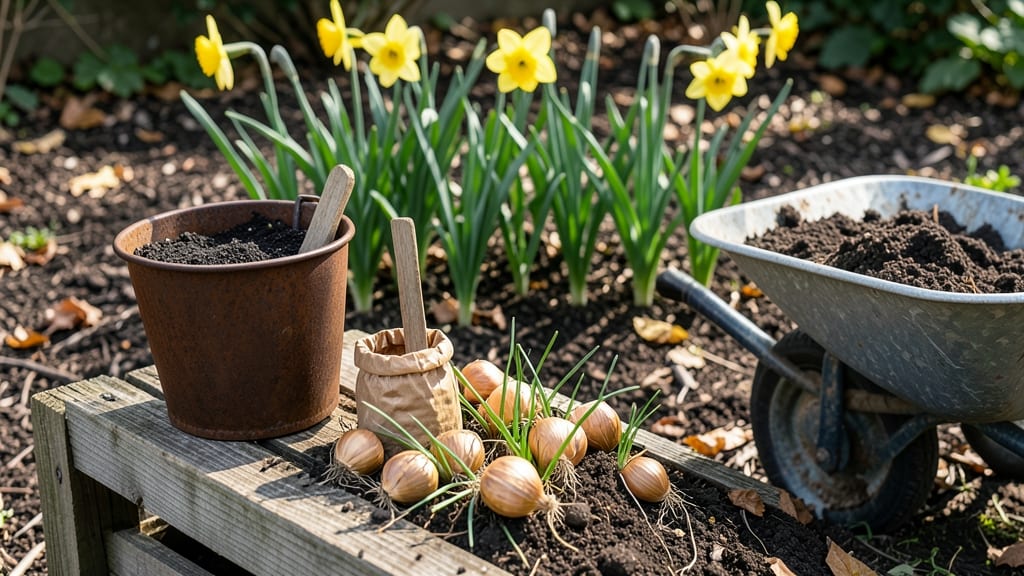
Planting daffodil bulbs in Seattle at the wrong time can mean soggy, rotting flowers before they even bloom—so timing is everything. The city’s unique mix of coastal dampness and inland dryness creates two distinct planting zones, but getting it right guarantees vibrant spring blooms that’ll make your neighbors jealous.
Most gardeners in USDA Zone 8a know fall is the magic window, but Seattle’s unpredictable weather adds a twist. Whether you’re near the water where soil stays cool longer or inland where frosts hit earlier, knowing exactly when to plant your 🌼 daffodils makes all the difference.
In this guide, I’ll break down the perfect October-November planting schedule for both Seattle’s coastal and inland areas—plus soil prep secrets to keep your bulbs happy through winter. No more guessing whether your daffodils will survive the freeze!
Let’s get your garden ready for next spring’s brightest show with foolproof timing and local expert tips you won’t find anywhere else.
Seattle’s best planting timeline for daffodil bulbs by zone (coastal vs inland)
Seattle’s coastal chill and inland warmth create two distinct planting windows for daffodil bulbs. Coastal areas (like West Seattle) often experience earlier frosts and cooler soils, while inland zones (like Bellevue) stay warmer longer.
Understanding these differences ensures your daffodils thrive without rotting in wet soil or missing their growth window.
For both zones, aim to plant 6 weeks before the first hard frost. Coastal Seattle typically sees frost by mid-November, while inland areas may delay until late November or December. This timing allows bulbs to establish strong root systems before winter dormancy.
Here’s how to adapt your planting schedule based on Seattle’s unique microclimates:
In coastal Seattle, start planting as early as late September if your soil warms quickly. Use a soil thermometer to confirm temps are above 50°F—daffodil bulbs need this warmth to begin root growth.
If your soil stays cold, wait until mid-October to avoid soggy conditions that lead to rot.
For inland areas, you have more flexibility. Planting through early December is often safe, but avoid waiting too long—bulbs need 4–6 weeks of root development before winter. If you miss this window, hold off until next fall.
Pro tip: Use mulch (like straw or shredded leaves) after planting to insulate bulbs from freeze-thaw cycles. In coastal zones, this helps prevent heaving, while inland areas benefit from moisture retention during dry spells.
After planting, water deeply once to settle soil around bulbs. Avoid overwatering—daffodils hate soggy roots. Inland gardens may need less watering, while coastal areas might require drainage improvements like raised beds or gravel layers.
Remember, late frosts can still occur in Seattle through March. Choose hardy varieties like ‘Ice Follies’ or ‘Tête-à-Tête’ for reliable blooms. These types tolerate chilly springs better than delicate hybrids.
With this timeline, your daffodils will reward you with vibrant spring blooms—just in time for Seattle’s famously unpredictable weather shifts. Happy planting! 🌼
Soil preparation secrets for Seattle’s two distinct climates
Seattle’s coastal and inland climates create dramatically different soil conditions for daffodil bulbs. Coastal areas near Puget Sound often have acidic, sandy soil that drains too quickly, while inland zones feature loamy, well-drained soils with higher organic content.
Both extremes demand tailored prep to prevent bulb rot during Seattle’s famously wet winters.
For coastal gardens, the biggest challenge is poor water retention and low fertility. Sandy soils warm up faster in fall but lack nutrients daffodils need to establish roots before winter.
Inland areas, meanwhile, risk waterlogging if not amended properly, especially in low-lying spots where winter rains pool. The key to success? Test your soil first and adjust based on your microclimate.
🌱 Coastal Soil Prep vs Inland Soil Prep
- Pros: Warms faster, drains excess water
- Cons: Lacks nutrients, holds moisture poorly
- Pros: Richer organic matter, better water retention
- Cons: Risks compaction, may waterlog in winter
- Add compost (3-4 inches)
- Mix in peat moss for moisture
- Use slow-release fertilizer (5-10-10)
- Skip amendments—sandy soil needs bulk
- Over-fertilize with nitrogen
- Plant in low spots without drainage
Start by testing your soil’s pH—daffodils thrive in neutral to slightly acidic soil (6.0-7.0). Coastal soils often test lower (5.0-5.5), while inland areas may skew alkaline (7.5+). Adjust with lime (to raise pH) or sulfur (to lower it) 2-3 weeks before planting.
For coastal gardens, I recommend blending 50% compost, 30% peat moss, and 20% perlite to improve structure and moisture retention.
Drainage is non-negotiable in Seattle’s wet winters. If your soil feels gummy when squeezed, amend with coarse sand or gravel to create air pockets. For inland gardens, focus on adding aged compost and leaf mold to prevent compaction.
Always plant bulbs in raised beds or mounds if your yard has heavy clay—this elevates them above winter water tables.
One of my biggest mistakes was ignoring organic matter in sandy coastal soil. Last year, I planted daffodils in unamended beach sand near Bainbridge Island, and 90% of bulbs rotted by spring. The lesson?
Always work in 3-4 inches of compost and a thin layer of mulch (straw or shredded bark) to insulate roots. This mimics the natural forest floor conditions daffodils evolved to love.
For both climates, plant bulbs 6-8 inches deep—deeper in sandy soil to anchor them, shallower in loam to encourage early sprouting. Water thoroughly after planting, then let nature take over. Seattle’s cool, wet winters provide perfect dormancy conditions, but soggy soil will kill bulbs faster than frost.
With the right prep, your daffodils will reward you with bold spring blooms year after year. 🌼