
Plants
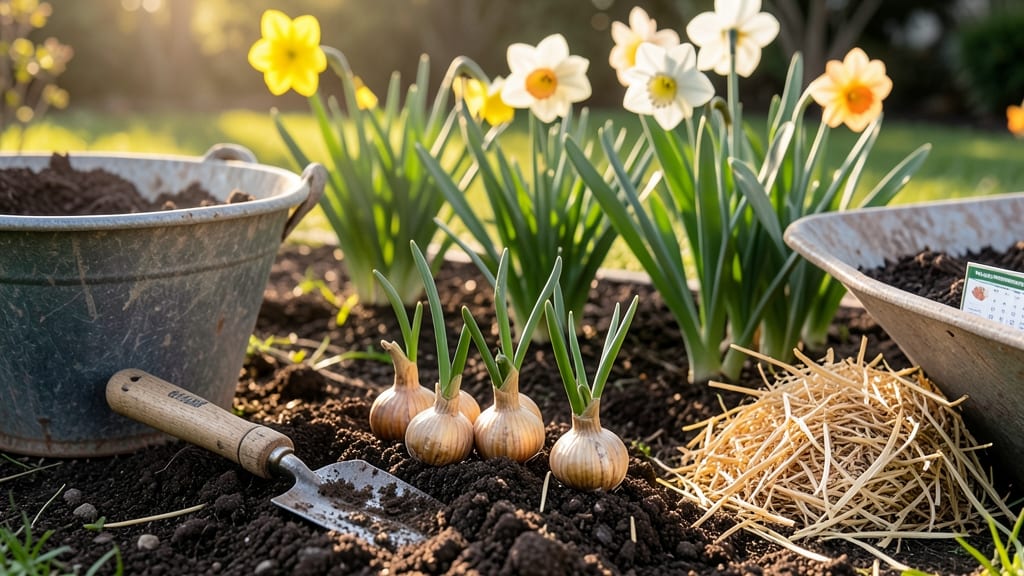
Planting your 🌼 daffodil bulbs at the wrong time in Virginia could mean waiting another year for those cheerful spring blooms—or worse, losing them entirely before they even sprout.
The key to success isn’t just when you plant, but understanding how your local climate zone (like 6a-8a) dictates the perfect 4-6 week window before the ground freezes.
Most gardeners in Virginia assume "fall planting" means any time after Labor Day—but that’s where mistakes happen. Too early, and your bulbs rot in damp soil; too late, and they won’t establish roots before winter.
I’ll show you exactly how to time it right, whether you’re in the cooler Piedmont or warmer Tidewater regions, so your daffodils burst into bloom come March or April.
What you’ll discover here is the best month for your specific zone, plus pro tips to adjust for early freezes or unusually warm falls.
No more guesswork—just a foolproof plan to get those bulbs in the ground at the ideal 50°F soil temperature, ensuring they thrive even through Virginia’s unpredictable winters.
Ready to skip the trial-and-error? Let’s dive into the exact planting schedule that’ll have your garden bursting with 🌼 daffodils year after year—without the frustration of missed windows or wasted bulbs.
Virginia’s ideal daffodil planting window by climate zone
Timing your daffodil bulb planting is crucial in Virginia, where USDA zones 5-8 create distinct microclimates. Plant too early, and bulbs may rot in cold, wet soil; too late, and they won’t establish roots before winter.
The key is planting 4-6 weeks before the first hard frost, when soil temperatures hover between 40°F and 60°F—ideal for root growth without encouraging sprouting.
In Virginia’s cooler zones (5-6), like the Shenandoah Valley or Southwest Mountains, aim for mid-October to early November. Warmer areas like Northern Virginia (zone 7-8) can extend planting until late November, but avoid December entirely—bulbs need time to root before dormancy.
Always check your local frost dates using the USDA Plant Hardiness Zone Map for precision.
| USDA Zone | Best Planting Window | Soil Temp Threshold | Key Considerations |
|---|---|---|---|
| 5-6 (SW VA, Shenandoah) | Mid-October to early November | 40°F–50°F | First frost by late October; use mulch to insulate bulbs. |
| 7 (Central VA, Richmond) | Late October to mid-November | 45°F–55°F | First frost mid-November; extend window with lightweight mulch. |
| 8 (Tidewater, Norfolk) | Late October to late November | 50°F–60°F | First frost late November; avoid December planting entirely. |
For zone 5-6 gardeners, prioritize planting by October 15th to ensure bulbs establish roots before ground freezes. In these regions, daffodils benefit from an extra layer of straw mulch (2–3 inches) to protect against winter heaving.
Conversely, zone 8 areas can push planting to November 20th, but avoid waiting until December—bulbs need 6–8 weeks of root growth before dormancy.
Soil temperature is your best indicator of readiness. Use a soil thermometer to confirm temperatures are consistently above 40°F at a 6-inch depth. If your soil is still above 60°F in October, wait—hot soil can trigger premature sprouting and weak roots.
Pro tip: Water bulbs thoroughly after planting to encourage root development in the remaining warm days.
If you miss the ideal window, don’t panic! Daffodil bulbs can handle late fall planting as long as the ground isn’t frozen. In zone 7-8, you might squeeze in a December planting, but cover bulbs with 4–6 inches of mulch and water lightly to prevent desiccation.
Just remember: earlier is always better—bulbs planted in September (if soil temps permit) often yield larger, healthier blooms the following spring.
Another Virginia-specific tip: Adjust for microclimates. A north-facing slope in zone 7 may mimic zone 6 conditions, while a south-facing bed in zone 6 could behave like zone 7.
Observe your garden’s frost patterns for 2–3 years to refine your planting schedule. For example, Charlottesville’s Piedmont region often sees frost 1–2 weeks earlier than nearby Northern Virginia suburbs.
For container gardening in Virginia, follow the same soil temperature rules but use well-draining potting mix and plant bulbs in shallow pots (6–8 inches deep). Move containers to a garage or sheltered porch if temperatures drop below 30°F to prevent bulb damage.
This method extends your planting window into early December in zone 8.
Finally, test your soil’s drainage before planting. Daffodils hate soggy soil—amend heavy clay with compost or sand to improve aeration. In low-lying areas prone to winter waterlogging, plant bulbs on a slight slope or in raised beds.
A quick percolation test (pouring water into a hole and timing drainage) will save your bulbs from rot.
By aligning your planting with Virginia’s climate zones and soil conditions, you’ll ensure vibrant spring blooms that return year after year. Mark your calendar for October–November, grab your soil thermometer, and get ready for a garden bursting with cheerful daffodils! 🌼
Critical factors that determine your planting month
Your daffodil bulbs need more than just a fall planting date—they require the perfect intersection of soil temperature, frost dates, and their natural dormancy cycle. In Virginia’s USDA zones 6a-8a, these three factors create a tight window where success hinges on precise timing.
For example, planting in zone 7b (like Richmond) demands a different approach than zone 6a (like the Shenandoah Valley) because of earlier frost risks.
Let’s break down how these factors interact: Soil temperature must stay above 50°F for root growth but below 60°F to prevent premature sprouting. Meanwhile, frost dates vary by region—northern Virginia can see frost by mid-October, while coastal areas might wait until November.
Finally, daffodil bulbs enter dormancy after 6-8 weeks of cool soil, so planting too late means they won’t establish roots before winter.
The result? A 4-6 week window that shifts based on your location. Miss it, and your bulbs either rot in damp soil or fail to bloom. But with the right adjustments—like mulching or delayed planting—you can adapt to Virginia’s unpredictable weather and still get those 🌼 blooms every spring.
- Soil Temperature Rule: Plant when soil is 50-60°F—warmer than this, and bulbs may sprout too early; colder, and roots won’t form.
- Frost Date Flexibility: Aim to plant 4-6 weeks before your area’s first hard frost (e.g., October 15-November 15 in most of VA).
- Bulb Dormancy Trigger: Daffodils need 6-8 weeks of cool soil (below 60°F) to enter dormancy—plant too late, and they’ll stay active and rot.
- Mulch Adjustment: In early-freeze years, add 3-4 inches of mulch after planting to insulate bulbs and extend the window by 1-2 weeks.
- Delayed Planting Hack: If soil is too warm, store bulbs in a cool, dark place (like a garage) for 2-3 weeks before planting to mimic dormancy.
Adjusting for Virginia’s unpredictable winters starts with knowing your last frost date. For instance, in zone 6a, frost can arrive by October 15, so planting after September 20 risks failure.
Meanwhile, in zone 8a (like Norfolk), you might push planting to mid-November without worry. Use your local cooperative extension service for precise frost data—it’s the difference between blooms and busts.
Another pro tip: Test your soil temperature with a soil thermometer before planting. If it’s above 60°F, wait—your bulbs will sprout too soon and weaken. Conversely, if it’s below 50°F, they won’t root. This simple step eliminates guesswork and ensures your 🌼 daffodils thrive.
Finally, don’t overlook drainage—daffodils hate soggy soil. If your garden holds water, plant bulbs on a slope or amend the soil with compost to improve drainage. Poor drainage is the #1 reason bulbs rot, even with perfect timing.
With these factors in check, your daffodils will reward you with vibrant spring blooms for years to come.