
Plants
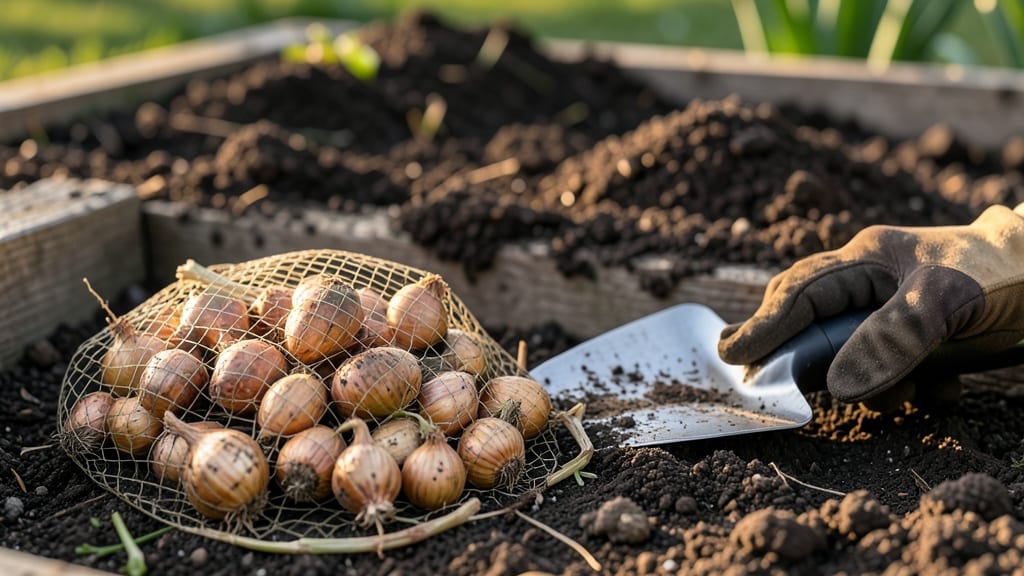
Planting daffodils in North Carolina at the wrong time can leave you waiting years for those cheerful blooms—unless you follow the chill-hour rule. The key to perfect timing lies in your region's unique frost dates and soil conditions, which vary dramatically from the mountains to the coast.
Most gardeners in NC's 6b-8a zones should aim to plant 🌼 daffodils between October and November, giving bulbs time to establish roots before winter.
But here's the catch: if you're in the cooler mountain regions, you might need to plant as early as September to meet those critical chill-hour requirements.
Don't worry if you missed fall planting—early spring (February-March) works too, though your blooms may arrive slightly later. The secret isn't just about months, but understanding how your local climate affects bulb dormancy and growth patterns.
I'll walk you through exactly how to calculate your perfect planting window using NC's chill-hour chart, plus soil prep tips that make all the difference. Let's get those daffodils blooming on schedule!
NC chill-hour chart: best planting months by region
North Carolina’s diverse climate—from the mild coastal plains to the cool mountain valleys—creates unique challenges for planting daffodil bulbs. These perennials rely on chill-hours (hours below 45°F) to bloom reliably.
Plant too early, and bulbs may rot; too late, and they won’t get enough cold exposure. The solution? Match your USDA zone and chill-hour needs to NC’s three distinct regions.
Most daffodils thrive with 15-30 chill-hours, but varieties like Ice Follies (0-15 hours) or Minnow (30+ hours) demand specific timing. Below, see how to align your planting with NC’s Coastal, Piedmont, and Mountain zones for foolproof spring blooms.
⚠️ Critical Tip: Always plant 6 weeks before first frost (NC’s average: November 15, but earlier in the mountains). Use a soil thermometer—bulbs need 60°F soil to root before winter.
For Coastal NC gardeners, November–December is your sweet spot—plant 0-15 chill-hour varieties like Ice Follies to avoid winter rot. The Piedmont’s cooler nights (15-30 hours) let you plant October–November, while mountain zones (30+ hours) benefit from September–October planting to maximize cold exposure.
Pro tip: Use NC State Extension’s chill-hour calculator (link in resources) to verify your exact hours. For example, Asheville (Zone 7a) averages 28 chill-hours, while Wilmington (Zone 8b) sees only 12 hours—a huge difference for bulb selection!
What if you miss the fall window? Early spring planting (February–March) works for Coastal and Piedmont zones, but mountain gardeners should wait until March–April to avoid spring heat stress. Just ensure soil temps stay below 70°F for 4–6 weeks post-planting.
Layering bulbs is another trick for NC’s unpredictable winters. Plant early-blooming varieties (like February Gold) in October and late-bloomers (like Peeping Tom) in November to stretch your bloom season. This works especially well in Piedmont and Mountain zones where chill-hours vary by microclimate.
🌼 Remember: Daffodils planted in heavy clay soils (common in Piedmont) need sandy loam amendments to prevent rot. In sandy Coastal soils, add compost to retain moisture. Both extremes can throw off your chill-hour calculations—soil prep matters as much as timing!
Track your local chill-hours with a home weather station or apps like PlantNet. For example, Charlotte (Zone 7b) might hit 22 chill-hours by November 15, while Greenville (Zone 8a) may only reach 18 hours. Adjust your planting date accordingly to avoid failed blooms next spring.
Finally, mark your calendar for NC’s average last frost dates: January 15 in the mountains, March 15 in Piedmont, and April 1 along the coast.
Planting 6 weeks before these dates ensures bulbs establish roots before winter sets in—critical for 30+ chill-hour varieties in the Appalachians.
Step-by-step guide: planting daffodils in NC soil
North Carolina's heavy clay and sandy soils can make or break your daffodil success. Without proper prep, bulbs may rot in clay or dry out in sand, leaving you with no blooms. The key is creating a well-draining environment that mimics their natural Mediterranean habitat.
Start by testing your soil's pH level—daffodils thrive in neutral to slightly acidic soil (6.0-7.0). If your clay soil tests too alkaline, mix in sulfur or pine needles to adjust. For sandy soils, incorporate compost or aged manure to improve moisture retention.
Now let's get to the actionable steps for planting:
Full sun (6+ hours daily) is ideal, but partial shade works in hot NC summers. Avoid low spots where water pools—daffodils hate soggy roots.
For clay soil: Dig a 12-inch hole and mix in 2 inches of compost + 1 inch of coarse sand. For sandy soil, add 3 inches of compost and a 1-inch layer of peat moss.
Place bulbs 6 inches deep (2x bulb height) with pointy end up. Space them 4-6 inches apart—closer spacing works for dwarf varieties.
Give bulbs a deep watering right after planting. In NC's dry springs, add mulch (2-3 inches of straw) to retain moisture without suffocating roots.
NC's deer population loves daffodil greens! Use deer repellent sprays or plant bulbs near smelly companions like garlic or alliums.
Water weekly until leaves emerge, then reduce to bi-weekly. Avoid fertilizing until spring growth appears—too much nitrogen causes weak stems.
One common NC-specific issue is wet springs that cause bulb rot. If your area gets heavy rainfall, consider planting in raised beds with extra sand mixed in. For clay soils, add gypsum (not lime!) to improve drainage over time.
Remember: Patience is key—daffodils may take 2-3 years to reach full bloom in NC's climate. But with proper soil prep and spacing, you'll enjoy those cheerful 🌼 blooms for decades! 🌱