
Plants
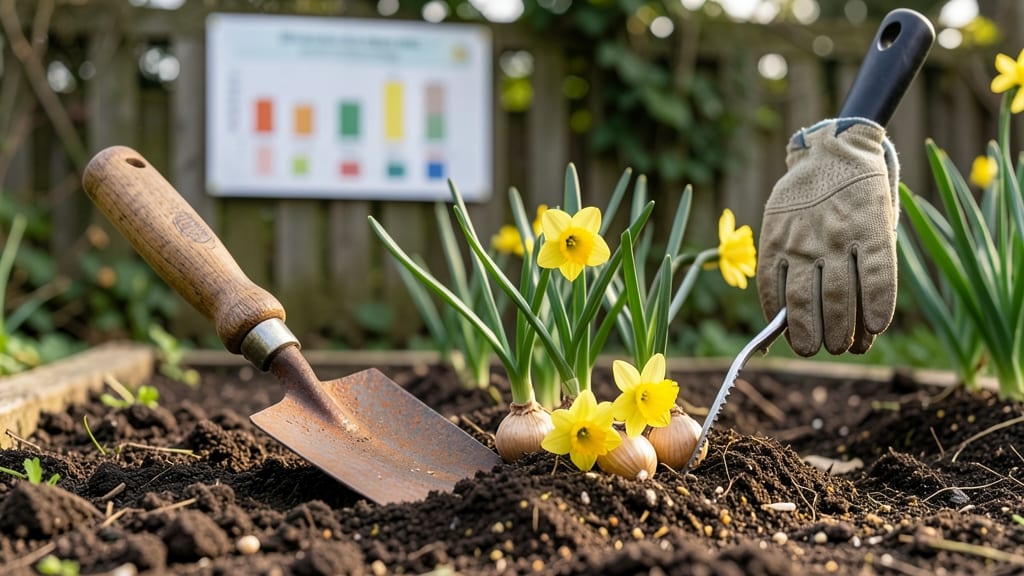
Planting daffodils in Ohio isn’t just about grabbing bulbs and sticking them in the ground—it’s about timing them perfectly to beat the frost and guarantee those cheerful 🌼 blooms next spring.
With Ohio’s USDA Zone 6a and unpredictable frost dates, getting the window right means the difference between a thriving garden and wasted effort.
Most gardeners know fall is the key, but when exactly? The ideal window stretches from September to November, a period that balances soil warmth and frost protection. Too early, and bulbs may rot; too late, and they won’t establish roots before winter.
I’ll break down how to use Ohio’s frost dates and microclimates to pinpoint the best time for your county.
Whether you’re a first-timer or a seasoned gardener, this guide cuts through the guesswork. You’ll learn how to prep your soil, choose the right bulb size, and even adjust for late planting—because sometimes life (or weather) throws a curveball. Let’s get those daffodils in the ground the right way.
Ready to transform your Ohio garden into a springtime showstopper? The clock is ticking—literally. Grab your gloves, and let’s dive into the exact steps to plant daffodils for maximum impact.
Ohio daffodil planting timeline by USDA Zone (with frost-date calculator)
Ohio’s USDA zones 4-7 create a 6-week window for planting daffodil bulbs—typically from late September to mid-November. But your exact timing depends on when your first hard frost hits.
For example, Ashtabula County (Zone 5b) has an average first frost on October 15th, while Hamilton County (Zone 6a) waits until November 1st. Planting too early risks bulb rot, while waiting too long means bulbs won’t root before winter.
To find your local frost dates, use the USDA Plant Hardiness Zone Map and check your county’s historical averages. For instance, Franklin County (Zone 6a) should aim for mid-October planting, while Trumbull County (Zone 6b) can extend to early November.
Microclimates—like urban heat islands or protected valleys—can shift your window by 1-2 weeks.
Early varieties like ‘Tête-à-Tête’ (dwarf) or ‘Ice Follies’ (white) can handle slightly later planting, while taller varieties like ‘Thalia’ or ‘Carlton’ need the extra time to establish roots. If you’re unsure, plant in October—it’s the safest bet for most of Ohio.
| USDA Zone | County Examples | Ideal Planting Window | First Frost Avg. | Notes |
|---|---|---|---|---|
| Zone 4 (North) | Ashtabula, Trumbull, Mahoning | Late Sept–Oct 15 | Oct 10–15 | Prioritize early varieties; mulch heavily. |
| Zone 5 (Northeast/Central) | Geauga, Lorain, Medina | Mid-Sept–Oct 30 | Oct 15–20 | Standard varieties thrive; avoid late Nov. |
| Zone 6 (South/Central) | Franklin, Hamilton, Clermont | Late Sept–Nov 15 | Nov 1–10 | Extend to Nov for taller varieties; soil stays workable. |
| Zone 7 (Southeast) | Lawrence, Scioto, Adams | Oct–Dec 1 (mild winters) | Nov 15–Dec 5 | Can plant later; monitor soil temps (below 50°F risks rot). |
For microclimates, adjust your window by observing local conditions. A south-facing slope in Zone 5 might stay workable until November 1st, while a low-lying area could freeze earlier.
Test soil readiness with a soil thermometer—ideal temps for planting are 50–60°F. If your soil is below 40°F, wait or use straw mulch to insulate bulbs.
If you’re planting in containers, follow the same rules but use well-draining potting mix. Containers freeze faster, so move pots to a protected location (like a garage) if frost is forecasted within 2 weeks.
For large-scale planting, like in public parks, divide tasks by zone—start in northern Ohio in September and finish in southern Ohio by mid-November.
Pro tip: Label your bulbs by variety and planting date. This helps track which early bloomers (like ‘February Gold’) vs. late bloomers (like ‘Gladiator’) perform best in your zone. Over time, you’ll refine your local planting calendar based on your garden’s unique conditions.
Remember, daffodils are hardy perennials—they’ll return year after year if planted correctly. The key is giving them 6 weeks of root growth before winter. Use this timeline as your guide, but don’t stress if you’re a week early or late.
Even Ohio’s most experienced gardeners adjust yearly based on weather patterns.
For real
5 Critical factors that determine Ohio daffodil planting success (beyond the calendar)
Ohio’s unpredictable fall weather makes daffodil planting tricky—even if you know the ideal months (September–November), soil conditions and bulb quality can make or break your success. I’ve learned from years of trials that soil temperature and moisture balance matter just as much as the calendar.
For example, planting in soggy soil can rot bulbs, while dry soil prevents root establishment.
One common mistake I see is assuming all Ohio soil is ready by mid-October. In USDA Zone 4 (northwest Ohio), ground freezes by late October, but in Zone 6a (central Ohio), you’ve got until early November.
The key? Test soil readiness with a simple temperature check—bulbs need 40–50°F soil for root growth but won’t survive if planted when soil is still above 60°F.
Here’s what I’ve found works best in my Ohio garden—and what to avoid:
- ✅ Soil temp: 40–50°F (use a soil thermometer)
- ✅ Bulb depth: 6–8 inches deep (twice bulb height)
- ✅ Moisture: Well-draining, not soggy (amend clay soil with compost)
- ✅ Bulb size: 12+ inches in circumference for best blooms
- ✅ Spacing: 4–6 inches apart (prevents crowding)
Let’s break down the 5 critical factors that often get overlooked. First, bulb depth is non-negotiable—planting too shallow (less than 6 inches) exposes bulbs to frost heave, while burying them too deep (over 8 inches) delays blooming.
I’ve seen dwarf varieties like ‘Tête-à-Tête’ thrive with just 4 inches of cover, but standard types need that full 6–8 inches.
Moisture is another game-changer. Ohio’s heavy clay soil holds too much water in fall, which can drown bulbs. Before planting, I always amend soil with 2–3 inches of compost to improve drainage.
A quick test: Dig a 6-inch hole and fill it with water—if it drains in 1 hour, it’s safe; if it pools, add sand or perlite.
Don’t skip bulb quality checks either. I’ve bought “premium” bulbs only to find they’re soft or shriveled—a sure sign of poor storage. Look for firm, dry bulbs with no mold or sprouts.
Pro tip: Soak bulbs in a fungicide solution (1 tsp copper fungicide per gallon of water) for 30 minutes before planting to prevent rot in wet Ohio soil.
Finally, timing isn’t just about the month—it’s about the weather forecast. If a warm spell hits after planting, bulbs may sprout too early and get fried by frost.
I always plant 2–3 weeks before the first hard frost date in my area (check the NOAA frost calendar for your county). For extra protection, mulch with 2–3 inches of straw after planting to insulate bulbs.
Remember: Ohio’s microclimates matter. A south-facing slope warms up faster than a north-facing yard, so adjust your planting window accordingly. With these factors nailed down, your daffodils will survive Ohio winters and reward you with bold spring blooms year after year. 🌼