
Plants
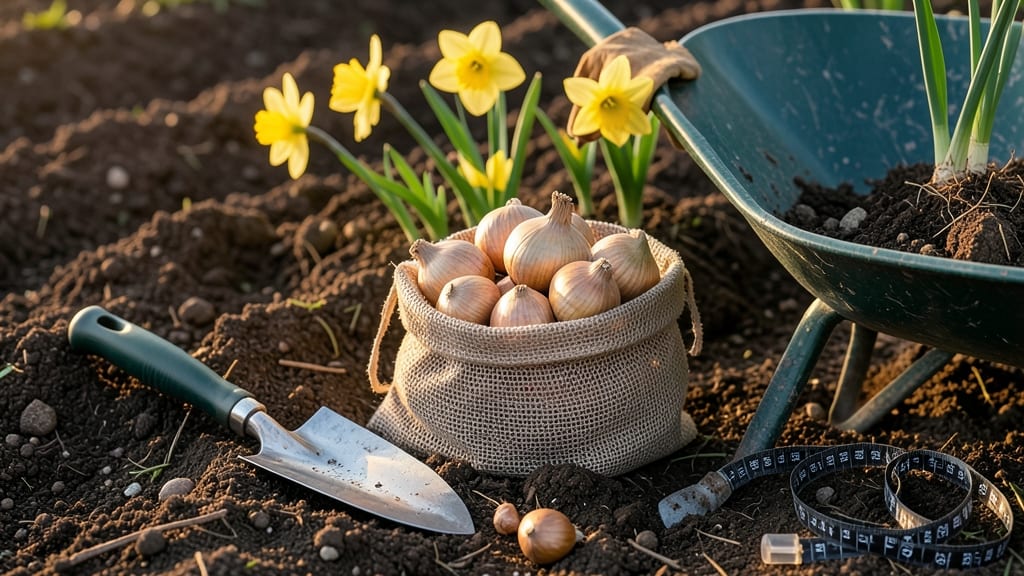
Planting daffodils in Tennessee at the wrong time can mean waiting years for those cheerful 🌼 blooms—or worse, losing them to frost before they even emerge.
The key isn’t just the calendar date, but understanding your specific zone, whether you’re in Nashville’s 6a or Knoxville’s 6b, where late frosts can still sneak in.
Most gardeners know fall is the time to plant, but in Tennessee, that window narrows to just October through November—specifically, 6-8 weeks before your first hard frost. Skip this timing, and you risk weak roots or bulbs that rot before winter.
I’ll show you exactly how to pinpoint your zone’s sweet spot, including when to adjust for Tennessee’s notorious microclimates that can make a few miles’ difference.
What you’ll discover here are the zone-specific dates that work for Tennessee, plus soil prep tricks to give your daffodils the best shot at surviving our unpredictable winters.
No more guessing games—just a clear plan to get those bulbs in the ground at the perfect moment for zero frost damage and maximum spring color.
Ready to avoid the common mistakes that leave Tennessee gardens daffodil-free? Let’s dive into the exact steps—from soil temperature checks to frost date tracking—that’ll have your yard bursting with 🌼 blooms by March.
Tennessee daffodil planting calendar by hardiness Zone (5a-7b)
Timing your daffodil planting in Tennessee is all about beating the first frost while giving bulbs time to root. The ideal window spans from mid-October to early November, but your exact dates depend on your USDA hardiness zone—whether you're in Nashville's Zone 6a or Chattanooga's milder Zone 7a.
Planting too early risks rot, while waiting too long means weak root growth before winter.
For Tennessee gardeners, I recommend checking your local first frost date (typically mid-October to early November) and planting 6-8 weeks before that date. This ensures bulbs establish roots before the ground freezes.
In Zone 5a (eastern Tennessee highlands), aim for early October, while Zone 7b gardeners in Memphis can plant as late as early December.
Here’s your zone-specific planting calendar to maximize bloom success:
| Zone | Ideal Planting Window | Soil Temp Goal (°F) | Bulb Depth (inches) | Notes |
|---|---|---|---|---|
| 5a (e.g., Bristol) | Early October (by Oct 15) | 50–60°F | 6–8 inches | Plant earliest to avoid late frosts |
| 6a (e.g., Nashville) | Mid-October (Oct 15–31) | 50–60°F | 6–8 inches | Avoid planting after Nov 1 |
| 6b (e.g., Knoxville) | Late October (Oct 20–Nov 10) | 50–60°F | 6–8 inches | Soil stays workable longer |
| 7a (e.g., Chattanooga) | November (Nov 1–15) | 50–60°F | 6–8 inches | Can plant into early December |
| 7b (e.g., Memphis) | Late November (Nov 15–Dec 5) | 50–60°F | 6–8 inches | Milder winters allow later planting |
In Nashville (Zone 6a), I’ve found that planting by October 31 ensures bulbs root before the ground freezes—typically around November 15. Use a soil thermometer to confirm temps are between 50–60°F; cooler soils delay root growth.
For Chattanooga’s Zone 7a, you’ve got flexibility until mid-November, but avoid planting after December 1 to prevent frost damage.
If you miss the fall window, late-winter planting (February) is possible in Zone 7b, but expect smaller blooms. In colder zones like Zone 5a, wait until early October—any later risks bulbs rotting before winter.
Always plant bulbs 3x deeper than their height (typically 6–8 inches) for frost protection.
Pro tip: Prep your soil in September by amending with compost and ensuring well-draining soil. Daffodils hate soggy roots, so raise beds in heavy clay areas. After planting, mulch with 2–3 inches of straw to insulate bulbs through winter.
In Knoxville (Zone 6b), I’ve seen daffodils bloom 2–3 weeks earlier when planted in sheltered microclimates, like near south-facing walls.
For late-winter adjustments, monitor spring frost forecasts in March. If a hard freeze is predicted, cover plants with frost cloth until temps rise. In Zone 7a, Chattanooga’s daffodils often bloom by mid-March, while Zone 6a Nashville gardeners may see blooms 1–2 weeks later.
Adjust your planting depth slightly shallower (5–6 inches) in warmer microclimates to encourage earlier blooms.
Remember: Daffodil bulbs need 6–8 weeks of cool soil to root before winter. If your first frost arrives early (like in Zone 5a), prioritize planting early October over waiting for "perfect" conditions. Use these dates as a guide, but always check your local frost calendar for real-time adjustments.
🌼
5 Critical signs your Tennessee daffodils are ready to plant (and when to wait)
Planting daffodils in Tennessee requires precision—get it wrong, and you risk bulbs rotting in warm soil or freezing before roots establish. The key is reading your local microclimate and bulb condition.
In Nashville’s Zone 6a, for example, waiting too late can mean bulbs sprout before winter sets in, while Chattanooga’s Zone 7a offers a slightly longer window. I’ve learned to watch for these 5 critical signs to nail the perfect timing every year.
First, check your soil temperature—daffodils thrive when the ground cools to 50-60°F. Use a soil thermometer or dig down 4-6 inches; if it’s still above 60°F, wait. In Tennessee’s valleys, this can happen 2-3 weeks later than ridge areas due to cooler air settling.
I test mine weekly in October to avoid planting too early when soil warmth can trigger premature sprouting.
Your local frost forecast is non-negotiable. I cross-reference the National Weather Service with the Tennessee State University Extension frost dates—especially for late October. In Zone 6a (Nashville), aim for mid-October, while Zone 7a (Chattanooga) can wait until early November.
Pro tip: Set a calendar reminder for the average first frost date in your area, then plant 6 weeks prior.
Next, inspect your daffodil bulbs for readiness. Healthy bulbs should feel firm and dry, with no signs of mold or soft spots. I sort mine by size—larger bulbs (>2") get planted first as they establish roots more slowly.
If bulbs feel squishy or smell musty, they’ve been stored too long and should be discarded. Fresh bulbs from reputable nurseries (like Barefoot Containers) are your best bet for Tennessee’s climate.
Don’t overlook microclimate adjustments. A valley garden in East Tennessee (e.g., Great Smoky Mountains area) may need bulbs planted 2 weeks earlier than a ridge in Middle Tennessee.
I’ve seen daffodils bloom in April in sheltered valleys while ridge plantings wait until May. Use a minimum-maximum thermometer in your garden for a week to gauge your specific conditions.
Finally, trust your gut check. If your soil feels warm to the touch when you dig a small hole, wait. If morning frost is already forming on grass, it’s time to plant.
Tennessee’s unpredictable fall weather means flexibility is key—I’ve planted as late as early November in mild years and still gotten blooms. The secret? Mulch heavily (3-4 inches) after planting to insulate bulbs from temperature swings.